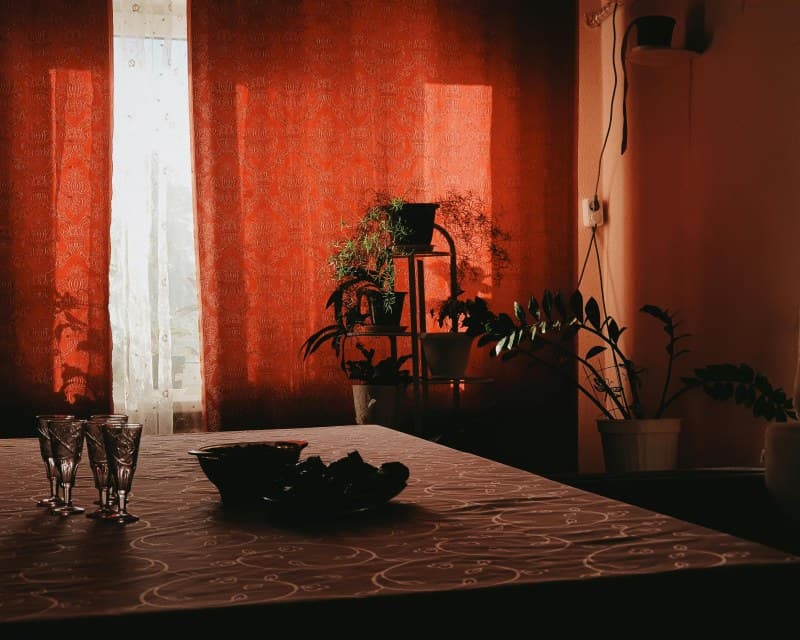
My friend Sarah lives in a cozy basement apartment with only a north-facing window. She tried growing a fiddle leaf fig—everyone’s favorite Instagram plant—hoping it would liven up her space. But after a month, the leaves turned yellow and droopy. She thought she had a black thumb until she discovered low-light plants like snake plants and ZZ plants. Turns out, her mistake wasn’t lack of skill—it was believing common myths about low-light plant care.
7 Myths About Low-Light Indoor Plants (Debunked)
Let’s break down the most persistent myths that hold people back from growing plants in dim spaces:
- Myth 1: All plants need direct sunlight. Truth: Many plants (like snake plants and pothos) evolved to grow under tree canopies, so they thrive in indirect or low light.
- Myth 2: Low-light plants don’t need water. Truth: They need less water than sun-loving plants, but letting the soil dry out completely for too long will kill them.
- Myth 3: Low-light plants grow fast. Truth: They grow slower—overfertilizing to speed growth will burn their roots.
- Myth 4: North-facing windows are useless. Truth: They provide soft, consistent indirect light—perfect for plants like peace lilies.
- Myth 5: You can’t propagate low-light plants. Truth: Pothos and ZZ plants root easily in water even in low light.
- Myth 6: Low-light plants are all boring. Truth: Peace lilies produce beautiful white blooms in low light!
- Myth 7: Low-light plants don’t purify air. Truth: Snake plants and ZZ plants are top air purifiers, removing toxins like formaldehyde.
Top Low-Light Plants: Quick Comparison
If you’re new to low-light gardening, here’s a breakdown of four easy-to-care-for options:
| Plant Name | Light Requirement | Water Frequency | Pet Safe? |
|---|---|---|---|
| Snake Plant | Low to medium indirect light | Every 2-6 weeks (let soil dry) | No (toxic to cats/dogs) |
| ZZ Plant | Low to bright indirect light | Every 3-4 weeks (dry soil) | No (toxic) |
| Pothos | Low to bright indirect light | Every 1-2 weeks (moist soil) | No (toxic) |
| Peace Lily | Low to medium indirect light | Every 1-2 weeks (keep soil moist) | Yes (safe for pets) |
Practical Tips for Thriving Low-Light Plants
Once you’ve picked the right plant, follow these tips to keep it healthy:
- Rotate your plant every 2-4 weeks to ensure even growth (since light comes from one direction).
- Use a well-draining potting mix (like cactus mix with perlite) to prevent root rot.
- Avoid overfertilizing—use a diluted liquid fertilizer once every 2-3 months in spring and summer.
- Wipe leaves with a damp cloth to remove dust (dust blocks light absorption).
FAQ: Common Low-Light Plant Questions
Q: Can I place my low-light plant in a room with no windows?
A: Yes! You’ll need artificial light—full-spectrum LED grow lights work best. Place the light 6-12 inches above the plant and leave it on for 12-14 hours daily. This mimics natural sunlight without overheating the plant.
“Nature does not hurry, yet everything is accomplished.” — Lao Tzu
This quote perfectly sums up low-light plant care. These plants grow slower than their sun-loving cousins, but with patience and the right care, they’ll add life and freshness to your dim spaces. Sarah now has a snake plant and a peace lily in her basement apartment—both thriving—and she’s no longer afraid to call herself a plant parent.