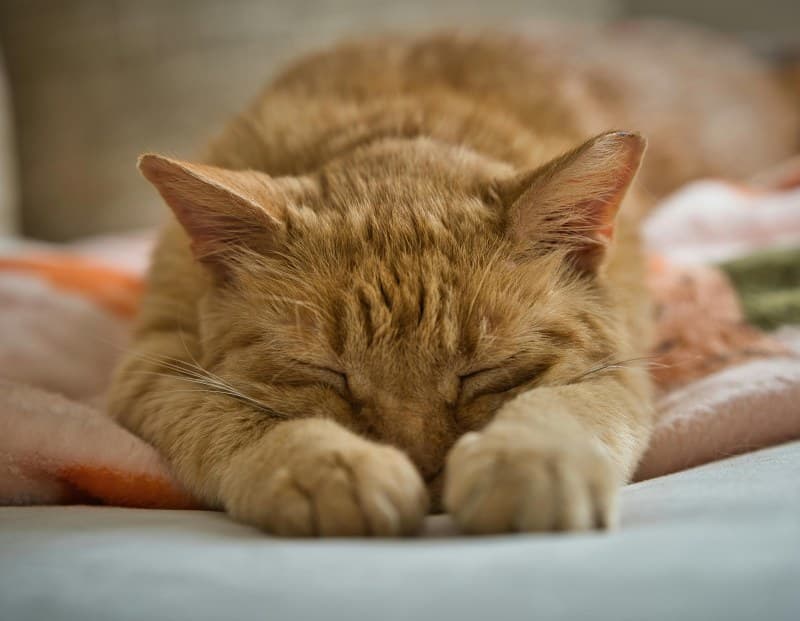
Why Napping Is More Than Just a Midday Slump Fix
We’ve all been there: 2 PM rolls around, your eyes feel heavy, and your focus starts to slip. You reach for a third coffee, but what if a nap was the better choice? Napping isn’t just for lazy afternoons—it’s a science-backed way to boost energy, creativity, and even mood. Let’s dive into 5 surprising facts about napping that might change how you approach your afternoons.
5 Surprising Things About Napping
1. Napping Boosts Creativity More Than Coffee
Studies show that a 20-minute nap can enhance creative problem-solving by up to 30%. When you nap, your brain processes information from the morning, making connections you might have missed while awake. For example, a group of designers who napped mid-project were 2x more likely to come up with innovative solutions than those who drank coffee.
2. The Best Time to Nap Depends on Your Circadian Rhythm
Most people think any time is good for a nap, but the ideal window is between 1 PM and 3 PM. This is when your body’s natural energy dips, so a nap won’t interfere with nighttime sleep. Napping later than 3 PM can throw off your sleep cycle, leading to difficulty falling asleep at night.
3. Power Naps vs. Long Naps: It’s All About Duration
A power nap (10–20 minutes) gives you a quick energy boost without grogginess. A longer nap (30–60 minutes) can help with memory consolidation but might leave you feeling sleepy afterward. A full sleep cycle nap (90 minutes) is great for recovery but takes more time.
4. Napping Can Lower Stress Hormones
Research from the University of California found that a 30-minute nap reduces cortisol levels by 37%. Cortisol is the stress hormone that contributes to anxiety and fatigue. So, a nap isn’t just a break—it’s a way to calm your body and mind.
5. Some Cultures Embrace Napping as a Daily Ritual
In Spain, the siesta is a traditional midday nap that dates back centuries. It’s not just a habit; it’s a way to beat the heat and recharge for the afternoon. In Japan, “inemuri” (napping in public) is a sign of hard work and dedication, not laziness.
Compare Different Nap Types
Not all naps are created equal. Here’s how different nap durations stack up:
| Nap Type | Duration | Benefits | Best For |
|---|---|---|---|
| Power Nap | 10–20 mins | Quick energy boost, no grogginess | Busy professionals, students |
| Recovery Nap | 30–60 mins | Memory consolidation, muscle recovery | Athletes, people who stayed up late |
| Full Cycle Nap | 90 mins | Complete rest, creativity boost | Weekends, days off |
Classic Wisdom About Napping
“A short nap in the afternoon is better than a long sleep at night.” — Chinese Proverb
This ancient saying aligns with modern science. A brief afternoon nap can refresh your body without disrupting your nighttime sleep, making it a smarter choice than sleeping in late or skipping rest altogether.
Real-Life Example: How Napping Transformed a Student’s Grades
Lila, a college student, struggled with mid-afternoon fatigue while studying for exams. She used to drink energy drinks, but they left her jittery. Then she tried a 20-minute power nap every day at 2 PM. Within a week, her focus improved, and she scored 15% higher on her next test. “It’s like my brain gets a reset,” she said. “I can study for hours without feeling tired.”
FAQ: Is Napping Bad for Nighttime Sleep?
Q: Will napping during the day make it harder to sleep at night?
A: It depends on the duration and timing. A 10–20 minute nap before 3 PM won’t interfere with nighttime sleep. However, longer naps or napping later in the day can disrupt your circadian rhythm. If you have trouble sleeping at night, stick to short, early-afternoon naps.
Tips for a Better Nap
- 🌿 Find a quiet, dark place to nap (use an eye mask if needed).
- 💡 Set an alarm to avoid oversleeping.
- ☕ Avoid caffeine 1 hour before napping (it can prevent you from falling asleep).
- 🛏️ Use a comfortable pillow and blanket to make your nap space cozy.
Final Thoughts
Napping isn’t a sign of laziness—it’s a tool to boost productivity, reduce stress, and improve your overall well-being. Whether you’re a busy professional, a student, or just someone who needs a midday pick-me-up, giving napping a try might be the best decision you make all day.