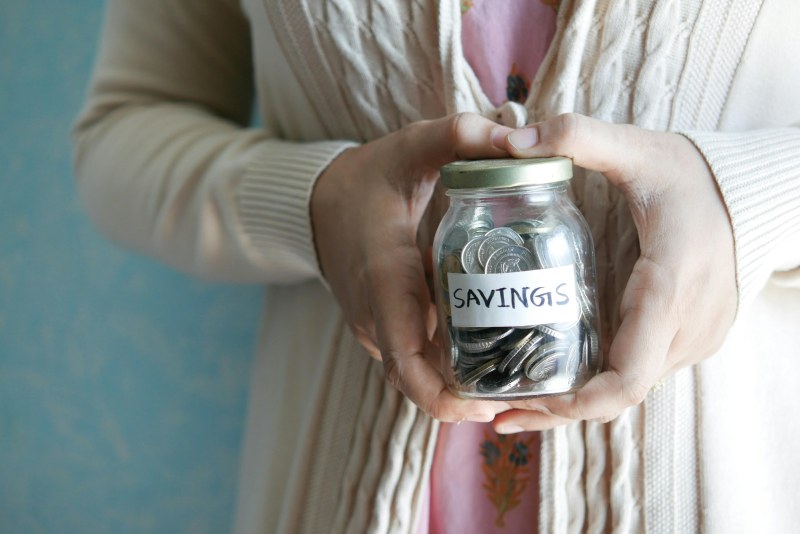
We’ve all been there: standing in a store, holding a shiny new gadget or a fancy coffee, and debating whether to buy it now or save for something bigger later. These small choices shape our finances—and they’re often driven by hidden psychological triggers.
2 Key Psychological Triggers Shaping Your Spending & Saving Habits 💰
Two main forces influence how we handle money: the urge for immediate gratification (spending) and the discipline of delayed reward (saving). Let’s break them down:
| Trigger Type | Brain Response | Daily Impact |
|---|---|---|
| Immediate Gratification | Activates the brain’s pleasure center (dopamine) when you buy something new. | Small, frequent purchases that add up over time (e.g., $5 snacks, $10 apps). |
| Delayed Reward | Uses the prefrontal cortex (decision-making) to prioritize long-term goals. | Consistent savings that build toward big goals (e.g., a vacation, emergency fund). |
Common Myths That Hold You Back
Let’s debunk two persistent myths about spending and saving:
- Myth 1: You need a high income to save. This isn’t true! Even small amounts add up. For example, saving $2/day for a year equals $730—enough for a nice weekend trip or a new laptop.
- Myth 2: Impulse spending means you’re bad with money. Impulse buys are a natural brain response to instant pleasure, not a character flaw. The key is to recognize the trigger and adjust your habits.
"Beware of little expenses; a small leak will sink a great ship." — Benjamin Franklin
Franklin’s words ring true today. A $3 candy bar here, a $4 coffee there—these "small leaks" can drain your wallet without you noticing. On the flip side, those same small amounts saved can grow into something meaningful.
A Real-Life Example: From Latte Runs to Beach Getaway 🌴
Sarah, a 28-year-old graphic designer, used to stop at a café every morning for a $5 latte. That’s $25 a week, $100 a month, and $1,200 a year. When she started making coffee at home (using $0.50 worth of beans per cup), she saved $4.50 daily. After 8 months, she had $1,080—enough to book a 3-day beach vacation with her sister. "It felt amazing to turn those small daily choices into a memory that will last forever," she said.
Practical Tips to Balance Spending & Saving
Here are three simple ways to shift from impulse spending to intentional saving:
- Wait 24 hours: For non-essential purchases, wait a day before buying. Most of the time, the urge will pass.
- Budget for fun: Allocate 5-10% of your income to "fun money"—this way, you can enjoy small treats without guilt.
- Track your spending: Use a notebook or app to log every purchase for a week. You’ll be surprised at where your money goes.
FAQ: Can I Still Enjoy Life While Saving?
Q: I’m afraid saving will mean giving up all the things I love. Is there a way to have both?
A: Yes! The secret is to plan for fun. For example, if you love going out to dinner, set aside $50 a month for that. This way, you’re not depriving yourself, and you’re still making progress toward your goals. Balance is key.
At the end of the day, managing money isn’t just about numbers—it’s about understanding your own habits and making choices that align with what matters most to you. Whether it’s a latte or a beach trip, every decision counts.