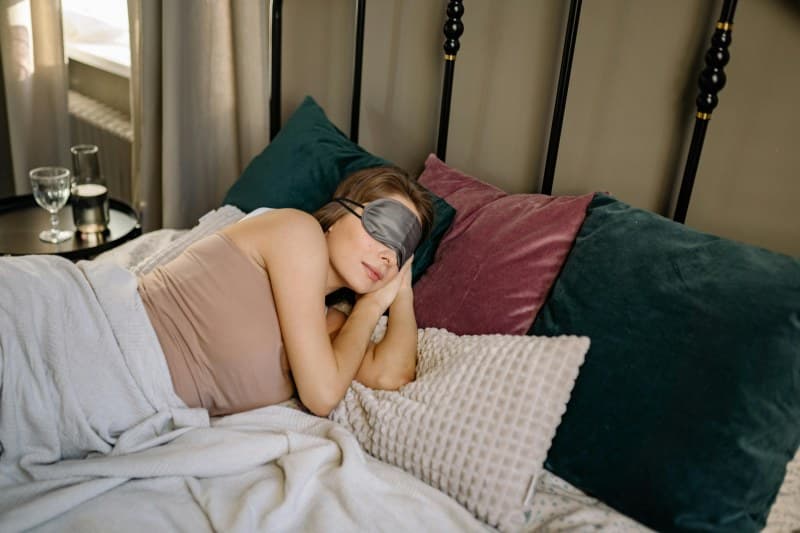
Let’s start with a relatable story: Sarah pulled three all-nighters to finish a work project. By the weekend, she had a sore throat, runny nose, and a fever. She blamed the office cold, but the real culprit was her lack of sleep. Studies show that sleep deprivation weakens your immune system, making you more prone to infections.
"Early to bed and early to rise, makes a man healthy, wealthy, and wise." — Benjamin Franklin
Franklin’s old saying isn’t just a cliché. Modern science confirms that sleep is foundational to immune health. Without enough rest, your body can’t fight off germs effectively.
6 Key Ways Sleep Influences Immunity
Here’s a breakdown of how sleep impacts your body’s defense system, plus quick tips to support each:
| Impact Area | What It Means for Immunity | Quick Tip |
|---|---|---|
| T-Cell Production | T-cells are white blood cells that attack viruses and cancer cells. Sleep deprivation reduces their number and activity. | Aim for 7-9 hours nightly to keep T-cell levels high. |
| Cytokine Release | Cytokines are proteins that fight inflammation and infection. Deep sleep triggers their release. | Create a dark, quiet bedroom to promote deep sleep stages. |
| Antibody Response | After a vaccine or infection, sleep helps your body make more antibodies for long-term protection. | Get a full night’s sleep the night before and after a vaccine. |
| Stress Hormone Reduction | Too much cortisol (stress hormone) suppresses immunity. Sleep lowers cortisol levels. | Avoid screens 1 hour before bed to reduce stress and improve sleep. |
| Mucus Membrane Repair | Mucus membranes (nose, throat) are your first defense against germs. Sleep helps them repair overnight. | Use a humidifier if your bedroom is dry to support membrane health. |
| Gut Health Support | 70% of your immune system lives in the gut. Sleep regulates gut bacteria balance. | Eat a fiber-rich snack (like an apple) before bed to feed good gut bacteria. |
3 Common Sleep-Immunity Myths Debunked 💡
Myth: Weekend sleep can fix weekday sleep debt
Fact: Sleep debt is cumulative. Even if you sleep 10 hours on Saturday and Sunday, the 2-hour deficit you built up each weekday (5 days × 2 hours = 10 hours) can’t be fully reversed. This ongoing deficit weakens your immune system over time.
Myth: Only deep sleep matters for immunity
Fact: All sleep stages play a role. REM sleep (when you dream) helps your body produce antibodies, while deep sleep boosts cytokine release. Skipping any stage disrupts your immune response.
Myth: Adults only need 6 hours of sleep
Fact: Most adults need 7-9 hours. A 2015 study in the Journal of Sleep Research found that people who slept 6 hours or less nightly were 2-3 times more likely to get sick than those who slept 7+ hours.
FAQ: Your Sleep & Immunity Questions Answered 🤔
Q: If I’m already sick, should I sleep more than usual?
A: Yes! When you’re ill, your body uses extra energy to fight off infection. Sleeping more allows your immune system to focus its resources on healing. A 2020 study found that people who slept 8+ hours when sick recovered 1-2 days faster than those who slept less.
Small changes to your sleep routine can make a big difference in your immune health. Try going to bed 15 minutes earlier tonight—your body will thank you.