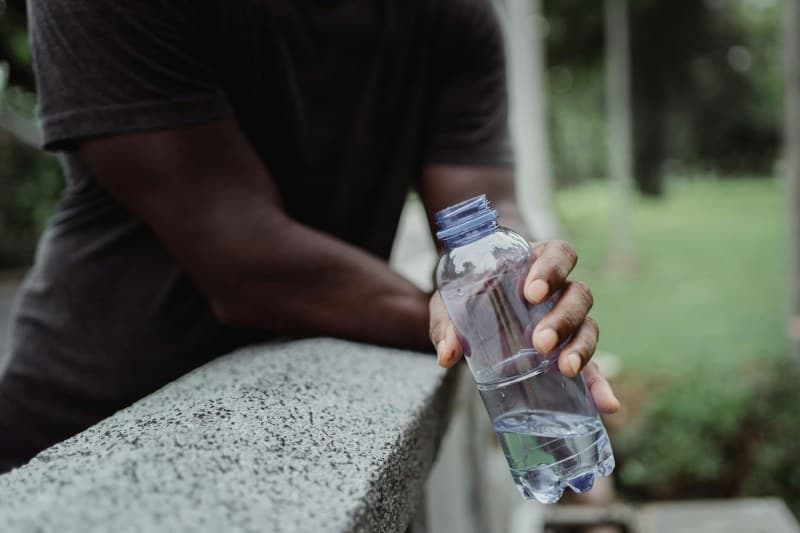
Sarah laced up her running shoes for a morning 5K, feeling energized. But by mile 2, her legs felt heavy, and she could barely catch her breath. She hadn’t drunk any water before leaving—after all, she wasn’t thirsty. Later, a trainer told her she was dehydrated, even though she didn’t feel it. That’s the thing about hydration and exercise: it’s not always obvious when you’re missing out on the water your body needs.
How Hydration Powers Your Workouts
Your body relies on water for almost every function during exercise. It helps regulate your core temperature (sweating cools you down), transports nutrients to your muscles, and lubricates your joints. Even a 2% loss of body weight from dehydration can lead to reduced strength, slower reaction times, and fatigue—like Sarah experienced.
7 Common Hydration Myths Debunked
Let’s set the record straight on some of the most persistent myths about hydration and exercise:
| Myth | Fact |
|---|---|
| You only need water when you’re thirsty. | Thirst is a late sign of dehydration. By the time you feel thirsty, you may already have lost 1-2% of your body weight in fluids. |
| Sports drinks are better than water for all workouts. | Sports drinks are useful for workouts longer than 60-90 minutes (they replace electrolytes lost in sweat). For shorter sessions, water is enough. |
| Dehydration only affects long workouts. | Even short, intense workouts (like a 30-minute HIIT session) can lead to dehydration if you’re not drinking enough. |
| Clear urine means you’re fully hydrated. | Pale yellow urine is ideal. Clear urine might mean you’re overhydrated, which can be as harmful as dehydration. |
| You can’t overhydrate during exercise. | Overhydration (hyponatremia) is rare but serious. It happens when you drink too much water without replacing electrolytes, leading to low sodium levels. |
| Drinking cold water slows you down. | Cold water actually helps cool your body faster and can improve performance in hot conditions. |
| Caffeinated drinks dehydrate you too much to use during workouts. | Moderate caffeine (like a cup of coffee before a workout) doesn’t cause significant dehydration and may even boost performance. |
Practical Tips to Stay Hydrated During Workouts
- 💧 Drink 17-20 ounces of water 2-3 hours before your workout.
- 💧 Sip 8 ounces of water 10-15 minutes before starting.
- 💧 During workouts: For sessions under 60 minutes, drink 7-10 ounces every 10-20 minutes. For longer sessions, add a sports drink.
- 💧 After workouts: Drink 16-24 ounces of water per pound lost (weigh yourself before and after to estimate).
Q&A: Common Hydration Question
Q: How do I know if I’m dehydrated during a workout?
A: Look for signs like dry mouth, fatigue, muscle cramps, dizziness, or dark yellow urine. If you notice any of these, take a break and sip water slowly. Don’t chug—this can cause stomach discomfort.
“Water is the driving force of all nature.” — Leonardo da Vinci
This quote reminds us how essential water is, not just for exercise but for every part of our lives. Staying hydrated isn’t just a “nice-to-have” for workouts—it’s a key part of performing your best and staying healthy.
Whether you’re a casual walker or a regular gym-goer, understanding hydration can make a big difference in how you feel and perform. By debunking these myths and following simple tips, you can keep your body fueled and ready to move.