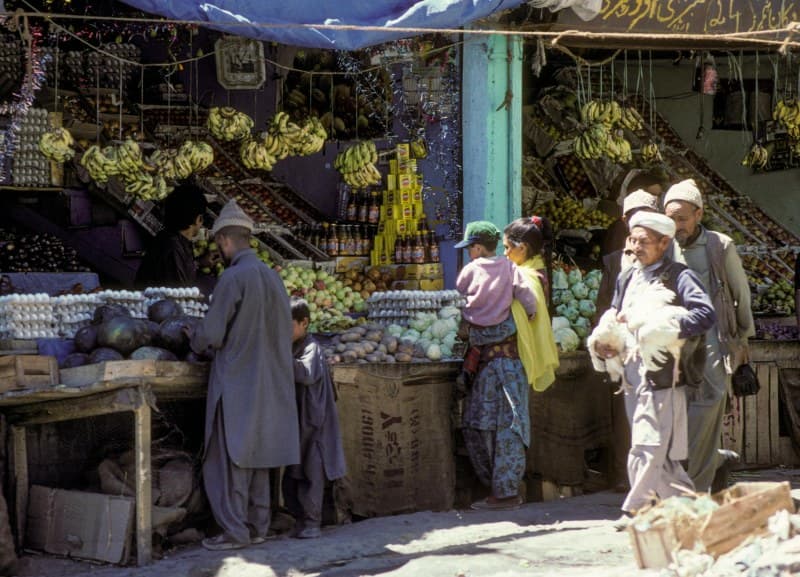
Last year, I found myself in Rome, staring at the Trevi Fountain surrounded by crowds. I’d checked all the “must-see” boxes, but something felt missing—until a barista at a tiny café near Trastevere told me about a neighborhood market hidden behind a residential street. There, I ate fresh supplì (fried rice balls) from a family stall, watched kids play soccer in a nearby square, and even picked up a few phrases in Italian. That’s when I realized: authentic culture isn’t in the postcard spots—it’s in the spaces locals actually use.
6 Ways to Uncover Local Culture in Tourist Cities
1. Chat with Local Service Workers
Baristas, taxi drivers, and shopkeepers are goldmines of local knowledge. A quick “What’s your favorite spot for lunch?” can lead you to a hole-in-the-wall trattoria or a park where locals picnic. Effort level: Low (just strike up a conversation). Budget: Cheap (buy a coffee or snack to break the ice). Pros: Free, personalized tips. Cons: Some may be too busy to chat.
2. Visit Neighborhood Markets
Skip the touristy souvenir markets—head to the ones where locals buy groceries. In Barcelona, the Mercat de Sant Antoni is a favorite among residents, with fresh produce, artisanal cheeses, and homemade empanadas. Effort level: Low (walk to a residential area). Budget: Affordable (grab a snack for a few euros). Pros: Immersive, great for people-watching. Cons: May not have English signs.
3. Take a Local-Led Walking Tour
Avoid big tour companies—look for small, independent tours run by locals. In Tokyo, I joined a tour of the Shimokitazawa neighborhood led by a local artist, who showed me hidden vintage shops and a tiny ramen shop only locals knew about. Effort level: Medium (book in advance). Budget: Moderate (15–30 euros). Pros: Deep dive into local history and culture. Cons: Requires planning.
4. Attend a Community Event
Check local calendars for farmers’ markets, street festivals, or neighborhood fairs. In Mexico City, the weekly market in Coyoacán features live music, handmade crafts, and traditional food like churros con chocolate. Effort level: Medium (research events beforehand). Budget: Cheap (most events are free or low-cost). Pros: Festive, chance to interact with locals. Cons: Events may be seasonal.
5. Eat at Family-Run Eateries
Look for places with no English menus, plastic tables, or a line of locals. In Bangkok, I found a family-run pad thai stall near Khao San Road—they didn’t speak English, but the food was the best I had on the trip. Effort level: Low (follow the locals). Budget: Affordable (5–10 euros per meal). Pros: Authentic, cheap. Cons: May be hard to order without language skills.
6. Rent a Local Apartment
Instead of a hotel, stay in an apartment in a residential neighborhood. In Paris, I rented a studio in Le Marais—waking up to the smell of croissants from a nearby bakery and shopping at the local grocery store made me feel like a local. Effort level: High (book in advance). Budget: Moderate (may cost more than a budget hotel). Pros: Fully immersive, access to local amenities. Cons: Less convenient than hotels.
Quick Comparison of the 6 Ways
Here’s a snapshot to help you choose the best option for your trip:
| Way | Effort Level | Budget | Pros | Cons |
|---|---|---|---|---|
| Chat with Service Workers | Low | Cheap | Free tips | Busy workers may not chat |
| Neighborhood Markets | Low | Affordable | Immersive | No English signs |
| Local-Led Tours | Medium | Moderate | Deep dive | Requires planning |
| Community Events | Medium | Cheap | Festive | Seasonal |
| Family-Run Eateries | Low | Affordable | Authentic food | Language barriers |
| Local Apartment | High | Moderate | Fully immersive | Less convenient |
Why Authentic Culture Matters
“The world is a book, and those who do not travel read only one page.” — St. Augustine
This quote reminds us that travel isn’t just about seeing sights—it’s about understanding the people who live there. When you engage with local culture, you’re not just a tourist; you’re a guest. You learn about their traditions, their food, and their way of life, which enriches your trip in ways no postcard ever could.
FAQ: Common Questions About Local Culture in Tourist Cities
Q: I’m short on time—can I still get an authentic experience?
A: Yes! Even a 30-minute chat with a barista or a quick stop at a neighborhood bakery can give you a taste of local life. Focus on one or two low-effort ways like chatting with service workers or visiting a nearby market.
Q: What if I don’t speak the local language?
A: Don’t worry—smiles and gestures go a long way. Many locals appreciate the effort to try their language, even if it’s just a few words. Apps like Google Translate can also help bridge the gap.
Next time you’re in a tourist-heavy city, skip the crowds and try one of these ways. You’ll leave with not just photos, but stories and memories that will last a lifetime.