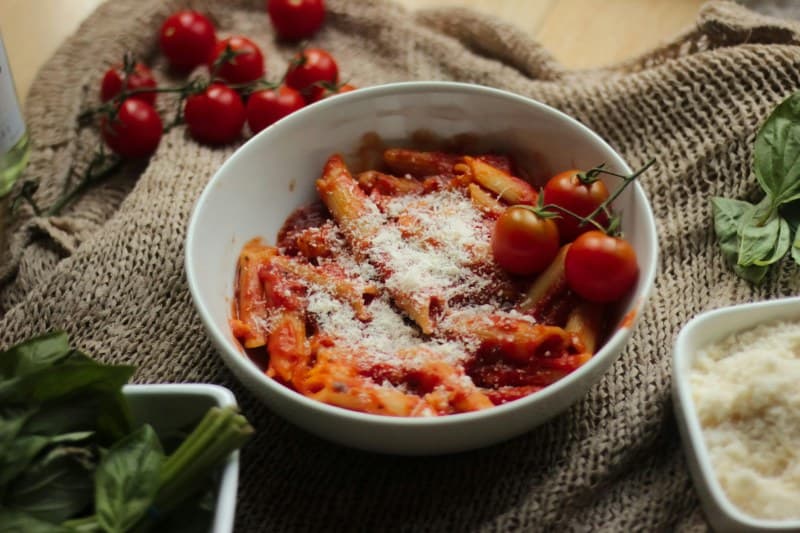
Last week, my roommate and I got into a silly but passionate argument while making spaghetti. She dumped a handful of salt into the pot, declaring, “This is non-negotiable—salt makes the pasta taste like something!” I rolled my eyes, saying it was a waste since we’d drain most of the water anyway. Turns out, both of us were half right. Let’s break down the real deal about salted pasta water and bust a couple of persistent myths.
The Truth About Salted Pasta Water
First, let’s get one thing straight: salted water does make pasta taste better. When you boil pasta in salted water, the noodles absorb the salt as they cook, seasoning them from the inside out. This means even if you don’t douse your pasta in sauce, it won’t taste bland. But is it mandatory? No—but it’s highly recommended for flavor.
The second reason people add salt is often misunderstood: it raises the boiling point of water. But here’s the catch—only by a tiny amount (like 1-2 degrees Fahrenheit). So it won’t make your water boil faster (more on that myth later). The real benefit is that the slightly higher temperature helps the pasta cook evenly without turning mushy.
Debunking 2 Common Pasta Myths
Myth 1: Salt makes water boil faster
You’ve probably heard this one a million times, but it’s mostly false. Adding salt to water increases its boiling point, which means it takes longer to reach a boil—not shorter. The confusion comes from the fact that salted water bubbles more vigorously once it does boil, making it seem like it’s cooking faster. But in reality, you’re just waiting a few extra seconds (or minutes, if you add a lot) for the water to heat up.
Myth 2: You need a ton of salt to flavor pasta
Some recipes say to add “as much salt as the sea,” but that’s an exaggeration. A good rule of thumb is 1 teaspoon of salt per 4 cups of water (or 1 tablespoon per gallon). Too much salt can make your pasta overly salty, especially if you use the starchy pasta water to thicken your sauce (which you should—more on that later).
Salted vs. Unsalted Pasta Water: A Quick Comparison
Wondering if the effort is worth it? Here’s a side-by-side look:
| Aspect | Salted Water | Unsalted Water |
|---|---|---|
| Flavor | Seasoned noodles from inside out | Bland noodles, relying on sauce for taste |
| Texture | Evenly cooked, firm al dente | May turn mushy if overcooked |
| Practicality | Requires measuring, but minimal effort | Quick, but less flavorful |
| Sauce Compatibility | Starchy water enhances sauce emulsification | Starchy water still works, but lacks salt |
A Classic Quote to Remember
“The only real stumbling block is fear of failure. In cooking you’ve got to have a what-the-hell attitude.” — Julia Child
Julia Child’s words ring true here. Don’t stress over exact salt measurements—experiment! If you’re unsure, start with a small amount and adjust next time. Cooking is about fun, not perfection.
Practical Tips for Perfect Pasta
- Use enough water: 1 gallon per pound of pasta to prevent sticking.
- Save the pasta water: It’s starchy and helps thicken sauces (like carbonara or pesto).
- Don’t add oil: Oil coats the pasta, making it harder for sauce to stick. Stir the pasta right after adding it to the pot instead.
FAQ: Your Pasta Questions Answered
Q: Can I use table salt instead of sea salt for pasta water?
A: Yes! Table salt dissolves quickly and works just as well. Sea salt or kosher salt are fine too—just adjust the amount since they have larger grains.
Q: What if I forget to add salt to the water?
A: No problem! You can season the sauce more heavily, or add a pinch of salt to the pasta after draining (though it won’t penetrate as deeply as cooking in salted water).
Next time you make pasta, try adding a teaspoon of salt to the water and taste the difference. You might just become a convert—like my roommate finally convinced me!