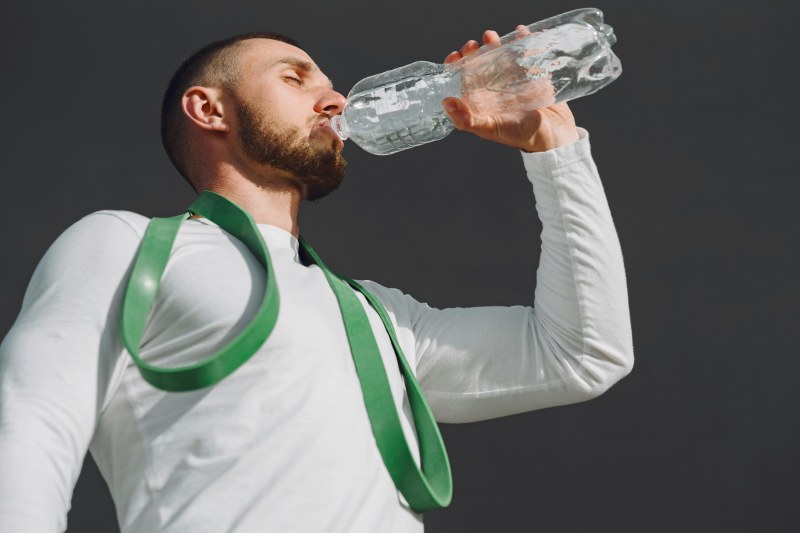
Let’s start with Sarah’s story: Every afternoon at 3 PM, she’d hit a wall. She tried extra coffee, a quick nap, even snacking on energy bars—but nothing stuck. Then a friend suggested she track her water intake. Turns out, Sarah was only drinking one cup of water a day. Within a week of sipping water regularly, her slump vanished. She had more energy for her evening walk and could focus better at work. What changed? Her body finally got the water it needed to make energy.
How Water Powers Your Energy
Water isn’t just for quenching thirst—it’s the backbone of your body’s energy system. Here’s how it works:
- Nutrient transport: Water carries glucose (your body’s main energy source) and oxygen to cells, so they can make ATP (the molecule that powers all your activities).
- Temperature regulation: When you’re active, your body sweats to cool down. If you’re dehydrated, you can’t sweat enough—leading to overheating and fatigue.
- Cell function: Every cell in your body needs water to function. Dehydration slows down cell processes, making you feel tired and sluggish.
4 Common Hydration Myths (And The Truth)
Let’s set the record straight on some popular myths about hydration:
| Myth | Fact |
|---|---|
| Thirst means you’re already dehydrated. | Thirst is an early signal—mild dehydration may set in, but it’s not too late to rehydrate before serious effects like dizziness or brain fog. |
| Clear urine is the only sign of proper hydration. | Pale yellow urine is ideal. Clear urine might mean you’re overhydrated, while dark yellow indicates you need more water. |
| Caffeinated drinks (coffee/tea) dehydrate you. | Moderate intake (1-2 cups daily) doesn’t cause dehydration. These drinks contribute to your daily fluid intake. |
| You only need water when active or sweating. | Your body loses water at rest (via breathing, urine, and skin). Consistent hydration keeps your energy steady all day. |
Practical Tips to Stay Hydrated
Staying hydrated doesn’t have to be complicated. Try these simple habits:
- Sip water every hour—keep a bottle at your desk or in your bag.
- Eat water-rich foods like cucumber (96% water), watermelon (92% water), or oranges (87% water).
- Set reminders on your phone if you forget to drink.
- Adjust your intake: Drink more if you’re exercising, in a hot climate, or feeling sick.
Water is the driving force of all nature. — Leonardo da Vinci
This quote reminds us how fundamental water is to every bodily function, including energy production. Sarah’s story is proof—small changes in hydration can make a big difference in how you feel.
Common Question About Hydration
Q: Is the 8-glass rule (64 ounces) accurate for everyone?
A: No. The amount of water you need varies by age, weight, activity level, and climate. The U.S. National Academies of Sciences recommends 11-15 cups (2.7-3.7 liters) of total fluid daily for most adults. This includes water, tea, and water-rich foods. Listen to your body—sip when you’re thirsty, and you’ll be on the right track.
Next time you feel that midday slump, reach for a glass of water before grabbing coffee. You might be surprised at how much more energy you have.