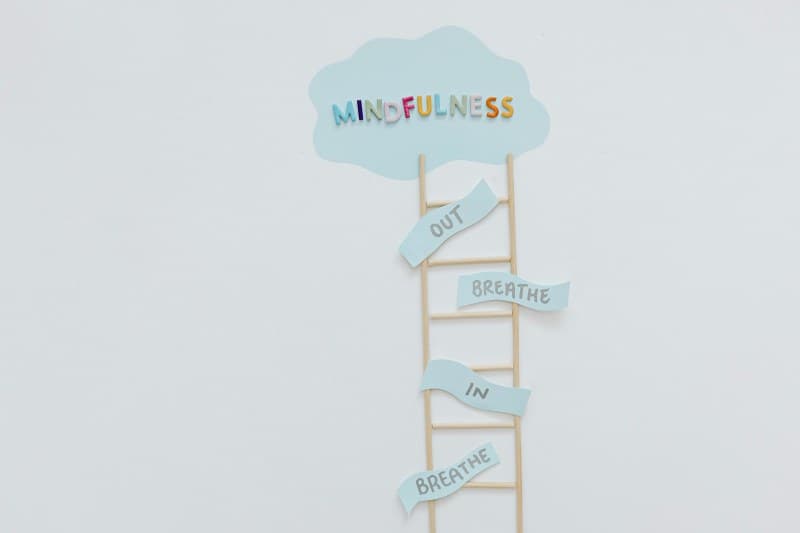
Imagine Sarah: she’s at her desk, fork in one hand, email open on the other. She shovels a salad into her mouth while replying to a work message, finishes in 5 minutes, and then wonders why she feels empty an hour later. Sound familiar? This is mindless eating—and it’s something most of us do without realizing. Mindful eating is the antidote, but it’s often misunderstood as a strict diet or a time-consuming ritual. Let’s break it down.
What Is Mindful Eating, Anyway?
Mindful eating is a practice rooted in mindfulness—being fully present in the moment. It’s not about cutting out certain foods or counting calories. Instead, it’s about paying attention to how your food tastes, how your body feels, and the experience of eating without judgment. Think of it as rekindling your connection to food, one bite at a time.
4 Key Principles of Mindful Eating 🍎
These principles are simple, but they can transform your relationship with food. Here’s how they compare to common mindless habits:
| Principle | Mindful Practice | Mindless Habit |
|---|---|---|
| Engage Your Senses | Notice the crunch of an apple, the aroma of garlic, or the warmth of soup. | Eating while staring at a screen, ignoring flavors. |
| Eat Without Distractions | Put away your phone, turn off the TV, and focus on your meal. | Multitasking (work, scrolling) while eating. |
| Listen to Your Body | Stop eating when you feel 80% full (not stuffed). | Finishing everything on your plate because it’s there. |
| Non-Judgmental Awareness | Accept that it’s okay to eat a cookie—enjoy it fully instead of feeling guilty. | Beating yourself up for "cheating" on a diet. |
Common Myths Debunked 💡
Let’s clear up some misconceptions:
- Myth 1: Mindful eating is only for "healthy" eaters.
Truth: It works for any food—whether you’re eating a salad or a slice of pizza. The goal is to enjoy the experience, not judge the food. - Myth 2: It takes too much time.
Truth: Even 5 minutes of focused eating (like savoring your morning coffee without checking your phone) counts. Small steps add up.
Quick Q&A
Q: Can I practice mindful eating if I’m in a hurry?
A: Absolutely! Try taking 3 deep breaths before you start eating. This calms your mind and helps you focus. Or, focus on the first 3 bites of your meal—notice their taste and texture. These tiny acts can make a big difference.
A Classic Wisdom Check
"When you eat, just eat. When you walk, just walk. But when you chew, chew thoroughly." — Thich Nhat Hanh
This quote from the renowned mindfulness teacher sums up mindful eating perfectly. It’s not about overcomplicating things; it’s about being present in the simple act of eating. Chewing slowly (20-30 times per bite) helps you taste your food more and gives your body time to signal fullness.
You don’t have to overhaul your eating habits overnight. Pick one principle this week—like putting your phone away during dinner. Notice how you feel. Chances are, you’ll enjoy your food more and feel more satisfied. That’s the magic of mindful eating: small changes, big impact.