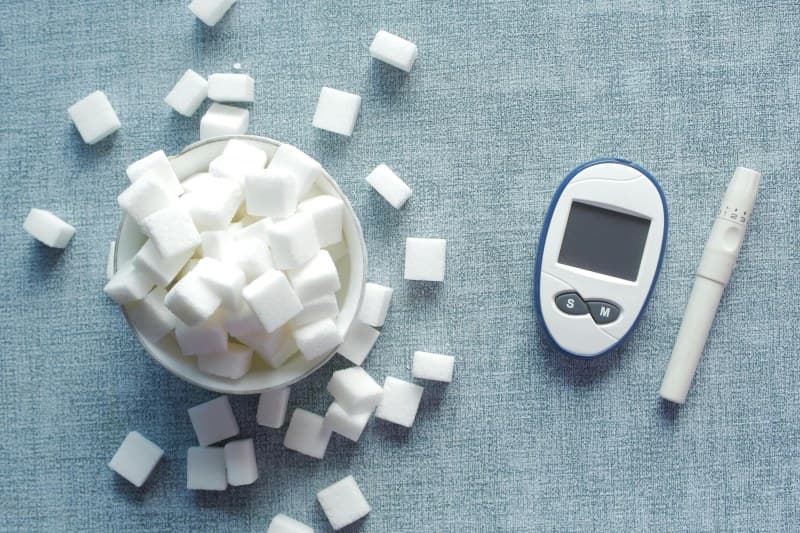
Ever grabbed a candy bar at 3 PM for a quick energy boost, only to crash an hour later? That’s your body’s response to sugar—and it’s more complex than you might think. Let’s break down how sugar works in your system, clear up common misconceptions, and find ways to enjoy it without the downsides.
How Your Body Processes Sugar, Simplified
When you eat something sweet, your body breaks it down into glucose (a simple sugar) in your digestive system. Your pancreas then releases insulin, a hormone that helps glucose move from your bloodstream into your cells to use as energy. Excess glucose gets stored as glycogen in your liver and muscles, or converted to fat if you have more than your body needs. That’s why overindulging leads to energy spikes and crashes—your blood sugar rises fast, then drops just as quickly when insulin does its job.
6 Common Sugar Myths Debunked
Let’s separate fact from fiction with this quick comparison:
| Myth | Fact | Impact of Believing the Myth |
|---|---|---|
| All sugar is the same. | Natural sugar (e.g., fruit) comes with fiber/vitamins; added sugar (e.g., soda) is empty calories. | Cutting all sugar deprives you of essential nutrients. |
| Sugar causes hyperactivity in kids. | Studies show no direct link—excitement from events (like parties) is often the culprit. | Blaming sugar may overlook other behavioral triggers. |
| Sugar is clinically addictive. | It activates reward centers but doesn’t cause drug-like dependency. | Overconsumption leads to cravings, but it’s not an addiction in medical terms. |
| Low-sugar diets mean cutting all carbs. | Carbs convert to glucose, but whole grains/fiber slow absorption. | Cutting all carbs leads to low energy and nutrient gaps. |
| Sugar-free products are always healthy. | Many contain artificial sweeteners or hidden additives. | Overuse may cause digestive issues or increased cravings. |
| You must avoid sugar entirely to lose weight. | Calorie balance matters more—moderation is key. | Extreme restriction often leads to binges and unsustainable habits. |
Practical Tips for Balanced Sugar Intake
Here are easy ways to enjoy sugar without the crash:
- Pair sweet snacks with protein or fiber (e.g., apple + peanut butter) to slow glucose absorption.
- Read labels for hidden added sugars (look for “high-fructose corn syrup” or “cane sugar” in processed foods).
- Choose whole fruits over fruit juice—juice removes fiber, making sugar hit faster.
- Limit processed snacks (like cookies or chips) that are high in added sugar.
- Be mindful of portion sizes—even natural sugar can add up if you overeat.
“Moderation in all things, including moderation.” — Aristotle
This ancient wisdom fits perfectly here. Depriving yourself of all sugar can backfire (hello, candy binges!), but overindulging has long-term health risks. Finding the middle ground helps you enjoy sweet treats while keeping your body happy.
Common Question: Is Natural Sugar Always Better?
Q: I’ve heard natural sugar (like from apples) is healthier than added sugar—Is that true?
A: Yes! Natural sugar comes packaged with fiber, vitamins, and minerals that slow down glucose absorption. For example, an apple’s fiber means its sugar is released gradually, preventing the energy crash you get from a candy bar. Added sugar (like in soda or pastries) has no fiber, so it hits your bloodstream fast.
A Relatable Story: Sarah’s Sugar Journey
Sarah used to reach for a candy bar every afternoon to beat the slump. She’d feel energized for 30 minutes, then crash so hard she could barely focus. Frustrated, she tried cutting all sugar—including fruit. But she felt tired and irritable, and eventually binged on a whole bag of cookies.
Then she learned about balanced intake. Now, she eats an apple with a spoonful of almond butter instead of candy. The fiber and protein keep her energy steady, and she still gets to enjoy something sweet. No more crashes, no more guilt.
Understanding how your body processes sugar helps you make informed choices. It’s not about cutting sugar out entirely—it’s about choosing the right kinds and enjoying them in moderation. Your body (and your energy levels) will thank you.