Let’s be real—casual sports are supposed to be fun, not a stress fest over gear. But how many of us have bought a fancy pair of basketball shoes only to realize they’re too tight, or splurged on a high-tech water bottle that ends up collecting dust? I remember my friend Jake, who dropped $150 on running shoes because the salesperson said they’d make him faster. He wore them once and got blisters so bad he couldn’t run for a week. Turns out, he didn’t even try them on with the socks he uses for running. Oops.
5 Gear Mistakes Casual Athletes Make (And Fixes)
1. Ill-Fitting Footwear (The #1 Blister Culprit)
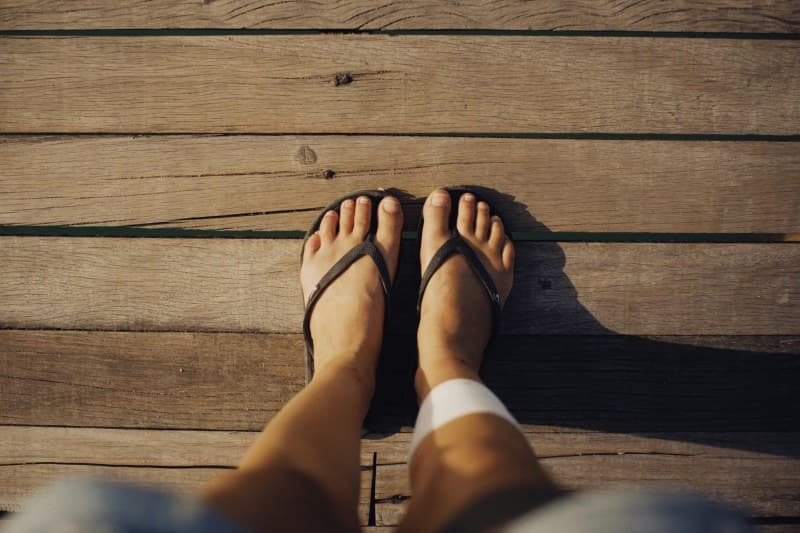
Most people pick shoes based on looks or brand, not fit. Jake’s story is a perfect example. The fix? Try shoes on at the end of the day (your feet swell) and wear the socks you’ll use for the sport. For running, leave a thumb’s width between your toe and the end of the shoe.
2. Overbuying Gadgets You Don’t Need
That smart watch with 100 workout modes? You probably only need a few basic features (like a timer or heart rate monitor). My cousin bought a $300 fitness tracker but uses it just to count steps—she could’ve gotten a $20 pedometer instead.
3. Wrong Socks (Yes, Socks Matter)
Cotton socks absorb sweat, leading to blisters. Opt for moisture-wicking materials like polyester or wool. I once wore cotton socks to a soccer game and ended up with blisters on both heels—never again.
4. Ignoring Protective Gear
Casual volleyball players often skip knee pads, but diving for a ball can lead to scrapes or bruises. Even a $10 pair of knee pads can save you from pain. My friend Lisa learned this the hard way when she dove for a ball and scraped her knee so bad she had to sit out for two weeks.
5. Not Cleaning Gear Regularly
Sweaty gear breeds bacteria, leading to bad odors or even skin infections. Wash your workout clothes after every use, and air out your shoes. I used to leave my soccer cleats in my bag for days—they smelled so bad my teammates made me keep them outside the locker room.
Let’s compare these mistakes and their fixes side by side:
| Mistake | Fix | Estimated Cost of Fix |
|---|---|---|
| Ill-fitting footwear | Try on with sport socks; leave thumb width space | $0 (if exchange) or $50-$100 for budget shoes |
| Overbuying gadgets | Stick to basic features you’ll use | $0 (return unused) or $20-$50 for budget options |
| Wrong socks | Switch to moisture-wicking socks | $10-$20 for a pack |
| Ignoring protective gear | Buy basic knee pads/wrist guards | $10-$30 |
| Not cleaning gear | Wash clothes; air out shoes | $0 (use existing supplies) |
“Simplicity is the ultimate sophistication.” — Leonardo da Vinci
This quote rings true for casual sports gear. You don’t need the fanciest stuff to have fun or perform well. Focus on what works for you, not what’s trending.
FAQ: Common Gear Questions
Q: Do I need brand-name gear to get good results?
A: No! Budget brands often offer the same fit and function. A $30 pair of moisture-wicking socks works as well as a $50 brand-name pair.
Q: How often should I replace sports shoes?
A: For running shoes, every 300-500 miles. For others, replace when soles wear or stitching loosens.
At the end of the day, casual sports are about enjoyment. Don’t let gear mistakes ruin your fun. Keep it simple, focus on fit, and don’t overspend—your wallet (and body) will thank you.