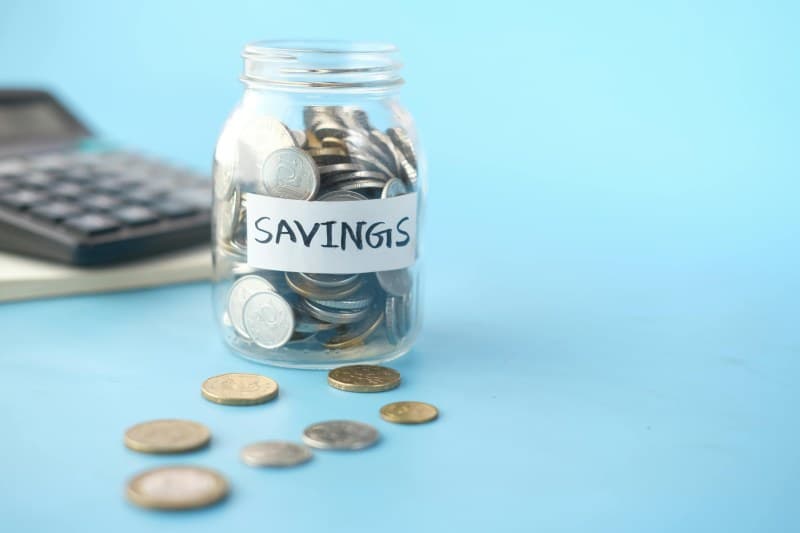
We’ve all been there: staring at our bank account, knowing we should save more, but dreading the thought of cutting out the little things that make life fun—like a weekly latte, a movie night, or a new book. Saving doesn’t have to mean deprivation, though. The key is finding small, sustainable ways to put money aside without feeling like you’re missing out.
7 Ways to Save Without Deprivation
These methods are designed to fit into your lifestyle, not against it. Let’s dive in:
- Joy Budget Allocation: Set aside 5-10% of your income for "fun" expenses (coffee, hobbies, outings). This way, you don’t feel guilty about spending on things you love—because it’s already planned.
- Micro-Saving Apps: Use apps that round up your purchases to the nearest dollar and transfer the difference to savings. For example, if you buy a $3.75 coffee, 25 cents goes to savings. It’s painless!
- Swap & Share: Instead of buying new clothes or books, swap with friends or join a local swap group. You get fresh items without spending a dime.
- Meal Prep with Flexibility: Plan most meals for the week, but leave one or two nights open for takeout or dining out. This avoids the "burnout" that comes with strict meal planning.
- No-Spend Days: Pick 1-2 days a week where you don’t spend on non-essential items (no coffee runs, no online shopping). It’s a small challenge that adds up.
- Cash-Only Challenge for Fun: Use cash for your entertainment budget. When the cash is gone, you stop spending—this helps you stay aware of how much you’re using.
- Reward System: Set small savings goals (like $100) and treat yourself to something small when you hit them. This keeps you motivated.
Method Comparison: Which Fits You?
Here’s a quick breakdown of each way to help you choose:
| Way | Effort Level | Fun Factor (1-5) | Pros | Cons |
|---|---|---|---|---|
| Joy Budget | Low | 5 | Guilt-free spending, easy to plan | Requires discipline to stick to the allocation |
| Micro-Saving Apps | Very Low | 3 | Automated, no effort after setup | Savings grow slowly |
| Swap & Share | Medium | 4 | Free items, social interaction | Limited to what others have to swap |
| Flexible Meal Prep | Medium | 3 | Saves money on food, reduces waste | Requires some planning time |
| No-Spend Days | Low | 2 | Quick wins, builds awareness | Can feel restrictive if overdone |
| Cash-Only Fun | Low | 3 | Helps with impulse control | Carrying cash can be inconvenient |
| Reward System | Low | 5 | Motivating, reinforces good habits | Rewards can eat into savings if not planned |
Wisdom to Remember
“Do not save what is left after spending, but spend what is left after saving.” — Warren Buffett
This quote reminds us that saving should be a priority, not an afterthought. The methods above help you do exactly that—by integrating savings into your daily life without sacrificing the things you enjoy.
A Real-Life Example
Mia, a 28-year-old graphic designer, wanted to save for a weekend trip but hated the idea of cutting out her weekly $5 latte. She tried the joy budget: she allocated $20 a month for coffee (4 lattes) and put the rest of her "fun" money into savings. After 3 months, she had saved $150—enough for her trip—without missing a single latte. “It felt like a game,” she said. “I didn’t feel deprived at all.”
Common Question
Q: Can these methods work for someone with a very tight budget?
A: Absolutely! Most of these methods are low-cost or free. For example, micro-saving apps work even if you only save a few cents a day, and swap & share requires no money at all. The key is to adjust the methods to fit your income—like reducing the joy budget to 2% instead of 10% if needed.
Final Thoughts
Saving money doesn’t have to be a chore. By choosing one or two of these methods, you can start building your savings without giving up the little joys that make life worth living. Remember: small, consistent steps add up over time. Give one a try this week—you might be surprised at how much you can save!