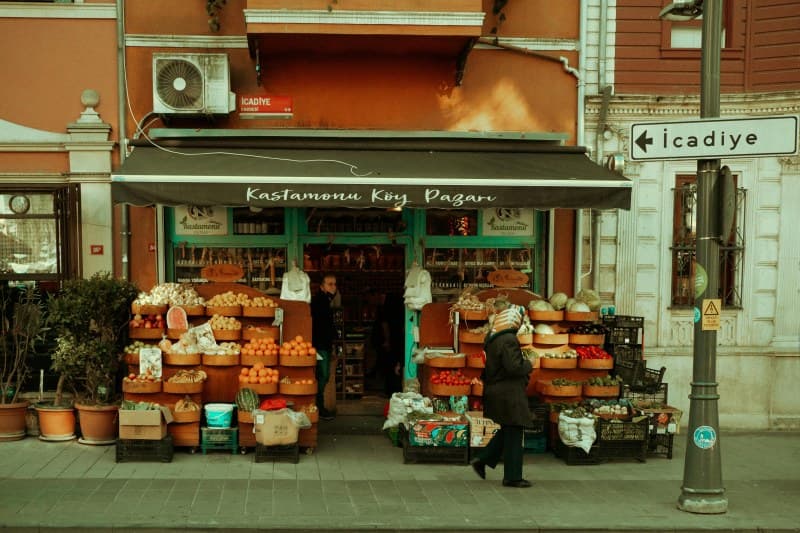
Last year, I wandered into a Bangkok night market, eyeing a hand-carved wooden elephant that caught my eye. I blurted out half the asking price, and the vendor’s warm smile faded instantly. A nearby local woman leaned over, chuckling softly: “You don’t start that low—offer 70% of the price, and laugh a little. It’s a game, not a fight.” That moment taught me: bargaining in local markets isn’t just about getting a good deal—it’s a cultural dance of respect and connection.
What Is Local Market Bargaining, Really?
Bargaining (or haggling) is a common practice in many travel destinations, from Moroccan souks to Thai night markets. It’s not about tricking vendors or getting the cheapest price possible. Instead, it’s a way to interact with locals, show appreciation for their craft, and reach a price both parties feel fair. In some cultures, it’s even considered rude to accept the first price—you’re expected to engage in the back-and-forth.
6 Common Myths About Market Bargaining (Debunked)
- Myth 1: You have to lowball to get a good deal. Lowballing (offering way below the asking price) can insult vendors. A fair starting point is 60-70% of the asking price—adjust based on the market.
- Myth 2: Bargaining is only for cheap items. Even high-end crafts (like handwoven carpets or leather goods) can be bargained for in many markets. Vendors often mark up prices expecting negotiation.
- Myth 3: Vendors will get angry if you walk away. Walking away is a common tactic—many vendors will call you back if they’re willing to lower the price. Just do it politely.
- Myth4: You should bargain for everything. Fixed-price markets exist (e.g., grocery stores in Japan or chain shops). Look for signs like “fixed price” or observe locals—if no one is haggling, skip it.
- Myth5: Speaking the local language isn’t necessary. A few phrases (like “hello,” “thank you,” or “how much?”) go a long way in building rapport. Vendors are more likely to negotiate with someone who shows effort.
- Myth6: The goal is to get the lowest possible price. The best bargains are mutual—both you and the vendor should feel satisfied. If you’re only focused on saving a few dollars, you might miss the chance to connect.
Pro Bargaining Tips: Do’s & Don’ts
To make your bargaining experience smooth and respectful, here’s a quick comparison:
| Do’s | Don’ts |
|---|---|
| Start with a friendly greeting (e.g., “Sawasdee ka” in Thai) | Blurt out a lowball offer without greeting |
| Ask about the item (e.g., “Is this hand-made?”) to show interest | Rush the process—take time to chat |
| Be willing to walk away if the price isn’t fair | Get defensive if the vendor counters your offer |
| Use local phrases if you can | Assume all vendors are trying to scam you |
Cultural Etiquette to Keep in Mind
Bargaining is deeply tied to culture, so it’s important to respect local norms. For example:
- In Moroccan souks, vendors often offer mint tea before bargaining—it’s a sign of goodwill. Accepting it shows you’re open to the interaction.
- In Indian markets, avoid touching items unless you’re serious about buying—this is considered polite.
- In Mexican markets, smiling and being friendly can go further than a sharp bargain.
“Respect yourself and others will respect you.” — Confucius
This quote rings true for bargaining. When you respect the vendor’s craft and time, they’re more likely to work with you and even share stories about their products.
FAQ: Common Questions About Bargaining
Q: Is it rude to bargain in every market?
A: No. Some markets (like department stores or grocery markets in Western countries) have fixed prices. If you’re unsure, ask a local or observe what others are doing.
Q: How much should I offer first?
A: A safe starting point is 60-70% of the asking price. For example, if an item costs 100 baht (Thai currency), offer 70 baht. Adjust based on the market—some places expect lower initial offers.
Q: What if I don’t speak the local language?
A: Use hand gestures (like holding up fingers to indicate price) or a translation app. Even a few basic phrases (hello, thank you) can make a big difference.
Next time you visit a local market, remember: bargaining is more than just getting a deal. It’s a chance to connect with locals, learn about their culture, and take home a unique item with a story. So smile, be respectful, and enjoy the dance!