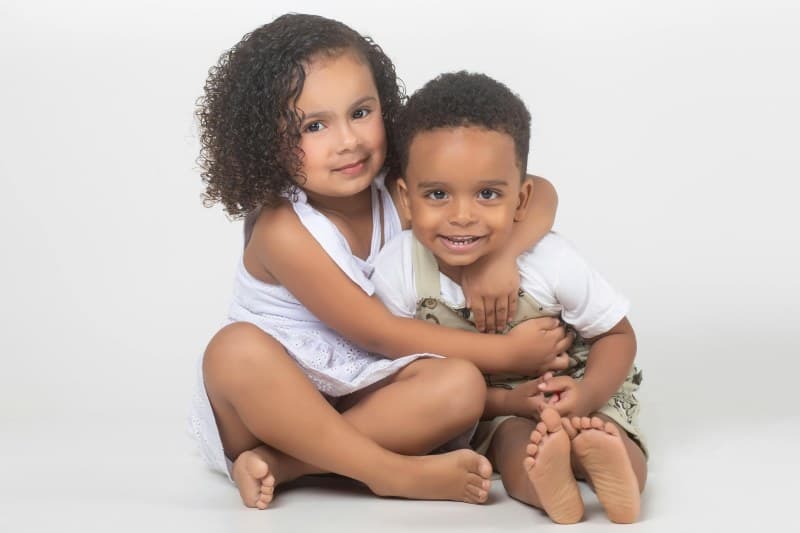
Last weekend, my niece Lila and nephew Jake spent 20 minutes bickering over a stuffed dinosaur. Lila claimed it was hers (she’d had it since she was 3), Jake insisted he’d ‘borrowed’ it fair and square. Their mom stood there, unsure whether to step in or let them sort it out. Sound familiar? Sibling conflicts are as old as time, but how you handle them can shape their relationship for years.
Why Sibling Conflicts Happen
Sibling fights often start small—toy disputes, attention competition, or even a bad mood. But they’re not just nuisances: they’re opportunities for kids to practice problem-solving and boundary-setting. The trick is to guide them without taking sides or dismissing their feelings.
7 Gentle Ways to Resolve Sibling Conflicts
Below is a breakdown of 7 effective methods to help siblings work through their differences, with key details to help you choose the right approach:
| Method | Effort Level | Emotional Impact | Pros | Cons |
|---|---|---|---|---|
| 1. Active Listening Pair | Medium | Positive | Teaches empathy; validates feelings | Takes time; requires kids to be calm |
| 2. Turn-Taking System | Low | Neutral | Simple to implement; clear rules | May feel unfair if one kid wants longer |
| 3. Compromise Brainstorming | Medium | Positive | Encourages creativity; builds teamwork | Kids may struggle to find common ground |
| 4. Time-Out for Calm | Low | Neutral | Cools tempers; prevents escalation | Can feel like punishment if not framed right |
| 5. Role Reversal Exercise | High | Positive | Builds perspective; reduces blame | Requires kids to be cooperative |
| 6. Shared Activity Bonding | Medium | Positive | Shifts focus to fun; strengthens connection | May not address the root conflict immediately |
| 7. Family Rule Reminder | Low | Neutral | Reinforces consistent expectations | Doesn’t solve the specific issue at hand |
A Classic Take on Sibling Bonds
“I sustain myself with the love of family.” — Maya Angelou
Angelou’s words remind us that family bonds are worth nurturing—even when conflicts arise. Resolving sibling fights gently helps keep those bonds strong, turning moments of tension into opportunities for growth.
Real-Life Example: The Dinosaur Dispute
Back to Lila and Jake. Their mom decided to try the compromise brainstorming method. She sat them down and asked: “What if Lila lets Jake play with the dinosaur for 30 minutes, then Jake helps Lila build her Lego castle?” Both kids agreed. By the end of the hour, they were laughing and playing together. The conflict didn’t just end—it turned into a shared moment.
FAQ: Common Question About Sibling Conflicts
Q: Is it ever okay to let siblings resolve conflicts on their own?
A: Yes—if the conflict is non-physical and both kids are calm enough to communicate. Letting them work it out builds problem-solving skills. But if things get heated or one kid is being bullied, step in to guide them with one of the methods above.
Final Thoughts
Sibling conflicts are normal, but how you respond matters. The goal isn’t to eliminate fights entirely—it’s to help kids learn to handle them with kindness and respect. Whether you use active listening, turn-taking, or a shared activity, the key is to focus on their relationship long-term.