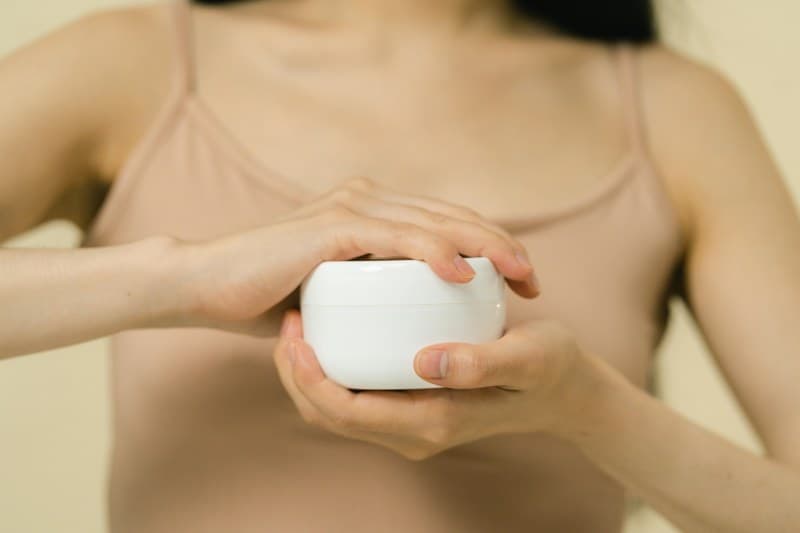
Let’s start with Mia’s story: She had combination skin—oily T-zone, dry cheeks—and spent months bouncing between heavy creams (which made her forehead shine) and gel moisturizers (which left her cheeks tight). Then she tried three simple ways to pick the right moisturizer, and finally found one that worked for both sides of her skin. Here’s how she did it.
Way 1: Match to Your Skin Type
The first step is to know your skin type and pick a moisturizer designed for it. A cream that works for dry skin might clog pores on oily skin, and vice versa. Below is a quick comparison to help:
| Skin Type | Recommended Moisturizer Type | Key Ingredients | Budget Example | Pros | Cons |
|---|---|---|---|---|---|
| Oily | Gel or oil-free lotion | Niacinamide, salicylic acid | CeraVe Foaming Facial Moisturizing Lotion | Lightweight, non-greasy, controls shine | Might not be hydrating enough for very dry areas |
| Dry | Thick cream or ointment | Hyaluronic acid, ceramides, shea butter | Pond’s Dry Skin Cream | Deeply hydrating, long-lasting | Can feel heavy on oily patches |
| Combination | Lightweight cream or gel-cream | Glycerin, squalane | Neutrogena Hydro Boost Water Gel | Balances hydration without greasiness | May need extra hydration for dry areas in winter |
Way 2: Decode Key Ingredients
You don’t need a chemistry degree to understand moisturizer labels. Look for these ingredients based on your needs:
- Hyaluronic acid: Draws water to the skin—great for dry or dehydrated skin.
- Niacinamide: Regulates oil production and minimizes pores—perfect for oily skin.
- Ceramides: Repairs the skin barrier—good for all types, especially sensitive skin.
Mia chose a gel-cream with hyaluronic acid and niacinamide, which hydrated her cheeks and kept her T-zone matte.
Way 3: Test Before You Commit
Never buy a full-size moisturizer without testing it first. Here’s how:
- Ask for a sample at the store or buy a travel-size.
- Apply a small amount to your inner arm (a patch test) and wait 24 hours to check for irritation.
- Wear it for a full day to see how it feels—does it make your skin shiny by noon? Is it still hydrating in the evening?
The best foundation you can wear is healthy skin. — Bobbi Brown
This quote reminds us that moisturizer is the foundation of any skincare routine. Without the right one, even the best makeup won’t look good.
Common Q&A
Q: Can I use the same moisturizer for day and night?
A: It depends. Daytime moisturizers should have SPF (30+), while nighttime ones can be thicker for deeper hydration. If your moisturizer doesn’t have SPF, switch to a daytime version with sun protection.
Mia now uses her gel-cream during the day (with added SPF) and a thicker ceramide cream at night. Her skin has never looked better—no more shiny forehead or tight cheeks. The key was taking the time to match her moisturizer to her skin type, decode ingredients, and test before buying.