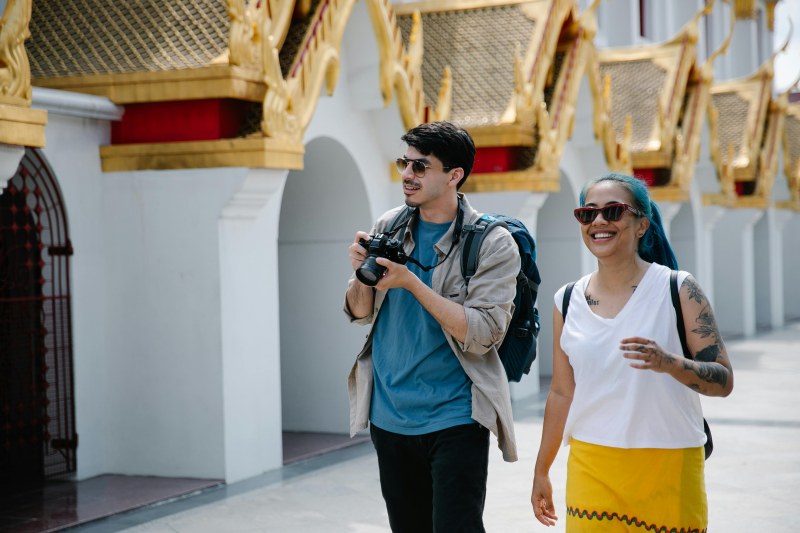
My friend Lila’s first solo trip to Lisbon started with a mix of excitement and nerves. She wandered the cobblestone streets alone, ate pastries at tourist spots, and by day three, felt a quiet loneliness creep in. Then she tried two things: a local pottery class and a three-day stay in a small coastal town. Those choices turned her trip from a checklist of sights into a collection of stories—like the artisan who invited her to family dinner or the bakery owner who saved her a favorite croissant each morning. Here’s how those two approaches can work for you.
Two Key Approaches to Meaningful Solo Travel
1. Join Curated Local Experience Groups
Local-led experiences are small, focused activities that let you dive into a culture alongside others. Think pottery classes with a local artisan, market tours where you learn to pick fresh produce, or hiking trips led by someone who knows the hidden trails. These groups take the pressure off striking up conversations alone—you’re all there for the same reason.
For Lila, the pottery class in Lisbon was a game-changer. The group had 8 people, and the artisan, Maria, shared stories about Portuguese pottery traditions while they worked. By the end of the class, Lila had made a lopsided mug and an invitation to Maria’s home for dinner. “I didn’t expect to make a friend that day,” she said. “It felt like I was part of something, not just passing through.”
2. Slow Travel with Intentional Stops
Slow travel means staying longer in one place (3+ days) instead of hopping from city to city. It’s about exploring neighborhood cafes, sitting in parks, and frequenting the same spots so locals start to recognize you. This approach lets connections grow naturally—no forced small talk needed.
After Lisbon, Lila spent three days in Cascais, a coastal town 30 minutes away. She stayed in a small guesthouse and visited the same bakery every morning. On day two, the owner, Carlos, asked her where she was from. By day three, he was giving her free pastries and recommending a hidden beach only locals knew about. “I didn’t have to try hard,” Lila said. “Just being present and consistent made all the difference.”
Comparison: Which Approach Is Right for You?
Here’s how the two approaches stack up:
| Approach | Pros | Cons | Local Connection Level | Time Commitment |
|---|---|---|---|---|
| Curated Local Groups | Instant community, guided cultural insight, no planning needed | Fixed schedule, may cost more ($20-$50 per activity) | High (direct interaction with locals and other travelers) | 1-3 hours per activity |
| Slow Travel Stops | Flexible, deeper long-term connections, budget-friendly | Requires patience, may feel slow initially | Very high (builds ongoing relationships) | 3+ days per location |
“The world is a book, and those who do not travel read only one page.” — Saint Augustine
This quote reminds us that travel isn’t just about seeing places—it’s about reading the stories behind them. Both approaches let you turn the page from tourist to participant, whether you’re making pottery with a local or sipping coffee at a neighborhood bakery.
FAQ: Common Solo Travel Questions
Q: I’m shy—can I still connect with locals solo?
A: Absolutely! Curated groups take the pressure off because you’re with others who share your interest. For slow travel, start small: smile at the barista, ask for a recommendation, or sit in a park and observe. Over time, these small interactions can turn into meaningful connections.
Pro Tips to Boost Your Experience
- For group experiences: Look for small groups (5-10 people) on platforms like Airbnb Experiences or LocalBite—they’re more intimate than large tours.
- For slow travel: Pick a neighborhood (not downtown) to stay. Locals are more likely to chat with you in residential areas.
- Learn a few basic phrases in the local language. Even “hello” or “thank you” can go a long way in building rapport.
Solo travel doesn’t have to be lonely. Whether you join a group or take it slow, these two approaches let you turn your trip into a journey of connection and meaning. So pack your bags—your next story is waiting.