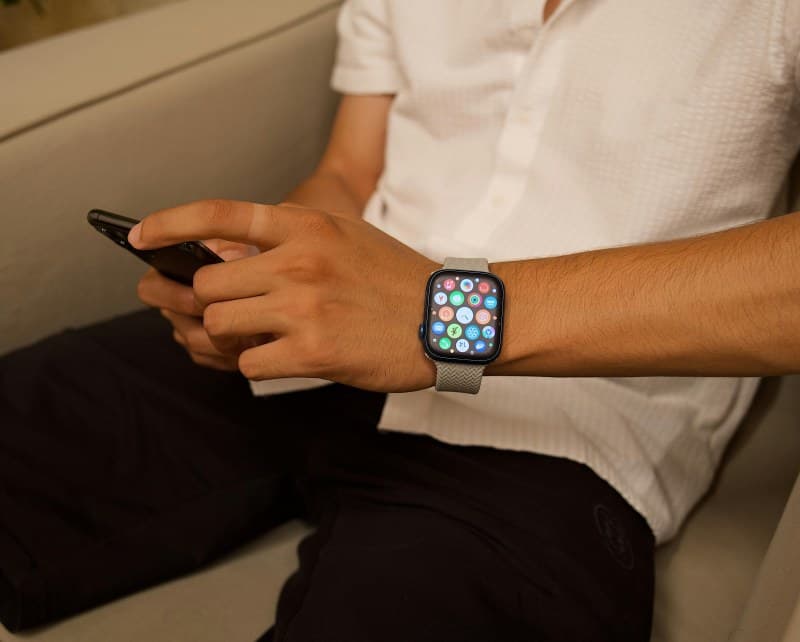
You wake up, grab your smartwatch, and glance at the sleep data: 6 hours total, 1 hour of deep sleep, 30 minutes of REM. But how does it know? And should you trust those numbers? Let’s break down how smartwatches track sleep, the key metrics they measure, and what you can do with that info.
How Smartwatches Track Sleep: The Basics
Smartwatches use two main sensors to guess your sleep stages: an accelerometer (to detect movement) and a heart rate monitor (to measure heart rate variability). When you’re in deep sleep, you move less and your heart rate drops. When you’re awake or in REM sleep, movement and heart rate pick up. Algorithms then turn this data into sleep stage classifications.
4 Key Sleep Metrics Smartwatches Measure
Smartwatches focus on four main sleep metrics to paint a picture of your night. Here’s what each one means:
| Metric | What It Measures | Why It Matters |
|---|---|---|
| Deep Sleep | Slow brain waves, minimal movement, low heart rate. | Repairs body tissues, boosts immune system, and supports memory. |
| Light Sleep | Transition between awake and deep/REM; occasional movement. | Prepares your body for deep sleep and helps with memory consolidation. |
| REM Sleep | Rapid eye movement, vivid dreams, higher brain activity. | Enhances learning, creativity, and emotional regulation. |
| Awake Time | Periods of movement or high heart rate during sleep. | Indicates disruptions (e.g., stress, caffeine, or a noisy environment). |
Common Myths About Smartwatch Sleep Tracking
Let’s bust two common myths:
- Myth 1: Smartwatches are 100% accurate. No—they’re estimates. Clinical sleep labs use EEG (brain wave) sensors, which are more precise. But watches are great for tracking long-term trends.
- Myth 2: More deep sleep is always better. Not really. Adults need about 15-25% of their sleep in deep stages. Too much (or too little) can signal stress or health issues, but everyone’s needs vary.
A Real-Life Example: How Sarah Used Her Watch to Fix Her Sleep
Sarah, a 32-year-old teacher, noticed her smartwatch showed frequent awake times between 2-4 AM. She started logging her evening habits and realized she was drinking a caffeinated tea at 8 PM. After switching to herbal tea, her awake time dropped by 50% in two weeks. Her watch didn’t fix her sleep, but it gave her the clue to make a change.
Classic Wisdom on Sleep
“Early to bed and early to rise makes a man healthy, wealthy, and wise.” — Benjamin Franklin
Franklin’s advice is timeless, but smartwatches help turn it into action. By tracking your sleep schedule, you can see if you’re sticking to consistent bedtimes—key for good sleep health. For example, if your watch shows you sleep better when you go to bed before 11 PM, it can send a reminder to wind down.
FAQ: Your Smartwatch Sleep Questions Answered
Q: Can I use my smartwatch to improve my sleep, or is it just for tracking?
A: Yes! Most watches have features like sleep reminders, bedtime mode (dims screen and silences notifications), and personalized tips. For instance, if your watch notices you sleep poorly after using your phone late, it might suggest a screen-time cutoff.
Q: Should I worry if my sleep data fluctuates day to day?
A: No—sleep naturally varies. Focus on weekly trends instead of daily numbers. If you see a consistent drop in deep sleep over a month, it might be time to check your habits (like stress or caffeine intake).
Final Thoughts
Smartwatches aren’t perfect sleep trackers, but they’re powerful tools to understand your habits. By using the data wisely—focusing on trends and making small changes—you can get better rest. Remember: the goal isn’t to hit a “perfect” sleep score, but to feel rested and energized each day.