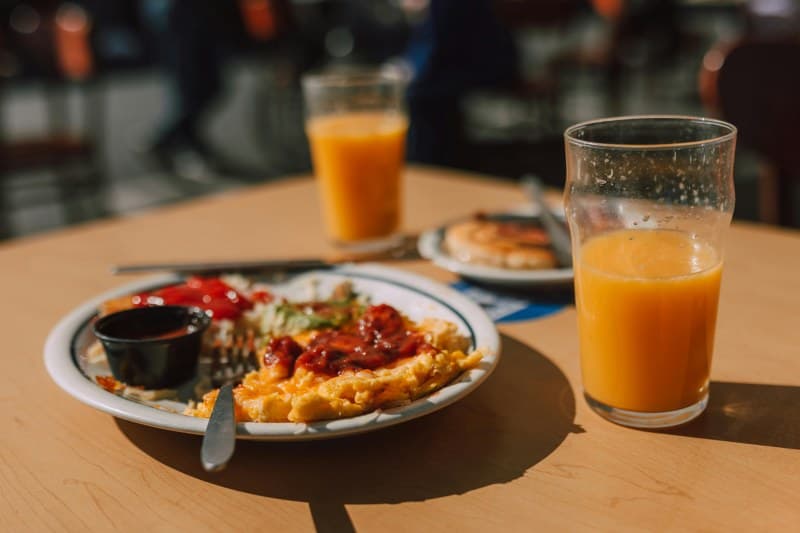
Last week, I rushed to make scrambled eggs before a morning meeting. I cranked the heat too high, stirred too fast, and ended up with dry, rubbery eggs that tasted like cardboard. Sound familiar? Scrambled eggs seem simple, but nailing that soft, creamy texture takes a little know-how. Today, we’re breaking down 7 accessible ways to make perfect scrambled eggs at home—no fancy equipment required.
"The perfect scrambled eggs are soft and creamy, not dry and rubbery." — Julia Child
Julia Child’s words ring true: the key to great scrambled eggs is gentle heat and patience. But what if you’re short on time? Or want a batch for the week? We’ve got you covered with methods for every scenario.
7 Methods to Make Perfect Scrambled Eggs: A Comparison
Here’s a quick look at each method, so you can pick the one that fits your needs:
| Method | Prep Time | Cost per Serving | Pros | Cons |
|---|---|---|---|---|
| Stovetop Low & Slow | 5-7 mins | $0.50 | Creamy texture, fully customizable | Requires constant attention, longer cook time |
| Microwave Quick | 1-2 mins | $0.40 | Ultra-fast, no pan cleanup | Texture can be uneven if not stirred |
| Pan with Lid (Steamed) | 4-6 mins | $0.55 | Moist, fluffy, minimal stirring | Requires a lid, may need adjustment for heat |
| Cream Cheese Addition | 6-8 mins | $0.75 | Rich, velvety texture | Adds extra calories, not dairy-free |
| Double Boiler | 7-9 mins | $0.50 | Gentle heat, no risk of burning | Takes longer, needs two pots |
| Oven-Baked Batch | 15-20 mins | $0.35 | Great for meal prep, hands-off | Less creamy than stovetop |
| Air Fryer Crispy Edges | 5-6 mins | $0.60 | Crispy edges, fluffy center | Requires air fryer, small batch size |
Deep Dive into Top Methods
Stovetop Low & Slow (The Classic)
This is Julia Child’s go-to method. Heat a non-stick pan over medium-low heat. Whisk 2-3 eggs with 1 tsp of milk or water (for moisture). Pour into the pan and stir slowly with a silicone spatula, scraping the bottom and sides every few seconds. Stop cooking when the eggs are still slightly runny—they’ll continue to cook from residual heat. My neighbor swears by this method; she adds a pinch of chives and a dash of hot sauce for extra flavor.
Microwave Quick (For Busy Mornings)
My friend Sarah uses this method every weekday. Mix 2 eggs with 1 tbsp of water in a microwave-safe bowl. Zap for 30 seconds, stir, then zap for another 20-30 seconds (depending on your microwave). The result is quick, fluffy eggs with no pan to wash. Pro tip: Cover the bowl with a paper towel to prevent splatters.
Common Questions About Scrambled Eggs
Q: Can I make scrambled eggs ahead of time?
A: Yes! The oven-baked method is perfect for meal prep. Whisk 6-8 eggs with milk, salt, and pepper, then pour into a greased baking dish. Bake at 350°F (175°C) for 15-20 mins. Let it cool, then cut into portions and store in the fridge for up to 3 days. Reheat in the microwave or pan.
Q: Do I need to add milk or water?
A: It’s optional, but a small amount (1-2 tsp per egg) helps keep eggs moist. Milk adds richness, while water makes them lighter. If you’re dairy-free, use almond milk or skip it entirely—eggs will still be delicious.
Final Tips for Perfect Scrambled Eggs
1. Don’t oversalt early: Adding salt before cooking can make eggs watery. Wait until after they’re done.
2. Use fresh eggs: Fresh eggs have a brighter color and better texture.
3. Experiment with add-ins: Try cheese, veggies, herbs, or even a dollop of pesto for extra flavor.
Whether you’re in a hurry or have time to spare, there’s a scrambled egg method for you. Give one a try tomorrow morning—your taste buds will thank you!