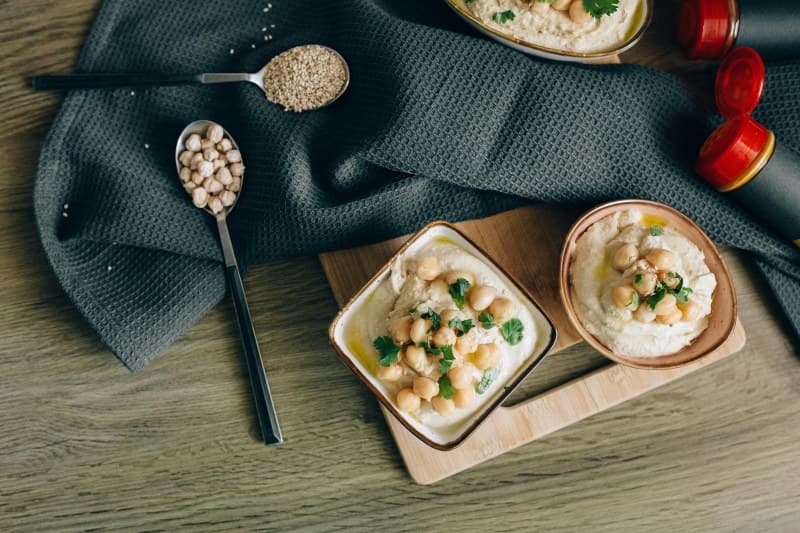
Last month, I was hosting a potluck and realized I’d run out of tahini—my go-to hummus base. Panicked, I rummaged through my pantry and tried three different swaps before landing on a creamy, crowd-pleasing version. Turns out, tahini isn’t the only way to make hummus taste rich and smooth. Whether you’re allergic to sesame, on a budget, or just out of tahini, these four methods work wonders.
Why Skip Tahini?
Tahini (sesame seed paste) is a classic hummus ingredient, but it’s not for everyone. Some people have sesame allergies, others find it too expensive, and sometimes it’s just not in the pantry. The good news? There are easy swaps that keep your hummus creamy and delicious.
4 Tahini-Free Hummus Methods: A Comparison
Here’s a quick breakdown of each method to help you choose the right one for your needs:
| Method | Prep Time | Cost | Texture Pros | Texture Cons |
|---|---|---|---|---|
| Cashew Butter Swap | 15 mins | Medium | Ultra-creamy, nutty depth | Slightly sweeter than tahini |
| Sunflower Seed Paste | 20 mins (roast seeds) | Low | Neutral flavor, budget-friendly | Needs roasting for richness |
| White Bean Puree | 10 mins | Low | Light, protein-packed | Less rich than tahini |
| Avocado Base | 12 mins | Medium | Creamy, fresh taste | Spoils faster, mild avocado flavor |
Detailed Method Breakdowns
1. Cashew Butter Swap 🥜
Unsalted, smooth cashew butter is my top pick for tahini-free hummus. It’s creamy, has a mild nutty flavor, and blends seamlessly with chickpeas. To make it: Blend 1 can of drained chickpeas, 2 tbsp cashew butter, 1 garlic clove, 1 tbsp lemon juice, 1 tbsp olive oil, and a pinch of salt. Add water 1 tbsp at a time until you get your desired consistency.
2. Sunflower Seed Paste 🌱
Roasted sunflower seeds make a budget-friendly alternative. Start by roasting ½ cup of unsalted sunflower seeds in the oven at 350°F (175°C) for 5-7 mins until golden. Let them cool, then blend with 1 tbsp olive oil until smooth (this is your paste). Mix with chickpeas, garlic, lemon, and salt. The roasting adds a warm, nutty flavor that’s close to tahini.
3. White Bean Puree 🫘
For an extra protein boost, use white bean puree. Drain a can of cannellini beans, blend them until smooth, then mix with chickpeas, garlic, lemon, and olive oil. This method is light and fresh, perfect for summer dips. Note: It’s less rich than tahini, so add a bit more olive oil if needed.
4. Avocado Base 🥑
Avocado adds a creamy, fresh twist to hummus. Mash half a ripe avocado and blend with chickpeas, garlic, lemon, and salt. The result is smooth and has a subtle avocado flavor. Keep in mind: This hummus will brown faster than traditional versions, so store it in an airtight container with a layer of olive oil on top.
A Classic Quote to Inspire Experimentation
“The only real stumbling block is fear of failure. In cooking, you’ve got to have a what-the-hell attitude.” — Julia Child
Julia’s words ring true here. Swapping tahini for something else is all about experimenting and not being afraid to adjust. I once added a bit of lime to the avocado hummus and it became a hit at my potluck—don’t be afraid to try new things!
FAQ: Common Questions About Tahini-Free Hummus
Q: Are these tahini-free hummus options vegan?
A: Yes! All four methods use plant-based ingredients, so they’re perfect for vegan diets. Just make sure any added seasonings (like yogurt) are dairy-free if needed.
Q: Can I use these methods for other dips?
A: Absolutely! The cashew butter and sunflower seed paste work great in baba ganoush or other creamy dips.
Final Tips for Perfect Tahini-Free Hummus
1. Always drain and rinse chickpeas well to remove excess starch (this makes the hummus smoother).
2. Add a splash of cold water while blending to get the right consistency.
3. For extra flavor, add a pinch of cumin or paprika.
4. Store hummus in an airtight container in the fridge for up to 3 days (avocado hummus lasts 1-2 days).
Next time you’re out of tahini, don’t panic—try one of these methods. You might even prefer the result to traditional hummus!