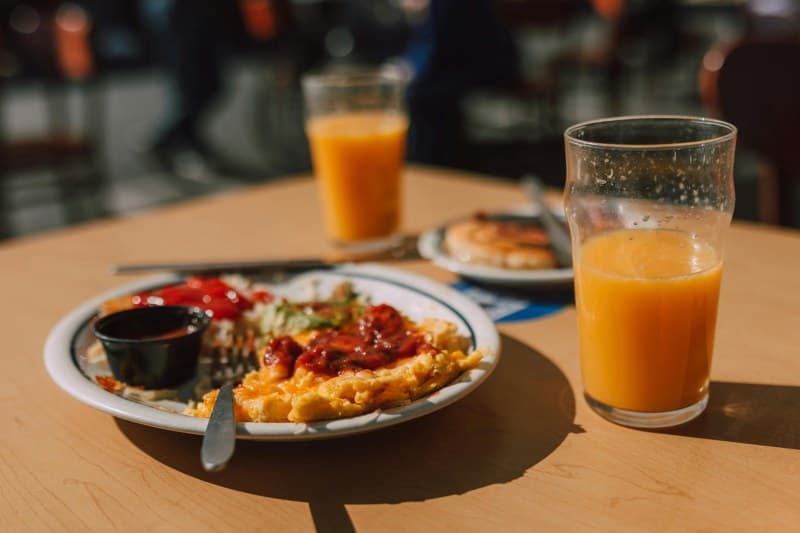
Last weekend, I tried to rush scrambled eggs before work and ended up with a pan of tough, browned curds that tasted like regret. Sound familiar? Scrambled eggs seem like the easiest breakfast ever, but nailing that creamy, fluffy texture—without rubberiness or sogginess—takes a little know-how. Lucky for you, there are two foolproof methods to get it right every time.
The Two Go-To Methods for Perfect Scrambled Eggs
These two methods cater to different tastes and time constraints. Let’s break them down:
Method 1: Low & Slow (No Dairy)
This method is all about patience. Start with 2–3 large eggs, whisked gently with a pinch of salt (skip pepper for now—it can turn eggs gray). Heat a non-stick pan over low heat, add a teaspoon of unsalted butter, and let it melt until foamy. Pour in the eggs and stir slowly with a silicone spatula, pushing curds from the edges to the center every few seconds. Stop cooking when the eggs are still slightly runny—they’ll continue to set off the heat. The result? Light, fluffy curds with a pure egg flavor.
Method 2: Creamy with Dairy (Quick Stir)
If you love rich, creamy eggs and have a few extra minutes, this is your method. Whisk 2–3 eggs with 1 tablespoon of heavy cream (or whole milk) and a pinch of salt and pepper. Heat the pan over medium-low, add butter, then pour in the eggs. Stir quickly in a figure-eight motion to create small, soft curds. Cook until the eggs are just set—don’t let them brown. The dairy adds a velvety texture that’s perfect for an indulgent breakfast.
Wondering which method fits your style? Here’s a quick comparison:
| Method | Texture | Time | Key Ingredients | Skill Level | Best For |
|---|---|---|---|---|---|
| Low & Slow | Fluffy, light curds | 5–7 minutes | Eggs, salt, butter | Beginner (requires patience) | Pure egg flavor lovers |
| Creamy with Dairy | Velvety, rich | 3–5 minutes | Eggs, cream/milk, salt, pepper, butter | Intermediate (quick stirring) | Indulgent breakfasts |
“The secret of scrambled eggs is slow cooking and constant stirring.” — Julia Child
Julia Child’s wisdom hits the mark. The low & slow method relies on exactly that—taking your time to build soft curds without overheating. My friend Sarah learned this the hard way: she used to cook eggs on high heat, resulting in dry, rubbery messes. After trying the low & slow method, she now makes scrambled eggs every Sunday for her family, and they swear it’s the best breakfast they’ve ever had.
Common Mistakes to Avoid
- 🍳 Overcooking: This is the #1 mistake. Eggs continue to cook off the heat, so stop when they’re still slightly runny.
- 🔥 High Heat: High heat causes eggs to curdle quickly and turn tough. Stick to low or medium-low.
- 🌶️ Pepper Too Early: Adding pepper before cooking can discolor eggs. Wait until the end for bright, fresh flavor.
- 🥄 Stirring Too Fast: For the low & slow method, slow stirring helps form large, fluffy curds. Fast stirring is only for the creamy dairy method.
FAQ: Your Scrambled Egg Questions Answered
Q: Why do my scrambled eggs get rubbery?
A: Rubberiness comes from overcooking or high heat. When eggs are heated too much, their proteins tighten and squeeze out moisture, leading to a tough texture. Always cook eggs on low to medium-low and stop before they’re fully set.
Q: Can I use skim milk instead of heavy cream?
A: Skim milk has less fat, so it won’t give the same creamy texture. If you’re watching calories, try half-and-half or oat milk (for a dairy-free option).
Whether you prefer light and fluffy or rich and creamy, these two methods will help you make perfect scrambled eggs every time. No more regretful breakfasts—just delicious, satisfying eggs to start your day.