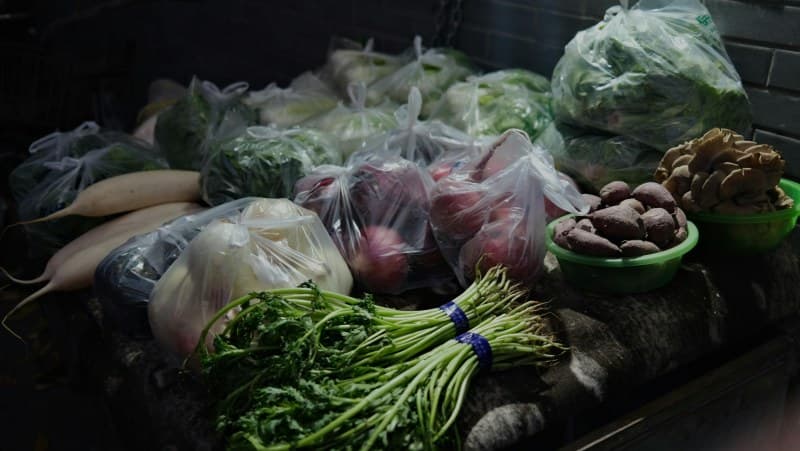
Last week, I grabbed a bunch of crisp spinach, a bag of crunchy carrots, and a pint of juicy strawberries from the market—excited to whip up smoothies and salads all week. But by Wednesday, the spinach was wilted, strawberries had mold spots, and carrots felt soft. Sound familiar? We’ve all wasted produce because we didn’t know the right storage tricks.
Why Does Produce Spoil So Fast?
Most spoilage comes down to three things: ethylene gas (released by some fruits to ripen others), excess moisture (which fuels mold), and wrong temperature. For example, tomatoes left in the fridge lose their flavor and get mushy because they’re sensitive to cold.
6 Science-Backed Methods to Keep Produce Fresh
Below, compare 6 methods to extend your produce’s life—pick the one that fits your needs:
| Method | How It Works | Best For | Pros | Cons |
|---|---|---|---|---|
| Ethylene Absorbers | Small packets that soak up ethylene gas (ripening agent). | Apples, bananas, avocados, berries | Extends life by 2-3x; easy to use. | Needs replacement every 2-3 months. |
| Paper Towel Trick | Place a dry paper towel in produce bags to absorb excess moisture. | Spinach, lettuce, mushrooms | Cheap; reduces mold growth. | Requires changing towels every few days. |
| Root Preservation | Keep roots attached to veggies (e.g., carrots, celery) to slow wilting. | Carrots, celery, green onions | Maintains crispness; no extra tools. | Takes a bit of space to store with roots. |
| Fridge Zoning | Use different fridge sections: coldest for leafy greens, door for condiments (warmer). | All produce | Maximizes shelf life for each type. | Requires reorganizing your fridge. |
| Blanch & Freeze | Boil veggies briefly, then freeze to lock in nutrients. | Broccoli, peas, green beans | Keeps produce for months; retains nutrients. | Takes time to prep. |
| Vacuum Sealing | Remove air from bags to slow oxidation and mold. | Meat, fruits, veggies | Extends life by up to 5x; prevents freezer burn. | Requires a vacuum sealer (costs $50-$100). |
Myths to Stop Believing
- Myth: All produce should go in the fridge. Fact: Tomatoes, potatoes, and onions prefer room temperature—fridge cold ruins their texture and flavor.
- Myth: Wash produce before storing. Fact: Washing adds moisture, which speeds up mold. Wait until right before using.
- Myth: Bananas and apples can be stored together. Fact: Both release high ethylene—they’ll ripen (and spoil) faster.
“Waste not, want not.” — English Proverb
This old saying hits home here. By using these methods, you’re not just saving money—you’re cutting down on food waste, which is a big win for the planet. My friend Sarah started using ethylene absorbers in her fruit bowl and reduced her produce waste by 50% in a month—she even started sharing extra veggies with her neighbors!
Common Questions
Q: Can I store berries in the fridge without a bag?
A: No—berries need to be in a breathable container (like a paper bag or perforated plastic) to prevent moisture buildup. Adding a paper towel inside helps too.
Q: How long can I keep frozen veggies?
A: Blanched frozen veggies last up to 8 months in the freezer. Unblanched ones only last 2-3 months.
Final Tips
Start small: Pick one method this week (like the paper towel trick for leafy greens) and see how it works. Over time, you’ll find what fits your routine. Remember—fresh produce tastes better and is better for you, so it’s worth the extra effort to keep it that way!