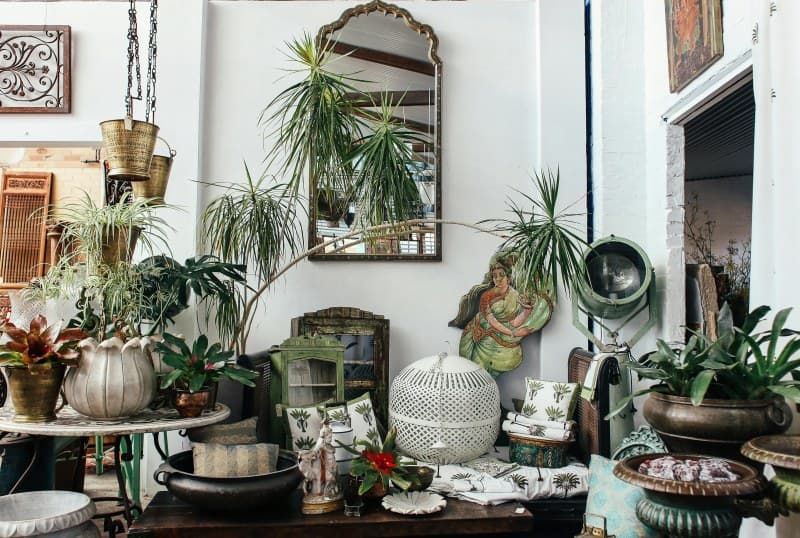
I still remember my first indoor plant—a tiny pothos I grabbed from the grocery store checkout. I watered it every morning, tucked it in a dark corner of my apartment, and waited for it to grow. Instead? Its leaves turned yellow one by one, until all that was left was a sad stem sticking out of the soil. Turns out, I was making three of the most common beginner mistakes. If you’ve ever killed a plant (or worried you will), you’re not alone.
7 Common Indoor Plant Care Mistakes (And Their Fixes)🌿
1. Overwatering (The #1 Killer)
Most new plant parents assume daily watering is best. But for most plants—like pothos, snake plants, or succulents—this is a death sentence. Roots need oxygen to survive; sitting in wet soil causes them to rot.
Fix: Stick your finger into the soil 1–2 inches deep.If it’s dry,there—water. If it’s still damp,wait another day. Use pots with drainage holes to let excess water escape.
2. Wrong Light Placement
Sun-loving plants(succulents,cacti) will die in low light.Shade-tolerant plants(snake plants,ZZ plants) will burn in direct sunlight. Ignoring light needs is a quick way to stress your plant.
Fix: Check the plant’s tag or do a quick search for its light preferences. Place succulents near south-facing windows; snake plants do great in north-facing spots.
3. Ignoring Drainage
Without drainage holes, excess water stays in the pot, leading toroot rot.Even if you water correctly, no drainage means your plant is sitting in a pool.
Fix: Drill holes in plastic pots,or add a 1-inch layer of pebbles at the bottom of the pot before adding soil.This creates a space for excess water.
4. Using the Wrong Soil
Cacti need sandy, fast-draining soil; ferns need moisture-retentive mix. Using generic potting soil for all plants is like wearing sandals to a snowstorm—it doesn’t fit.
Fix: Buy specialized soil for your plant type. Cactus mix for succulents, tropical mix for ferns, and regular potting mix for most other plants.
5. Forgetting to Dust Leaves
Dust builds up on leaves, blocking sunlight and clogging pores. Your plant can’t photosynthesize properly if its leaves are dirty.
Fix: Wipe leaves with a damp cloth once a month. For fuzzy leaves (like African violets), use a soft brush to gently remove dust.
6. Overfertilizing
Too much fertilizer burns roots and causes leaf tip browning. New plants don’t need fertilizer for the first 6 months—they get nutrients from the soil.
Fix: Fertilize only during growing season (spring/summer) with diluted liquid fertilizer. Follow the package instructions—less is more.
7. Moving Plants Too Often
Plants need time to adjust to their environment. Moving them from window to window or room to room stresses them out, leading to leaf drop.
Fix: Pick a spot that fits their light needs and leave it. Only move if you notice clear signs of stress (like brown leaves from too much sun).
Quick Reference Table: Mistakes vs. Fixes
Here’s a handy table to keep track of the key points:
| Mistake | Fix | Impact if Unfixed |
|---|---|---|
| Overwatering | Water only when soil is dry (1-2 inches deep) | Root rot, yellow leaves |
| Wrong Light | Match plant to light source (south for sun lovers, north for shade) | Leggy growth or leaf burn |
| No Drainage | Add pebbles or drill holes in pots | Root rot |
| Wrong Soil | Use specialized soil (cactus mix, tropical mix) | Poor growth, root issues |
| Dusty Leaves | Wipe with damp cloth monthly | Reduced photosynthesis |
| Overfertilizing | Fertilize only in spring/summer with diluted mix | Leaf tip burn, root damage |
| Moving Too Often | Pick a spot and leave it | Leaf drop, stress |
Wisdom for New Plant Parents
The best time to plant a tree was 20 years ago. The second best time is now. — Chinese Proverb
This applies to indoor plants too. Even if you’ve killed a few, it’s never too late to try again. My friend Sarah killed three succulents before she learned to stop overwatering. Now she has a windowsill full of thriving cacti—proof that mistakes are just lessons in disguise.
FAQ: Common Plant Care Question
Q: How do I know if my plant is getting too much or too little light?
A: Signs of too much light: Brown, crispy edges on leaves. Signs of too little light: Leggy growth (long stems with sparse leaves) or pale, yellowish leaves. Adjust the placement until you see new, healthy growth.
Remember, plants are resilient. With a little observation and these fixes, your indoor garden will flourish. Happy planting!🌱