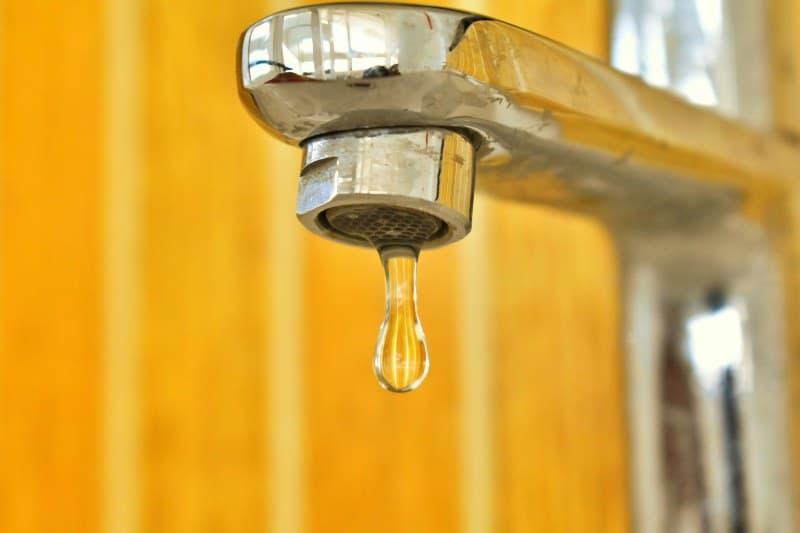
Waking up to the steady drip-drip of a bathroom faucet isn’t just annoying—it’s a waste of water and money. A single drip can waste up to 30 gallons of water a month, and ignoring it might lead to bigger issues like mold or damaged cabinets. But before you pick up the phone to call a plumber (and shell out $100+), try these 6 DIY methods first.
Why Leaky Faucets Happen
Most leaks come from worn-out parts: washers that rub against the valve seat over time, O-rings that break, loose connections, or clogged aerators. The good news? These are usually easy to fix with basic tools.
6 DIY Leaky Faucet Fixes: Comparison Table
Here’s a quick breakdown of each method to help you choose the right one for your faucet:
| Method | Tools Needed | Cost | Pros | Cons |
|---|---|---|---|---|
| Replace Worn Washer | Adjustable wrench, screwdriver, new washer | $1–$5 | Works for most compression faucets; quick fix | Requires shutting off water supply; may need to match washer size |
| Fix O-Ring | Wrench, screwdriver, new O-ring | $2–$6 | Solves leaks from loose handles; simple | O-ring size must be exact |
| Tighten Loose Parts | Wrench, screwdriver | $0 | No cost; takes 5 minutes | Only fixes leaks from loose connections (not worn parts) |
| Replace Cartridge | Wrench, pliers, new cartridge | $10–$30 | Long-term fix for cartridge faucets | Requires finding the right cartridge model |
| Clean Aerator | Screwdriver, vinegar | $0 (uses household items) | Fixes drips from clogged mineral deposits | Only works if aerator is the issue |
| Replace Valve Seat | Valve seat wrench, new seat | $5–$15 | Fixes leaks from corroded seats | Requires more skill; may need to rent a wrench |
My First DIY Faucet Fix: A Quick Story
Last year, my kitchen faucet started dripping nonstop. I was ready to call a plumber until my dad said, “Try replacing the washer first.” I watched a 2-minute YouTube video, grabbed an adjustable wrench and a $2 washer from the hardware store, and shut off the water under the sink. It took 15 minutes to take apart the faucet, swap the washer, and put it back together. The drip stopped immediately—and I saved $120 on a plumber’s visit. I still smile when I think about that win!
Classic Wisdom for DIY Repairs
“An ounce of prevention is worth a pound of cure.” — Benjamin Franklin
This quote rings true for leaky faucets. Fixing a small drip early not only saves water and money but also prevents more expensive repairs down the line. A $2 washer can avoid a $500 bill for water damage to your cabinets.
FAQ: Common Faucet Repair Questions
Q: How do I know which method to use for my faucet?
A: First, identify your faucet type. Compression faucets (with separate hot/cold handles) often need washer or O-ring replacements. Cartridge faucets (single handle) usually require cartridge fixes. If the drip is from the spout, try cleaning the aerator first—mineral buildup is a common culprit.
Final Tips to Remember
Always shut off the water supply before starting any repair (look for the valve under the sink). If you’re unsure about a step, check the faucet’s manual or watch a trusted tutorial. And don’t be afraid to ask for help—hardware store employees are usually happy to give advice. With these methods, you can fix most leaks yourself and feel proud of your DIY skills!