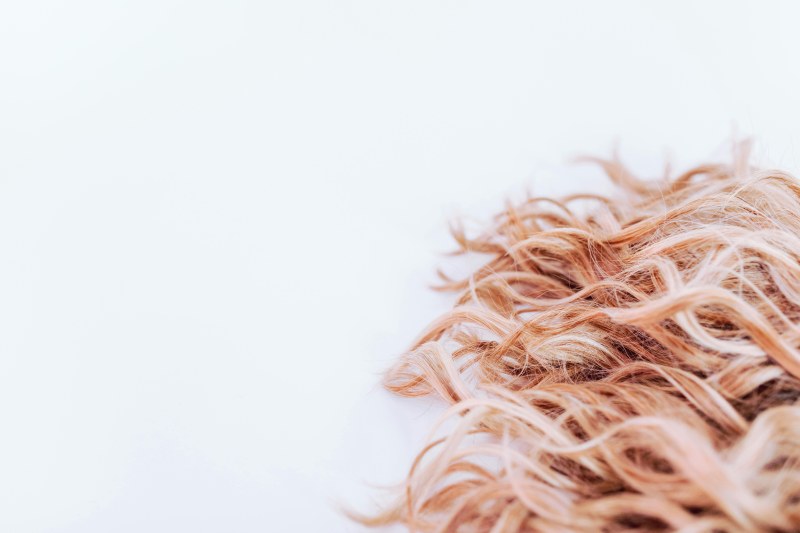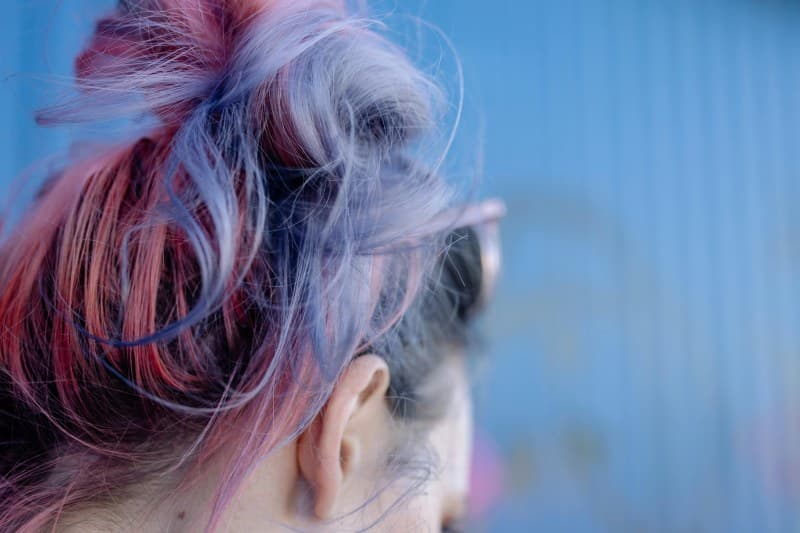
Last winter, my friend Lila’s hair was a disaster—dry, frizzy, and split ends everywhere. She tried every shampoo and conditioner under the sun, but nothing stuck. Then she tried a coconut oil hair mask, left it on for 30 minutes, and the difference was night and day. Her hair felt soft, shiny, and alive again. That’s the magic of hair masks—they’re like a deep conditioning treatment for your locks, but with extra oomph.
What Are Hair Masks, Anyway?
Hair masks are concentrated treatments packed with nourishing ingredients (like oils, butters, or proteins) that penetrate the hair shaft deeper than regular conditioners. They’re designed to address specific hair issues—dryness, damage, frizz, or lack of volume. Unlike conditioners, which you rinse off in a minute or two, masks are meant to sit on your hair for 15-30 minutes to let the ingredients work their magic.
4 Key Benefits of Hair Masks Explained 💆♀️
1. Deep Hydration for Dry Hair
Regular conditioners only coat the hair’s surface, but masks sink in to replenish moisture. Ingredients like shea butter or argan oil lock in hydration, perfect for those with parched locks (like Lila’s winter hair). If you live in a dry climate or use heat styling tools often, this benefit alone makes masks worth the effort.
2. Repairing Damaged Strands
Heat styling, coloring, and environmental stress (like sun or pollution) can break down hair’s protein structure. Masks with keratin or collagen help rebuild those bonds, reducing split ends and brittleness. For anyone who’s ever bleached their hair or used a flat iron daily, this is a game-changer.
3. Taming Frizz & Boosting Shine
Frizz happens when hair lacks moisture and the cuticle (outer layer) is open. Masks with smoothing ingredients like avocado oil or silk proteins seal the cuticle, making hair look sleek and shiny. No more flyaways or dullness—just hair that reflects light and feels smooth to the touch.
4. Adding Volume & Strength
Thin or weak hair can benefit from masks with biotin or wheat protein. These ingredients plump up strands and add strength, so your hair feels thicker and more resilient. If you struggle with hair that falls flat or breaks easily, a volume-boosting mask might be exactly what you need.
Not sure which mask to pick? Here’s a quick guide to match your hair type with the best ingredients:
| Hair Type | Best Mask Ingredients | Key Benefit |
|---|---|---|
| Dry & Frizzy | Shea butter, argan oil, coconut oil | Deep hydration & frizz control |
| Damaged (color/heat) | Keratin, collagen, olive oil | Repair & strength |
| Thin & Limp | Biotin, wheat protein, tea tree oil | Volume & thickness |
| Oily Scalp & Dry Ends | Clay (for scalp), jojoba oil (for ends) | Balance oil production & hydrate ends |
“Self-care is not selfish. You cannot serve from an empty vessel.” — Eleanor Brownn
This quote rings true for hair care too. Taking 20-30 minutes a week to apply a hair mask isn’t just about looking good—it’s about nurturing yourself and your hair. It’s a small act of self-love that pays off in healthier, happier locks.
Common Question: How Often Should I Use a Hair Mask?
Q: I love my hair mask—can I use it every day?
A: Probably not. Overusing masks can weigh down your hair or make it greasy. Most people benefit from using a mask 1-2 times a week. If your hair is extremely dry or damaged, you can use it 3 times a week, but listen to your hair—if it feels heavy or oily, cut back. It’s all about finding the right balance for your unique hair type.
Hair masks are a simple way to give your hair some extra love. Whether you’re dealing with dryness, damage, or just want to boost shine, there’s a mask out there for you. Try one this week—your hair will thank you!