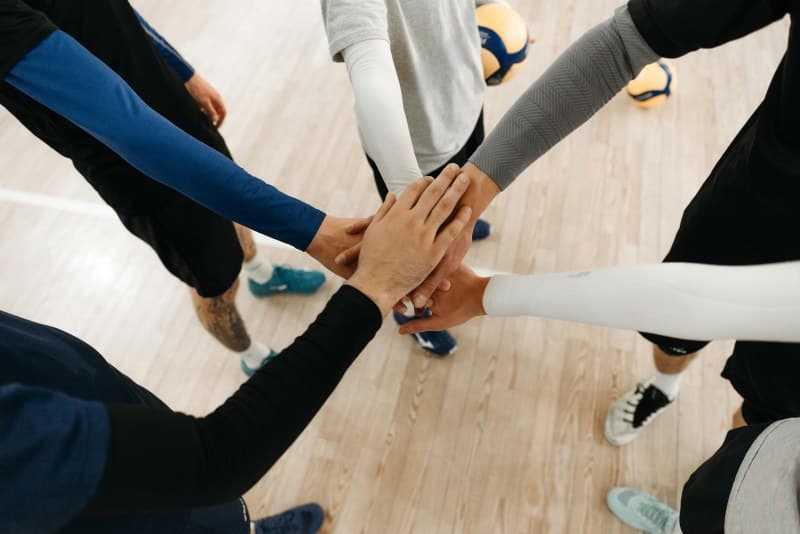
Let’s be real: Walking into a new team sport practice for the first time feels like showing up to a party where you know no one. Sarah, a 28-year-old graphic designer, remembers her first rec soccer practice last year—she stood by the sidelines for 10 minutes, clutching her cleats, too scared to introduce herself. But she tried one small trick: arriving early to chat with the coach. By the end of practice, she’d exchanged numbers with two teammates. If you’re feeling like Sarah, these 6 ways will help you build confidence and fit in fast.
6 Ways to Boost Confidence in a New Team Sport
Each method comes with effort levels, social hacks, and honest pros and cons to help you pick what works for you.
1. Arrive 10 Minutes Early to Connect
Show up a little before practice starts. Use this time to say hi to the coach or teammates who are already there. Even a simple “How’s your week going?” can break the ice.
2. Ask a Veteran Teammate for One Quick Tip
Find someone who’s been on the team for a while and say, “I’m new—any quick advice for the drill today?” Most people love sharing their knowledge, and it’s a natural way to start a conversation.
3. Focus on One Small Skill First
Instead of trying to master everything at once, pick one tiny skill (like passing the ball or catching a frisbee) to nail. When you do it well, it gives you a quick win to build on.
4. Wear Gear That Makes You Feel Good
Whether it’s a favorite pair of socks or a new water bottle with your name on it, wearing something that feels “you” can boost your self-esteem. You don’t need to splurge—even a colorful hair tie works.
5. Join the Pre-Practice Warm-Up Group
When others start stretching or jogging, jump in. Warm-ups are low-pressure, and doing a shared activity helps you feel part of the group without having to talk much.
6. Celebrate Tiny Wins (Even to Yourself)
Did you make a good pass? Catch a ball you thought you’d miss? Take a second to acknowledge it. Positive self-talk goes a long way in building confidence.
Quick Comparison of the 6 Ways
Here’s a side-by-side look to help you choose:
| Way | Effort Level | Key Social Tip | Pros | Cons |
|---|---|---|---|---|
| Arrive Early | Low | Start with small talk about the weather or practice | Easy to do; low pressure | Requires adjusting your schedule |
| Ask for a Tip | Medium | Be specific (e.g., “How do you handle the defense here?”) | Builds rapport; gets useful advice | Might feel awkward at first |
| Focus on One Skill | High | Share your progress with a teammate (e.g., “I nailed that pass!”) | Quick wins boost confidence | Can feel limiting if you want to try more |
| Wear Favorite Gear | Low | Comment on someone else’s gear (e.g., “Cool cleats!”) | Instant confidence boost | Cost if you need to buy new items |
| Join Warm-Up | Medium | Follow others’ lead (e.g., copy their stretches) | Shared activity eases tension | Need to initiate joining the group |
| Celebrate Tiny Wins | Low | Smile or high-five a teammate after a good play | Keeps a positive mindset | Easy to forget in the moment |
What the Experts (and Classics) Say
“Courage is resistance to fear, mastery of fear—not absence of fear.” — Mark Twain
Twain’s words ring true for new team sport players. You don’t have to be fearless to join—you just have to keep showing up, even when you’re nervous. Sarah learned this: After her first practice, she kept arriving early and asking for tips. By the end of the season, she was the one giving advice to new players.
FAQ: Common Concern for New Players
Q: What if I make a mistake in front of everyone?
A: Most teammates are too focused on their own game to notice your small errors. And if they do, they’ll probably relate—everyone has been a beginner. Try laughing off a mistake; it disarms tension and shows you’re human.
Final Thoughts
Joining a new team sport is about more than just playing the game—it’s about making connections and growing. Pick one or two of these ways to try at your next practice. You might be surprised at how quickly you feel like part of the team. Remember: Every pro was once a beginner, too.