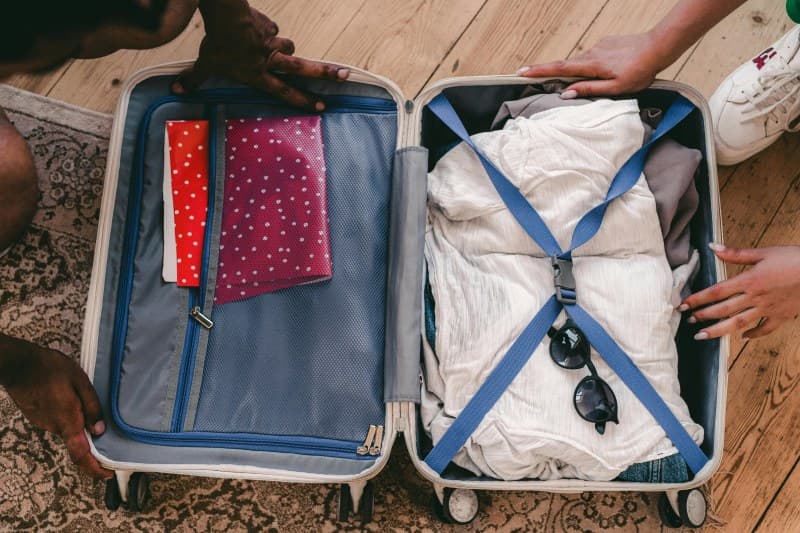
Last summer, I stuffed three pairs of jeans into my suitcase for a five-day beach trip. Why? No clue—they sat untouched while I lived in a swimsuit and a lightweight cover-up. That’s when I realized: packing isn’t one-size-fits-all. The way you pack for a mountain hike should be worlds apart from a weekend city break. Let’s dive into seven strategies that fit every travel style, so you can stop hauling unnecessary weight and start enjoying your trip.
Compare the 7 Packing Strategies
Here’s a quick breakdown of each strategy to help you pick the right one for your next adventure:
| Strategy Name | Travel Style | Effort Level (1-5) | Key Hacks | Pros | Cons |
|---|---|---|---|---|---|
| Capsule Wardrobe | City, Cultural | 3 | Mix-and-match neutral pieces; 5-7 tops/bottoms | Less decision fatigue; saves space | Limited color variety |
| Layered Minimalism | Hiking, Cold Climates | 4 | Base layers + mid layers + waterproof shell; roll clothes | Adaptable to weather; light bag | Requires careful planning |
| Beach Essentials Only | Beach, Tropical | 2 | Swimsuits (2-3), cover-ups, sun hat; travel-sized toiletries | Ultra-light; easy to carry | Not ideal for mixed activities |
| Business Travel Pro | Work Trips | 5 | Wrinkle-resistant fabrics; garment bag; dual-purpose shoes | Professional look; organized | Heavier than casual packing |
| Family-Friendly Bundle | Family Vacations | 4 | Share toiletries; pack reusable bags; roll kids’ clothes | Efficient; less clutter | Requires coordination with family |
| Backpacker’s Minimalism | Backpacking, Budget | 5 | 3-4 outfits; multi-use items (scarf = blanket); travel towel | Easy to move; saves money on baggage fees | Limited wardrobe options |
| Mixed Trip Adaptation | Combined (e.g., beach + city) | 4 | Capsule base + 1-2 specialized items; fold structured pieces | Versatile; fits multiple activities | Requires balancing space and needs |
Why Tailoring Matters
Each travel style has unique demands. For example, a hiking trip needs layers to handle changing weather, while a beach trip calls for lightweight, quick-drying clothes. Tailoring your packing strategy means you won’t end up with items you never use—like my jeans at the beach.
The world is a book, and those who do not travel read only one page. — St. Augustine
This quote reminds me that travel is about experiences, not the stuff we carry. When your bag is light, you can wander more freely, try new things, and focus on the story you’re creating.
Real-Life Example: Hiking vs. Overpacking
My friend Lila went on a seven-day hiking trip in the Rockies. She used the Layered Minimalism strategy: three moisture-wicking base layers, two fleece mid-layers, one waterproof jacket, two pairs of wool socks, and a pair of hiking boots. Her backpack weighed just 15 pounds, so she could hike 10 miles a day without strain.
Another friend, Jake, packed five shirts, three jackets, and a portable speaker for the same trip. His backpack weighed 30 pounds. By day three, he had to leave his extra jacket and speaker at a trailhead because he couldn’t carry them anymore. Lila enjoyed every minute; Jake spent half his time complaining about his bag.
Common Questions Answered
Q: Can I use one strategy for multiple trip types?
A: Yes! For example, the capsule wardrobe works great for city and cultural trips. If you’re mixing beach and city, add a swimsuit and a pair of dress shoes to your capsule base.
Q: Is rolling or folding better for space?
A: Roll soft items like t-shirts and pants to save space and reduce wrinkles. Fold structured items like blazers and dresses to keep their shape.
Final Tips to Pack Smarter
- Make a list: Write down exactly what you need before packing to avoid impulse adds.
- Use travel-sized toiletries: Save space and comply with airline rules.
- Test your bag: Lift it before you leave—if it feels heavy, remove non-essential items.
Packing doesn’t have to be stressful. Pick the strategy that fits your trip, and remember: the best things about travel aren’t in your suitcase—they’re in the moments you create.