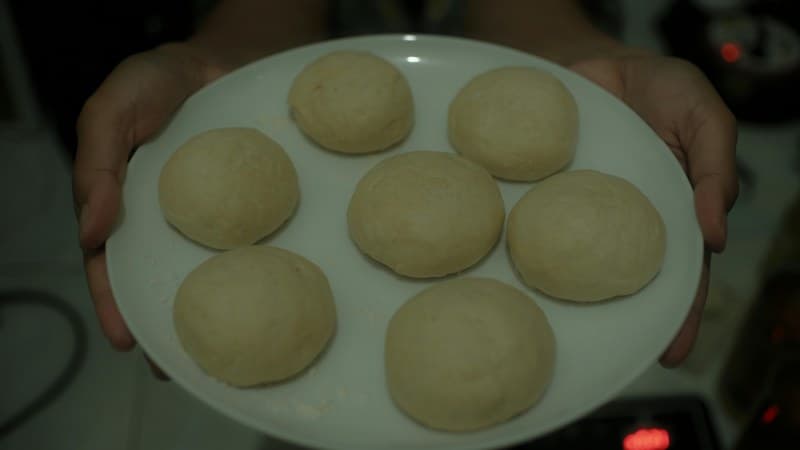
Last weekend, I spent three hours kneading, proofing, and baking a loaf of sourdough. I was so excited to slice into it… until I saw it: dense, compact, and about as fluffy as a brick. Sound familiar? You’re not alone. Dense homemade bread is a common frustration, but it’s fixable.
Why Does Homemade Bread Go Dense?
Two main culprits are usually to blame: underproofing (not letting the dough rise enough) and using the wrong flour or ratio. Let’s break them down.
To understand the difference between underproofed and overproofed (which can also lead to flat loaves), check this quick comparison:
| Aspect | Underproofed Bread | Overproofed Bread |
|---|---|---|
| Appearance | Small, compact loaf; no visible air pockets | Collapsed top; uneven air pockets |
| Texture | Dense, chewy; hard to bite | Gummy, soggy in spots; crumbly |
| Fix | Extend proofing time (15-30 mins more) | Discard and start over (or use for croutons) |
2 Key Fixes for Fluffy Bread
Fix 1: Nail the Proofing Time
Proofing is when the yeast eats sugar and releases gas, making the dough rise. Rushing this step is a common mistake. For example, if you’re using active dry yeast, let the dough rise until it doubles in size—this usually takes 1-2 hours at room temperature (70-75°F/21-24°C). Pro tip: Mark the dough’s height on the bowl with a pen so you can easily tell when it’s doubled.
Fix 2: Use the Right Flour
Bread flour has more protein (12-14%) than all-purpose (10-12%), which helps create gluten— the stretchy network that traps gas and makes bread fluffy. If you only have all-purpose flour, add 1 tablespoon of vital wheat gluten per cup of flour to boost protein. I tried this last week: using all-purpose with gluten added gave my loaf the same lift as bread flour.
“Baking is a science, but it’s also an art. The best bakers are those who are patient and willing to experiment.” — Julia Child
This rings true for bread. Don’t get discouraged if your first few loaves are dense—each mistake teaches you something about your dough.
Quick Q&A
Q: Can I save a dense loaf after it’s baked?
A: Yes! Slice it thin and toast it—dense bread makes great toast or croutons. You can also use it for bread pudding, where the moisture and other ingredients mask the density.
Homemade bread is a labor of love, but with these two fixes, you’ll be making fluffy, airy loaves in no time. Remember: patience is key. Happy baking! 🍞