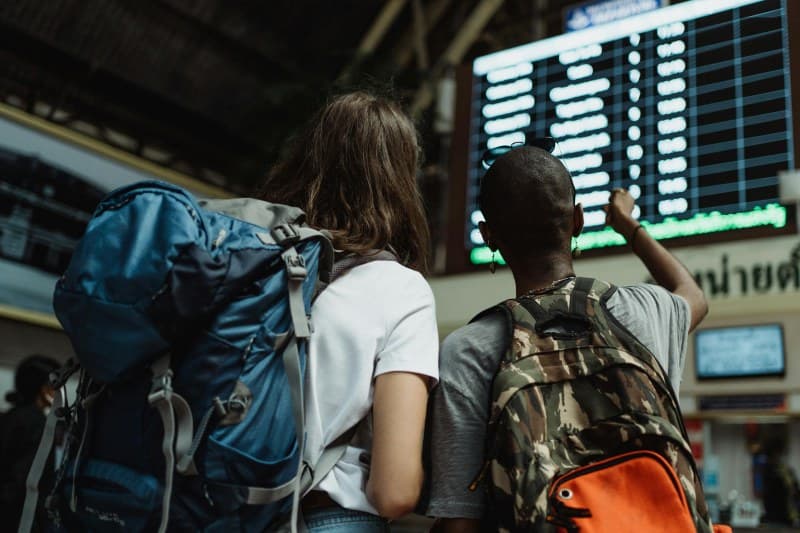
Ever walked through a famous tourist spot and thought, “There’s more to this city than selfies with landmarks?” I felt that way in Tokyo last year—after spending a day at Shibuya Crossing and Senso-ji Temple, I craved something real. A local friend suggested Yanaka, a residential neighborhood with old wooden houses and tiny tea shops. I spent the morning watching elders practice calligraphy in a park and eating matcha parfaits at a 50-year-old family shop. That’s when I realized: experiencing a city like a local isn’t about avoiding tourists—it’s about finding the spaces where locals live, work, and play.
4 Ways to Experience a Tourist City Like a Local
1. Join a Local Workshop or Class
Local workshops are a goldmine for cultural immersion. Whether it’s a Thai cooking class in Bangkok or a pottery workshop in Oaxaca, these activities let you learn from locals while doing something hands-on. For example, in Mexico City, I took a tortilla-making class with a grandmother who’d been making them for 40 years. She taught me to press the dough just right and shared stories about her childhood in the countryside.
Budget tip: Look for community centers or small family-run workshops—they’re often cheaper than tourist-focused ones.
2. Wander Residential Neighborhoods
Skip the downtown crowds and head to residential areas. In Paris, instead of the Champs-Élysées, try Le Marais or Montmartre’s side streets. You’ll find local bakeries, laundromats, and kids playing in parks. I once got lost in a residential area of Seoul and stumbled upon a street food stall where locals were eating tteokbokki (spicy rice cakes) after work. The vendor gave me an extra serving when I tried to order in broken Korean—small moments like that make travel memorable.
3. Eat at Family-Run Hole-in-the-Wall Spots
Tourist traps serve generic food, but family-run spots serve what locals actually eat. In Rome, I avoided the trattorias near the Colosseum and followed a local’s recommendation to a tiny pasta shop in Trastevere. The owner, Signora Maria, made fresh carbonara with eggs from her backyard chickens. It was the best pasta I’ve ever had—and half the price of tourist spots.
4. Use Local Public Transport & Follow the Crowd
Instead of taking taxis or tour buses, use the subway or bus. In London, I took the Tube to a neighborhood I’d never heard of—Camden Town—and followed a group of locals to a street market with vintage clothes and street food. Public transport not only saves money but also lets you see parts of the city most tourists miss.
Comparison of the 4 Ways
Here’s a quick breakdown to help you choose the best method for your trip:
| Method | Budget | Time Required | Pros | Cons |
|---|---|---|---|---|
| Local Workshop | Medium | 2-3 hours | Hands-on learning, direct interaction with locals | Requires advance booking |
| Wander Residential Areas | Low | 1-4 hours | Flexible, no planning needed | May get lost (but that’s part of the fun!) |
| Family-Run Eats | Low-Medium | 30 mins-1 hour | Authentic food, affordable prices | May have language barriers |
| Public Transport Exploration | Low | 2-5 hours | Saves money, sees hidden areas | Can be crowded during peak hours |
A Classic Quote About Travel
“The world is a book, and those who do not travel read only one page.” — St. Augustine
This quote reminds us that travel isn’t just about visiting places—it’s about diving deep into their stories. Local experiences turn a page in the book into a chapter you’ll never forget.
FAQ: Common Question About Local Travel
Q: Do I need to speak the local language to experience a city like a local?
A: No! While basic phrases help, many locals are happy to communicate with gestures or simple English. Apps like Google Translate can help with menus or directions. The key is to be curious and open—locals appreciate the effort even if your language skills are limited.
Next time you visit a tourist city, try one of these methods. You’ll leave with more than photos—you’ll have stories that make your trip feel truly unique.