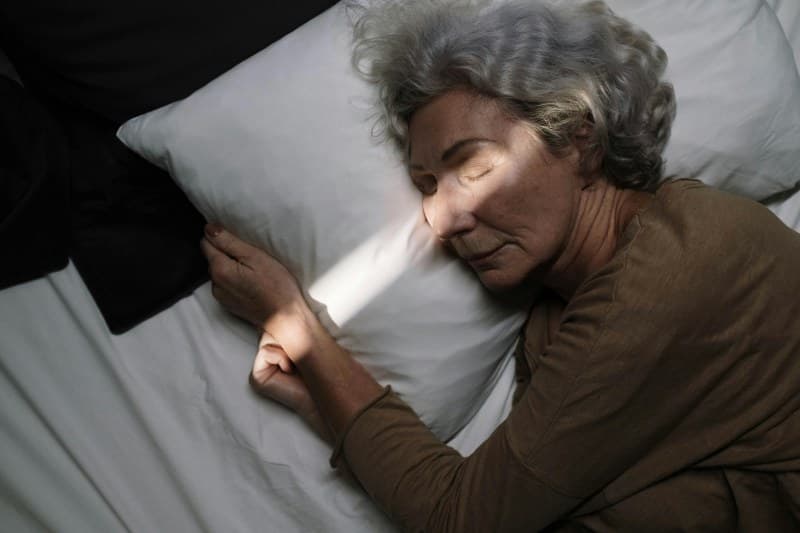
Sarah scrolls through her phone until 11 PM every night, then lies awake for an hour staring at the ceiling. She blames the blue light from her screen for her poor sleep—but is that the whole story? Many of us hold onto sleep myths that affect how we rest, so let’s separate fact from fiction.
The Blue Light Myth: What’s Actually True?
Blue light from screens does suppress melatonin, the hormone that regulates sleep. But it’s not the only culprit. The content you consume (like a heated social media debate or a work email) can stimulate your brain, making it harder to wind down. So it’s a combination of light and mental engagement that disrupts sleep—not just blue light alone.
4 Common Sleep Myths Debunked
Let’s break down four persistent sleep myths and their real-world truths:
| Myth | The Truth |
|---|---|
| Blue light from screens is the main cause of poor sleep. | It’s a mix of blue light and stimulating content (e.g., social media, work). Dimming screens or using filters helps, but avoiding engaging content is more impactful. |
| Everyone needs exactly 8 hours of sleep nightly. | Most adults need 7-9 hours, but individual needs vary. Some people function well on 6 hours, while others need 10. |
| Napping during the day ruins nighttime sleep. | Short naps (20-30 minutes) boost energy without disrupting night sleep. Long naps (over an hour) can make it harder to fall asleep at night. |
| Counting sheep helps you fall asleep quickly. | This myth has no scientific backing. Focusing on calming, visual images (like a peaceful beach) is more effective for relaxation. |
"Early to bed and early to rise, makes a man healthy, wealthy, and wise." — Benjamin Franklin
Franklin’s words highlight the importance of a consistent sleep schedule, not just the number of hours. Going to bed and waking up at the same time every day (even on weekends) helps regulate your body’s internal clock, leading to better sleep quality.
Sarah’s Sleep Turnaround
Sarah decided to test the myths. She stopped scrolling social media 1 hour before bed and switched to reading a physical book. She also started taking 20-minute naps at lunch. Within a week, she noticed she fell asleep 15 minutes faster and woke up feeling more rested. The key? She addressed both the blue light and the stimulating content, plus added a short nap to boost her energy during the day.
FAQ: Your Sleep Questions Answered
Q: How long before bed should I avoid screens?
A: Most experts recommend 30-60 minutes. If you can’t step away, use blue light filters or dim your screen. Also, avoid content that makes you feel anxious or excited—stick to calm activities like reading or listening to soft music.
Simple Tips for Better Sleep
- Stick to a schedule: Go to bed and wake up at the same time daily.
- Create a calm routine: Try reading, taking a warm bath, or practicing deep breathing before bed.
- Optimize your bedroom: Keep it cool (60-67°F/15-19°C), dark, and quiet. Use blackout curtains or a white noise machine if needed.
- Limit caffeine: Avoid coffee, tea, or energy drinks after 2 PM.
Sleep is a personal journey, and what works for one person might not work for another. By debunking these myths, you can make informed choices to improve your rest and wake up feeling refreshed.