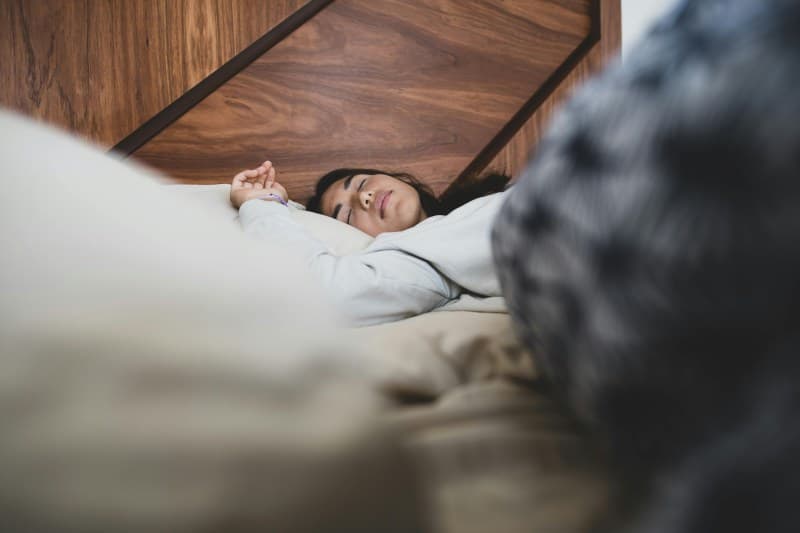
Ever tossed and turned at night, staring at the ceiling while streetlights glow through your window or the hum of a distant AC unit keeps you awake? Sarah, a freelance graphic designer, knows that feeling all too well. Her small apartment bedroom doubled as her workspace—laptop on the nightstand, papers scattered on the bed, and thin curtains that let in every bit of city light. She tried everything from herbal teas to meditation, but nothing stuck until she made a few tiny, budget-friendly changes to her room. Within a week, she was falling asleep 30 minutes faster and waking up less groggy. Turns out, your sleep environment is more powerful than you think.
Why Your Bedroom Matters for Sleep
Sleep experts say that your bedroom should be a sanctuary for rest. Our bodies respond to cues like light, temperature, and noise to regulate the circadian rhythm—the internal clock that tells us when to sleep and wake. A room that’s too bright, warm, or cluttered can throw this rhythm off, leading to poor sleep quality even if you’re in bed for 8 hours.
7 Budget-Friendly Ways to Create a Sleep-Friendly Bedroom
You don’t need to splurge on a fancy mattress or expensive decor to make your room sleep-ready. Here are 7 ways to transform your space without breaking the bank, with details on effort, cost, and what works best for different lifestyles:
| Way | Effort Level | Cost | Pros | Cons |
|---|---|---|---|---|
| Blackout Curtains | Low (hang with rods) | $15–$30 | Blocks street light, reduces noise slightly | May look bulky in small rooms |
| White Noise App/Machine | Very Low (download app or plug in) | Free (app) / $20–$40 (machine) | Masks background noise (traffic, neighbors) | Machine may take up space; app uses phone battery |
| Fan for Temperature Control | Low (plug in and adjust) | $10–$25 | Cools room (ideal for hot sleepers), adds gentle noise | May dry out air in winter |
| Declutter Bed Area | Medium (sort and store items) | Free (use existing storage) | Reduces mental clutter, separates work from rest | Takes time to maintain |
| Dim Night Lights | Low (swap bulbs or add string lights) | $5–$15 | Soft light for midnight trips, doesn’t disrupt sleep | Too many lights can still affect circadian rhythm |
| Budget Bedding (Microfiber) | Low (replace sheets/pillows) | $20–$40 | Soft, hypoallergenic, easy to wash | May not be as breathable as cotton for some |
| Calming Plants (Snake Plant/Lavender) | Medium (water and place) | $10–$20 per plant | Purifies air, adds natural calm (lavender has soothing scent) | Requires regular care (watering, sunlight) |
A Classic Wisdom on Sleep
“Early to bed and early to rise makes a man healthy, wealthy, and wise.” — Benjamin Franklin
Franklin’s famous line isn’t just about timing—it’s about creating a routine that supports rest. A sleep-friendly bedroom helps you stick to that routine by signaling to your body that it’s time to wind down. Sarah, for example, started going to bed 15 minutes earlier after installing blackout curtains, and she noticed her productivity (and mood) improved during the day.
Common Question: Do I Need to Do All 7?
Q: I don’t have time or money to try all these—will just one change help?
A: Absolutely! Even small adjustments can make a big difference. Sarah’s first change was blackout curtains, and that alone cut her time to fall asleep in half. Pick one that addresses your biggest issue (like noise or light) and start there.
Creating a sleep-friendly bedroom doesn’t have to be complicated or expensive. The key is to focus on the cues that matter most to your body—whether it’s blocking light, reducing noise, or keeping your space clutter-free. Try one or two of these ways this week, and see how your sleep quality changes. After all, a good night’s rest is the foundation of a healthy, happy day.