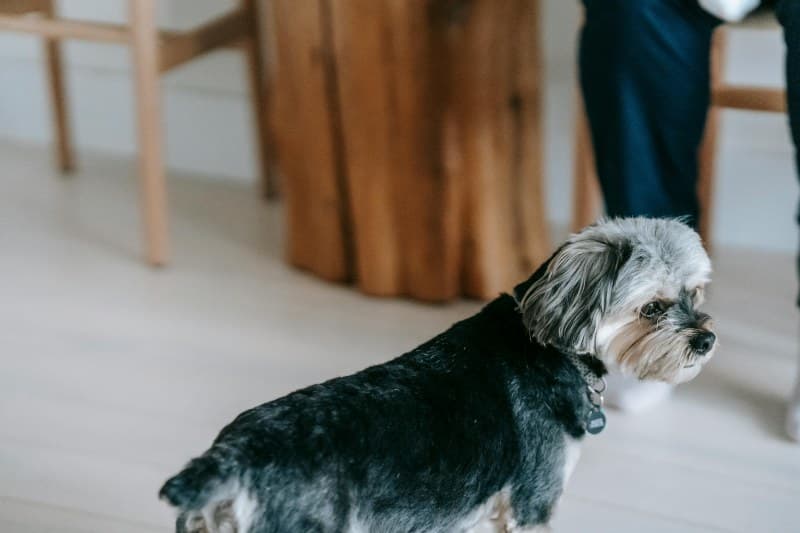
Last summer, my golden retriever Max decided my tomato plants were his new favorite digging spot. I spent weeks replanting, only to find him back at it—dirt everywhere, leaves chewed, and my harvest dreams dashed. That’s when I realized: I needed a garden bed that worked for both of us—something he couldn’t dig into, and something safe if he decided to nibble a leaf. After testing a handful of ideas, I found 7 ways to make pet-friendly DIY garden beds that actually work.
Why Pet-Friendly Garden Beds Are a Win-Win 🌿🐾
Pet-friendly garden beds aren’t just about protecting your plants—they’re about keeping your furry friends safe too. Many common garden plants (like lilies, tulips, or daffodils) are toxic to dogs and cats. A well-designed bed can keep pets away from harmful greenery while giving your veggies and flowers a safe space to grow. Plus, it stops the frustration of coming home to a dug-up garden every day.
7 DIY Pet-Friendly Garden Bed Options: A Comparison
Here’s a breakdown of the 7 methods I tried, with details on materials, cost, and how pet-safe each is:
| Method | Materials Needed | Cost Range | Pet Safety Level | Pros | Cons |
|---|---|---|---|---|---|
| Raised Bed with Chicken Wire Base | Untreated lumber, chicken wire, soil, screws | $50–$100 | High (prevents digging) | Durable, renter-friendly if on legs, keeps pets out | Requires basic assembly, heavier to move |
| Heavy Container Garden | Large pots, stones (for weight), soil, pet-safe plants | $30–$80 | Medium (prevents tipping) | Portable, easy to set up, great for small spaces | Limited growing space, may need frequent watering |
| Vertical Fence Garden | Hanging planters, fence hooks, soil, pet-safe plants | $40–$90 | High (out of pet reach) | Saves floor space, adds visual interest | Needs regular watering, depends on fence access |
| In-Ground Bed with Stone Edging | Bricks/stones, soil, pet-safe plants | $20–$60 | Medium (deters digging) | Low cost, natural look | May not stop determined diggers, permanent |
| Untreated Pallet Garden | Untreated pallets, soil, liners, pet-safe plants | $10–$30 | High (safe materials) | Recycled, budget-friendly, easy to customize | Small growing area, pallets may degrade over time |
| Window Box Garden | Window boxes, brackets, soil, pet-safe plants | $25–$70 | High (out of reach) | Easy to maintain, great for renters | Limited to window space, small harvests |
| PVC Pipe Raised Bed | PVC pipes, connectors, soil, pet-safe plants | $40–$85 | High (non-toxic) | Lightweight, renter-friendly, easy to assemble | Less durable than wood, may not support heavy soil |
Pro Tips for Success 💡
- Choose pet-safe plants: Opt for marigolds, sunflowers, basil, or mint—all non-toxic to dogs and cats.
- Secure raised beds: If your pet is a persistent digger, anchor raised beds to the ground with stakes.
- Add mulch: Cedar chips or pine straw can deter digging and add a nice look to your bed.
- Keep water nearby: Place a pet water bowl near the garden so your furry friend doesn’t drink from plant pots.
A Classic Wisdom Check
"Dogs are not our whole life, but they make our lives whole." — Roger Caras
This quote reminds us that our pets are part of our home, so our garden should be a space where they feel welcome too. By choosing pet-friendly beds, we’re not just protecting our plants—we’re creating a shared outdoor space that both we and our furry friends can enjoy.
FAQ: Common Concern
Q: Can I use treated wood for my raised bed?
A: No, treated wood contains chemicals like arsenic that are toxic to pets if ingested. Stick to untreated cedar or redwood—they’re naturally resistant to rot and safe for your furry friends.
Creating a pet-friendly garden bed doesn’t have to be complicated or expensive. Whether you go for a raised bed with chicken wire or a vertical fence garden, the key is to prioritize both your plants and your pet’s safety. With these 7 methods, you can have a thriving garden and a happy pet—no more digging up tomato plants (looking at you, Max!).