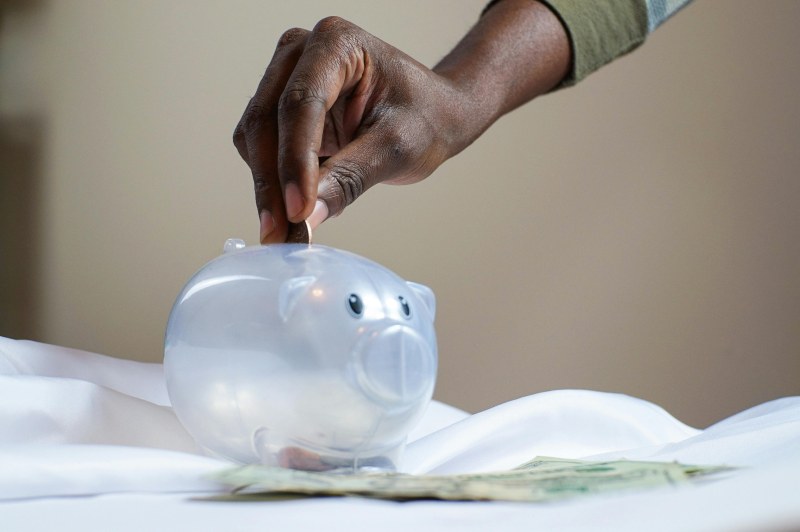
Let’s start with Sarah: she earns $60k a year, pays her bills on time, and yet can’t seem to save a dime. Every month, her paycheck vanishes into coffee runs, impulse buys, and “just this once” treats. Why? It’s not that she’s bad with math—it’s that her brain is wired to prioritize immediate gratification over future goals. Understanding the psychology of saving helps you work with your brain, not against it.
7 Psychological Biases That Impact Saving 📊
These hidden biases often derail even the best-intentioned saving plans. Here’s how they work and how to counter them:
| Bias Name | What It Means | How It Hurts Saving | Quick Fix |
|---|---|---|---|
| Present Bias | Valuing today’s rewards more than future ones. | You skip saving to buy a new phone now instead of building an emergency fund. | Visualize your future goal (e.g., a down payment for a home) daily. |
| Anchoring Effect | Fixating on an initial number (like a salary or price tag). | You think you “can’t save” because you earn less than a friend who saves $500/month. | Start with a small, achievable amount (even $10/month) instead of comparing. |
| Loss Aversion | Fearing loss more than enjoying gains. | You avoid moving money to savings because it feels like “losing” access to it. | Label savings accounts (e.g., “Vacation Fund”) to see it as an investment, not a loss. |
| Mental Accounting | Treating money differently based on its source. | You splurge on a bonus but skimp on regular savings. | Automatically transfer 10% of any windfall to savings before spending. |
| Status Quo Bias | Resisting change in your financial habits. | You keep using the same bank account even if it has no interest. | Set a monthly “financial check-in” to adjust your savings plan. |
| Hyperbolic Discounting | Preferring small immediate rewards over larger future ones. | You buy a $5 coffee every day instead of saving that $150/month for a trip. | Use a “delay gratification” rule: wait 24 hours before making non-essential purchases. |
| Confirmation Bias | Seeking info that supports your spending choices. | You follow influencers who promote “treat yourself” culture instead of saving tips. | Unsubscribe from marketing emails and follow personal finance accounts. |
Debunking Common Saving Myths 💡
Let’s bust three myths that hold people back:
- Myth 1: You need a lot to start saving. No—even $5/month adds up to $60 a year, plus interest. Sarah started with $20/month and now saves $50.
- Myth 2: Saving means no fun. Wrong—budget 5-10% of your income for “fun” expenses. This way, you don’t feel deprived.
- Myth3: Automatic saving is lazy. It’s smart! Automating transfers removes willpower from the equation, so you don’t have to think about it.
Practical Tips to Build Saving Habits
Here are 7 actionable steps to turn psychology to your advantage:
- Automate transfers: Set up a monthly transfer from checking to savings right after payday.
- Use micro-savings apps: Apps like Acorns round up purchases to the nearest dollar and save the difference.
- Visualize goals: Keep a photo of your goal (e.g., a beach trip) on your phone to stay motivated.
- Reward milestones: When you hit a savings goal (like $500), treat yourself to a small reward (e.g., a movie night).
- Avoid temptation: Uninstall shopping apps and unsubscribe from store newsletters.
- Track progress: Use a spreadsheet or app to see how your savings grow over time.
- Start small: Even $10/month is better than nothing—you can increase it later.
“An investment in knowledge pays the best interest.” — Benjamin Franklin
This quote rings true for saving: Understanding your psychological biases is an investment in your financial future. When you know why you struggle to save, you can fix it.
FAQ: I struggle with willpower—how can I make saving easier?
Q: I know I should save, but I always end up spending the extra money. What can I do?
A: The best way to beat willpower issues is to remove the decision. Set up automatic transfers from your checking to savings account right after payday. This way, the money is gone before you have a chance to spend it. You can also use apps that round up purchases to the nearest dollar and transfer the difference to savings (like Acorns or Chime).
Saving isn’t just about math—it’s about understanding your brain. By recognizing your biases, debunking myths, and using practical tips, you can build habits that last. Sarah now has $1,200 in her vacation fund and is planning her trip next summer. You can too.