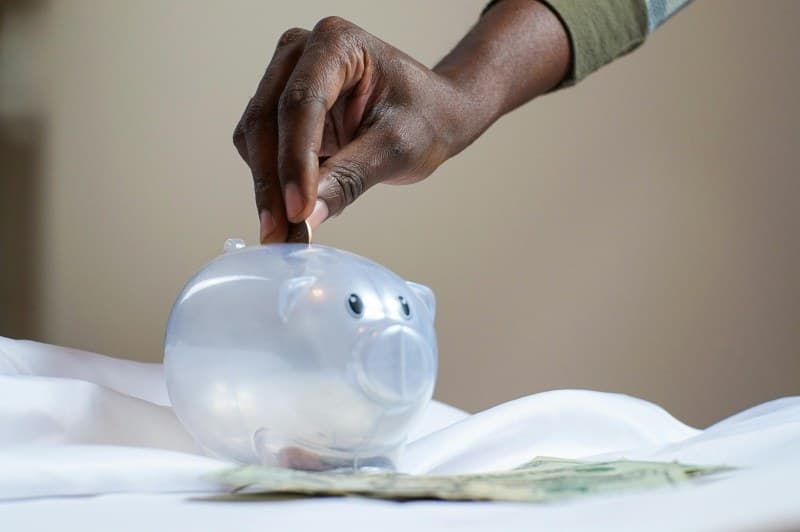
Last year, my friend Lila realized she was spending $4 every morning on a latte. She did the math: that’s $120 a month, $1440 a year. For someone living on a tight budget, that was a wake-up call. But she didn’t want to give up her morning ritual—so she found ways to cut that cost without feeling like she was missing out. That’s the key to saving on small daily purchases: it’s not about deprivation, it’s about smart swaps.
1. Swap & Substitute (Low Effort, High Impact) 💡
Instead of buying expensive versions of things you use daily, swap them for cheaper alternatives that still bring joy. For example, Lila started making her latte at home with a $10 milk frother and store-brand coffee. She saved $3 per day, and still got her morning pick-me-up. Other swaps: switch from bottled water to a reusable bottle, or from restaurant lunches to homemade meals (even simple sandwiches work).
2. Batch Buy Smartly (Medium Effort, Long-Term Savings 🛒)
Batch buying non-perishable items or things you use often can cut costs. Think: buying snacks in bulk instead of individual packs, or toiletries when they’re on sale. Just make sure you’re not buying more than you’ll use—wasting food or products cancels out the savings. For example, if you love granola bars, buying a box of 20 instead of 2-packs saves you 30% on average.
3. Digital Tracking with a "No-Spend Challenge" Twist (High Effort, Habit-Building 📱)
Use apps like Mint or YNAB to track small purchases, then set a weekly "no-spend" day for non-essential items. For example, every Wednesday, skip buying that snack from the vending machine or the impulse Amazon purchase. Over time, this builds awareness of your spending habits. My cousin tried this: she found she was spending $20 a week on random snacks, so she set a no-snack day and saved $80 a month.
To help you pick the right method, here’s a comparison:
| Method | Effort Level | Short-Term Impact | Long-Term Savings | Pros | Cons |
|---|---|---|---|---|---|
| Swap & Substitute | Low | Immediate savings | High (consistent over time) | Easy to start, no major lifestyle changes | May require small upfront costs (like a frother) |
| Batch Buy Smartly | Medium | Delayed (needs planning) | Medium to High | Saves time and money on repeat purchases | Risk of overbuying and waste |
| Digital Tracking + No-Spend Days | High | Slow (builds habits) | High (changes behavior long-term) | Builds awareness of spending patterns | Requires consistent effort to maintain |
"Little drops of water, little grains of sand, make the mighty ocean and the pleasant land." — Julia Carney
This proverb sums up why small savings matter. Every $2 snack or $5 coffee adds up to big numbers over time. For example, $3 daily savings on coffee equals $1095 a year—enough for a round-trip flight or a new phone.
Common Question: Does Cutting Small Purchases Really Make a Difference? 🤔
Q: I don’t spend much on small things—will this still help?
A: Yes! Even tiny amounts add up. If you spend $1 on a candy bar every day, that’s $365 a year. Redirecting that to savings can help you reach a goal like a new laptop or a weekend trip. The key is consistency.
You don’t have to try all three methods at once. Pick one that fits your lifestyle—like swap & substitute if you’re short on time, or batch buying if you love planning. Over time, these small changes will add up to big savings.