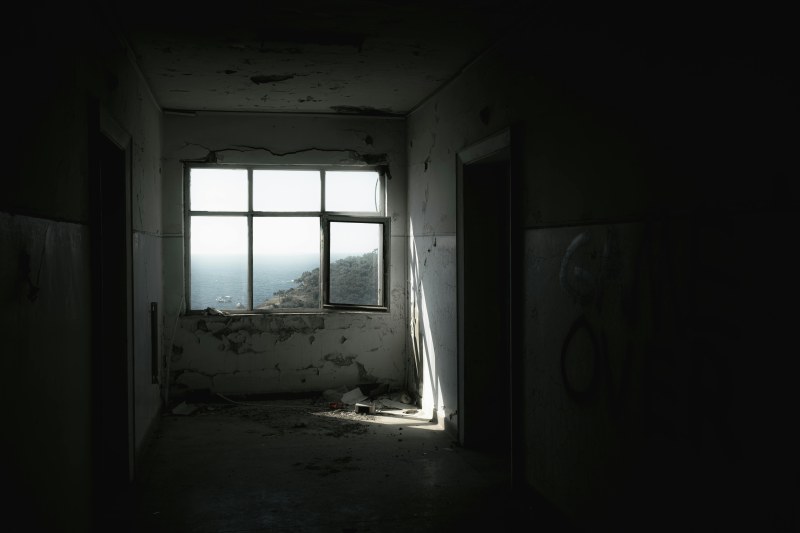
Maria’s eyes fluttered open at 2:17 AM, the glow of her phone clock casting a blue hue on her ceiling. Her mind immediately jumped to the project deadline looming in three days—did she send that email? Did she remember to include the client’s feedback? She tossed and turned, counting sheep until the sun peeked through the curtains. If this sounds familiar, you’re not alone: stress and sleep are deeply intertwined, and one often throws the other off balance.
Two Key Pathways: How Stress Disrupts Sleep
Stress doesn’t just make you feel anxious—it physically changes how your body prepares for rest. Let’s break down the two main ways it messes with your sleep cycle:
| Pathway | What Happens | Impact on Sleep |
|---|---|---|
| Cortisol Dysregulation | Normally, cortisol levels rise in the morning to wake you up and drop in the evening to signal sleep. Stress can reverse this, spiking cortisol at night. | Delays falling asleep; cuts short deep, restorative sleep stages. |
| Hyperarousal State | Stress activates the brain’s "fight-or-flight" response, keeping it alert even when you’re trying to relax. | Frequent nighttime wake-ups; light, unrestful sleep that leaves you tired the next day. |
Common Myths About Stress and Sleep (Debunked)
Let’s clear up some misconceptions that might be making your sleep worse:
Myth: A nightcap helps with stress-induced insomnia
While alcohol might make you drowsy at first, it disrupts your sleep cycle later in the night. It reduces REM sleep (the deep, dreamy stage that helps with memory and mood) and can cause frequent awakenings. Skip the wine—try herbal tea instead.
Myth: If I can’t sleep, I should stay in bed until I do
Staying in bed when you’re wide awake trains your brain to associate bed with frustration, not rest. If you can’t fall asleep after 20 minutes, get up and do a calm activity (like reading a physical book) until you feel sleepy.
Simple Fixes to Break the Stress-Sleep Cycle
You don’t need fancy gadgets or expensive treatments to improve your sleep when stressed. Try these small, actionable steps:
- 💡 Write down your worries: Before bed, jot down all the things on your mind. This "brain dump" helps your brain let go of them for the night.
- 💆 10-minute breathing exercise: Inhale for 4 counts, hold for 4, exhale for 6. This activates your body’s relaxation response, lowering cortisol levels.
- 🌙 Stick to a sleep schedule: Go to bed and wake up at the same time every day (even on weekends). This helps regulate your body’s internal clock.
A Word on Rest and Stress
"Rest is not idleness, and to lie sometimes on the grass under trees on a summer's day, listening to the murmur of the water, or watching the clouds float across the sky, is by no means a waste of time." – John Lubbock
Lubbock’s words remind us that rest isn’t a luxury—it’s a necessity. When we take time to relax, we reduce stress, which in turn helps us sleep better. It’s a cycle that works both ways: better sleep reduces stress, and less stress improves sleep.
FAQ: Your Stress and Sleep Questions Answered
Q: Can short-term stress lead to long-term sleep problems?
A: Short-term stress (like a work deadline or a big event) usually doesn’t cause permanent issues if you address it quickly. But if stress becomes chronic (lasting months), it can lead to insomnia or other sleep disorders. The key is to break the cycle early with the tips above.