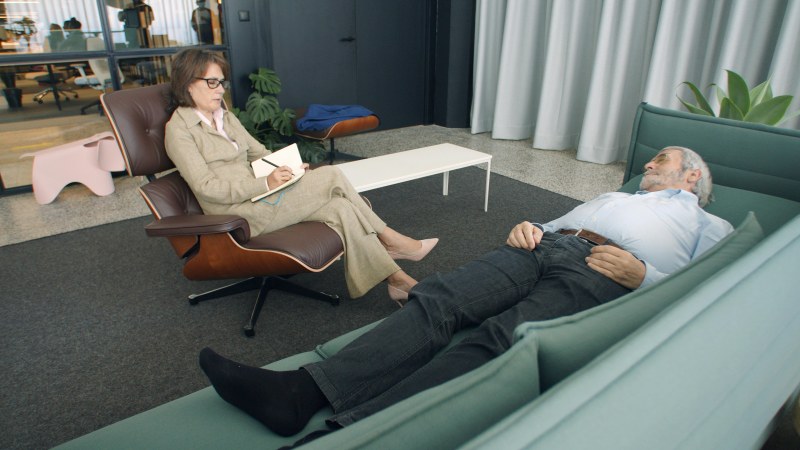
Last week, I found myself staring blankly at my laptop at 2 PM, coffee in hand but brain still foggy. I’d stayed up late finishing a project, and the afternoon slump hit harder than usual. Instead of chugging another cup, I tried a 20-minute nap. When I woke up, my focus was back, and I crushed the rest of my work. That experience made me curious: what’s really going on when we nap? And why do some naps leave us groggy while others energize?
6 Surprising Things About Napping
1. The 20-Minute Sweet Spot 🍯
Most experts agree: a 20-minute nap is the perfect length for a quick energy boost. It’s short enough to avoid entering deep sleep (which can leave you feeling groggy for hours) but long enough to refresh your brain. Think of it as a “power nap” — ideal for beating that midday slump without disrupting your nighttime sleep.
2. Naps Boost Creativity 🎨
Ever woken up from a nap with a sudden solution to a problem? You’re not alone. A study from the University of California found that napping helps your brain make connections between ideas you might have missed while awake. For example, a graphic designer I know was stuck on a logo layout for hours. After a 15-minute nap, she woke up with the exact color scheme and font combination she’d been searching for.
3. Naps Lower Stress Levels 🧘
When you nap, your body’s cortisol levels (the stress hormone) drop. This helps you feel calmer and more relaxed. A 2019 study in the Journal of Clinical Endocrinology & Metabolism found that regular napping reduced stress markers in participants who worked high-pressure jobs.
4. Longer Naps (90 Mins) Improve Memory 🧠
If you have time for a longer nap (around 90 minutes), you’ll cover a full sleep cycle. This includes deep sleep and REM sleep, which are key for consolidating memories. Students often use 90-minute naps before exams to help retain information they’ve studied.
5. Napping Is Good for Heart Health ❤️
Several studies link regular napping to a lower risk of heart disease. A 2020 study in the European Journal of Preventive Cardiology found that people who napped 30 minutes a day had a 37% lower risk of heart attack or stroke compared to non-nappers.
6. Your Age Affects Nap Needs 👶👵
Kids and older adults nap more because their sleep cycles are different. Toddlers need 1-2 naps a day to support their growth, while older adults often nap to make up for lighter nighttime sleep. Young adults and middle-aged people usually need the least amount of napping — but that doesn’t mean they can’t benefit from it.
Napping Myths: What’s True, What’s Not?
Let’s clear up some common misconceptions about napping with this quick table:
| Myth | Reality |
|---|---|
| Napping makes you lazy. | Napping is a productivity tool — many successful people (like Einstein and Tesla) napped regularly to stay sharp. |
| You should nap at any time of day. | Napping after 3 PM can disrupt nighttime sleep for most people. Stick to early afternoon for best results. |
| All naps are the same. | Duration matters: 20 mins for energy, 90 mins for memory, and 30 mins may cause grogginess (since it’s in the middle of a sleep cycle). |
A Timeless Thought on Rest
“Rest is not idleness, and to lie sometimes on the grass under trees on a summer's day, listening to the murmur of the water, or watching the clouds float across the sky, is by no means a waste of time.” — John Lubbock
Lubbock’s words remind us that rest — including napping — isn’t a luxury. It’s a way to recharge our minds and bodies, so we can be more present and productive when we’re awake.
FAQ: Is Napping Bad for Nighttime Sleep?
Q: I love napping, but I worry it will make me stay up late. Should I stop?
A: Not necessarily! The key is to keep naps short (20–30 mins) and avoid napping after 3 PM. If you still have trouble sleeping at night, try adjusting your nap time or duration. For example, if you nap at 4 PM and can’t fall asleep until 11 PM, shift your nap to 2 PM instead. Most people find that a well-timed nap doesn’t interfere with their nighttime rest.
Quick Tips to Make Your Nap Count 💡
- Set an alarm: Don’t oversleep and enter deep sleep (which leads to grogginess).
- Find a dark, quiet spot: Use an eye mask or white noise app if needed.
- Keep it cool: A slightly cool room (around 68°F/20°C) helps with sleep quality.
- Avoid heavy meals before napping: A full stomach can make it hard to fall asleep quickly.
Napping isn’t just for kids or lazy afternoons. It’s a science-backed way to boost your energy, creativity, and overall well-being. Next time you feel that afternoon slump, skip the extra coffee and give a short nap a try — your body and brain will thank you.