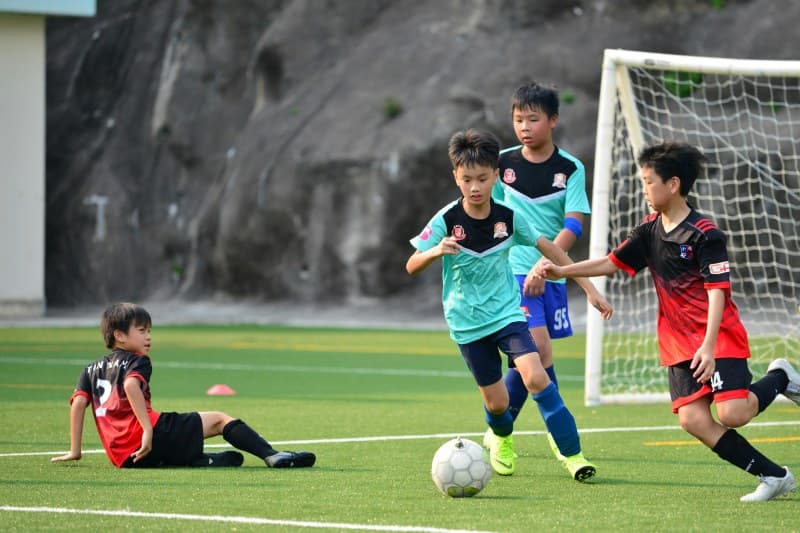
Ever watched a pickup basketball game where a group of friends who barely practice beats a team of more skilled players? Chances are, team chemistry was the secret sauce. It’s not just about talent—it’s how players connect, communicate, and trust each other that turns good teams into great ones. Let’s break down how this magic works, plus the myths that hold teams back and simple ways to build it.
What Is Team Chemistry, Anyway?
Team chemistry is the invisible glue that binds players together. It’s the unspoken understanding when a soccer player knows exactly where their teammate will pass the ball, or the way a volleyball team rallies after a bad play without pointing fingers. It’s about feeling safe to take risks, knowing your teammates have your back.
6 Key Factors That Drive Team Chemistry
Chemistry doesn’t happen by accident. Here are the six core elements that make it work:
| Factor | Description | Impact Level |
|---|---|---|
| Communication | Clear, open talks (on and off the field) about goals, mistakes, and needs. | High |
| Trust | Believing teammates will do their job and support you when things go wrong. | High |
| Shared Goals | Everyone working toward the same objective (e.g., winning the league, improving as a team). | Medium-High |
| Role Clarity | Knowing your job (e.g., defender, playmaker) and respecting others’ roles. | Medium |
| Emotional Support | Cheering each other on, even after a mistake, instead of criticizing. | Medium-High |
| Adaptability | Adjusting to changes (e.g., a new player, a different strategy) as a team. | Medium |
Myths About Team Chemistry (Debunked!)
Let’s bust some common myths:
- Myth 1: Chemistry happens naturally. Nope—you have to work at it. Even the best teams do team-building activities to strengthen bonds.
- Myth 2: Only star players matter. Every role counts. A great defender can save a game just as much as a top scorer.
- Myth3: You have to be friends off the field. While friendship helps, professional teams often have players who don’t hang out outside games but still have great chemistry—they focus on mutual respect and shared goals.
A Story of Chemistry in Action
Last year, a local high school soccer team was struggling. They had talented players, but they bickered constantly and never passed the ball. Their coach decided to try something different: every week, the team had a potluck dinner where they talked about anything but soccer. They also did trust falls and small group challenges. Within a month, the team started playing like a unit. They made it to the playoffs and even won their first game—all because they learned to trust and communicate better.
Classic Wisdom on Teamwork
Vince Lombardi once said: “Individual commitment to a group effort—that is what makes a team work, a company work, a society work, a civilization work.” This perfectly sums up team chemistry: it’s not about one person shining, but everyone contributing to the group’s success.
FAQ: Can You Build Chemistry With Teammates You Don’t Like?
Q: I’m on a team with someone I don’t get along with. Can we still have good chemistry?
A: Absolutely! Focus on shared goals instead of personal differences. For example, if you both want to win the next game, you can work together toward that even if you don’t hang out off the field. Professional athletes do this all the time—they put the team first.
Practical Tips to Build Team Chemistry (For Beginners)
Ready to boost your team’s chemistry? Try these easy tips:
1. Have regular check-ins: After practice, spend 5 minutes talking about what went well and what could improve.
2. Celebrate small wins: High-five a teammate for a great pass or a good defensive play.
3. Do a fun team activity: Go for a hike, play a casual game, or have a movie night—something that isn’t about sports.
4. Rotate roles: Let everyone try a different position (e.g., a forward playing defender) to understand each other’s jobs better.
Team chemistry is the difference between a good team and a great one. It takes time and effort, but the results are worth it—whether you’re playing pickup soccer or competing in a league. Remember: it’s not about being perfect, it’s about working together.