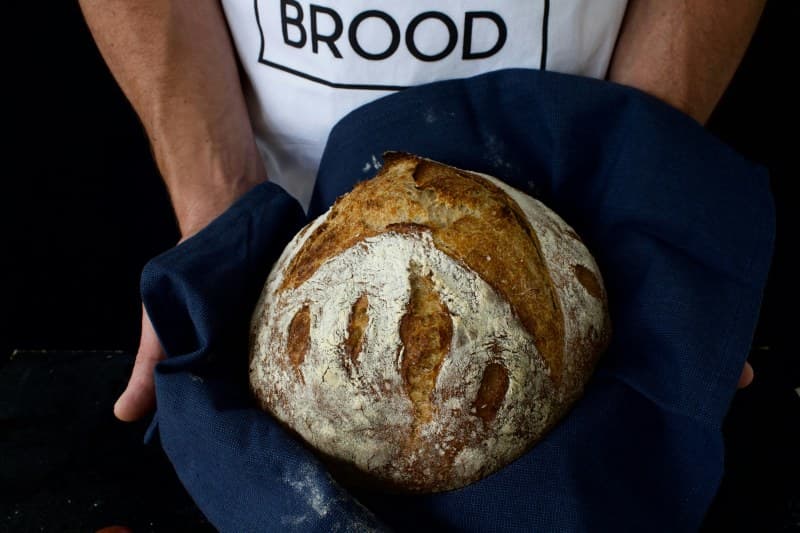
There’s nothing quite like the warm, tangy smell of a fresh sourdough loaf coming out of the oven. Unlike regular bread that relies on commercial yeast, sourdough uses wild yeast and bacteria to rise— a natural process called fermentation. But how exactly does this magic happen? Let’s break it down into simple, actionable parts.
What Is Sourdough Fermentation, Anyway?
Sourdough fermentation is a biological process where wild yeast (from flour or the air) and lactic acid bacteria feed on the sugars in flour. As they eat, they produce two key things: CO2 gas (which makes the dough rise) and lactic/acetic acids (which give sourdough its signature tangy flavor). This process also develops gluten, the protein that gives bread its chewy texture.
The 4 Key Stages of Sourdough Fermentation
Every sourdough loaf goes through four critical stages. Here’s a quick breakdown:
| Stage Name | What Happens | Typical Duration | Key Outcome |
|---|---|---|---|
| Autolyse | Flour and water are mixed and left to rest. Enzymes break down starches into sugars. | 20-30 minutes | Soft, elastic dough with better gluten development. |
| Bulk Fermentation | Starter is added; dough is folded periodically. Yeast/bacteria produce CO2. | 4-8 hours (room temp) | Dough doubles in size; tangy flavor develops. |
| Shaping & Bench Rest | Dough is shaped into a loaf; left to rest briefly. | 15-30 minutes | Gluten relaxes, making shaping easier. |
| Final Proof | Shaped dough rises one last time before baking. | 1-3 hours (room temp) or overnight (fridge) | Dough is light and ready to bake; final flavor deepens. |
Common Myths Debunked
Sourdough has its fair share of myths. Let’s set the record straight:
- Myth 1: Sourdough has to be super tangy to be good.
Truth: Tanginess depends on fermentation time. Shorter ferments mean milder flavor; longer ones are tangier. It’s all about preference! - Myth 2: You need a fancy starter to make sourdough.
Truth: You can make a starter at home with just flour and water. It takes 5-7 days, but it’s totally doable. - Myth 3: Fermentation time doesn’t matter.
Truth: Too short, and your loaf will be dense. Too long, and it’ll collapse in the oven. Watch for visual cues (doubling in size) instead of strict timers.
A Beginner’s Story: Learning to Ferment Right
Take my friend Lila, a new baker who struggled with dense sourdough loaves. She skipped the autolyse stage to save time, thinking it was optional. Her dough was always tough and never rose properly. After reading about the importance of autolyse, she tried adding a 30-minute rest before adding her starter. The next loaf was light, airy, and had that perfect sourdough chew. She now swears by autolyse—proof that small steps make a big difference.
Pro Tips to Nail Fermentation Every Time
- Keep your starter healthy: Feed it equal parts flour and water every 12-24 hours (depending on how often you bake).
- Monitor temperature: The ideal dough temp for fermentation is 75-80°F (24-27°C). If it’s too cold, the process slows down; too hot, and the yeast dies.
- Watch for bubbles: A well-fermented dough will have small bubbles on the surface and sound hollow when tapped.
- Don’t rush: Overnight fermentation in the fridge (cold proofing) adds depth to the flavor without extra work.
Quick Q&A: Your Fermentation Questions Answered
Q: Can I speed up sourdough fermentation if I’m short on time?
A: Yes, but be careful. You can place the dough near a warm oven (not too close!) or use a more active starter. However, speeding it up may reduce the tangy flavor and gluten development—so balance is key.
Final Thoughts
“Good things come to those who wait.” — Proverb
This couldn’t be truer for sourdough. Fermentation is a slow, intentional process that rewards patience. Whether you’re a beginner or a pro, understanding these stages will help you bake loaves that are not just delicious but full of character. So grab your flour, water, and starter—your perfect sourdough loaf is just a few fermentations away!