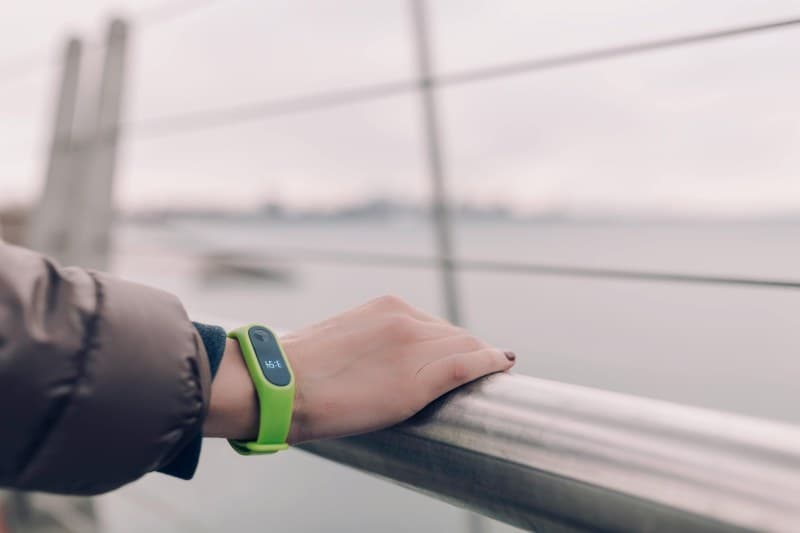
Last week, my friend Sarah texted me panicking—her smartwatch said she only got 2 hours of deep sleep, even though she felt totally rested. She was convinced her watch was broken, but it turned out she’d adjusted the band too loose the night before, messing up the heart rate sensor. If you’ve ever stared at your sleep score and wondered “how does this even work?” you’re not alone.
How Smartwatches Actually Track Sleep
Most smartwatches use two key sensors to guess your sleep stages: an accelerometer (to detect movement) and photoplethysmography (PPG) (to measure heart rate and blood flow). When you’re awake, you move more and your heart rate is higher. As you drift into light sleep, movement slows and heart rate drops. Deep sleep brings even less movement and a steady, low heart rate. REM sleep (the dream stage) has minimal movement but a heart rate similar to waking.
Here’s how these stages translate to what your watch tracks:
| Sleep Stage | What It Is | Metrics Tracked |
|---|---|---|
| Awake | Between sleep cycles or before falling asleep | High movement, variable heart rate |
| Light Sleep | Transition to deep sleep; easy to wake up | Low movement, slightly lower heart rate |
| Deep Sleep | Restorative; body repairs itself | Very little movement, steady low heart rate |
| REM Sleep | Dreaming; brain processes memories | Minimal movement, heart rate similar to awake |
7 Common Myths About Smartwatch Sleep Tracking
- Myth 1: More deep sleep = better sleep. Truth: Balance matters. Adults need 20-25% deep sleep, 20-25% REM, and 50-60% light sleep. Too much deep sleep (over 30%) can leave you groggy.
- Myth 2: Smartwatches can detect sleep apnea. Truth: Some watches flag potential apnea (like frequent breathing pauses), but they’re not medical devices. Always consult a doctor for a diagnosis.
- Myth 3: You need to wear it tight to your skin. Truth: Snug is good, but tight can cause irritation. The sensor just needs consistent contact—think “firm enough to stay in place.”
- Myth 4: All smartwatches track sleep the same way. Truth: Brands use different algorithms. For example, Apple Watch uses motion and heart rate, while Fitbit adds skin temperature for some models.
- Myth 5: Sleep scores are 100% accurate. Truth: They’re estimates. Lab-grade sleep studies (polysomnography) are the gold standard, but watches give a useful snapshot.
- Myth 6: Naps don’t count. Truth: Most watches track naps over 20 minutes. Short naps can boost energy, and your watch will include them in your daily sleep total.
- Myth 7: Charging overnight ruins the battery. Truth: Modern smartwatches have lithium-ion batteries that don’t suffer from “memory effect.” Charging overnight is safe (just don’t overcharge for days).
“Sleep is the best meditation.” — Dalai Lama
This quote reminds us that the goal of tracking sleep isn’t to obsesses over every number—it’s to use the data to create habits that help us rest better. Sarah, for example, started wearing her watch a bit snugger and noticed her deep sleep scores became more consistent, matching how she felt.
Quick Q&A: Common Sleep Tracking Questions
Q: Do I have to wear my smartwatch every night to get useful data?
A: No! Consistency over a week or two gives a better picture than daily checks. Wearing it 3-4 nights a week is enough to spot patterns (like if you sleep worse after drinking coffee late).
Tips to Get More Accurate Sleep Data
- Wear the watch on your non-dominant hand (less movement).
- Charge it before bed—low battery can cause sensor glitches.
- Set your sleep schedule in the app (so the watch knows when to start tracking).
- Avoid screen time 30 minutes before bed (blue light affects sleep stages, which can throw off your data).
At the end of the day, smartwatches are tools to help you understand your body. Don’t let a “bad” sleep score ruin your morning—use it to make small changes, like going to bed 10 minutes earlier or cutting out that evening soda. Your body (and your watch) will thank you.