Have you ever looked at your bank statement at the end of the month and wondered where all your money went? You didn’t make any big purchases, but your savings still took a hit. Chances are, hidden daily habits are quietly draining your funds—habits so small you barely notice them, but they add up over time.
Take Lila, a 28-year-old graphic designer. She bought a $5 latte every workday, a $3 granola bar in the afternoon, and ordered takeout once a week for $10. She thought these were “tiny” expenses—until she calculated the annual total: $2,560. That’s enough for a weekend trip, a new laptop, or 6 months of emergency savings.
5 Hidden Daily Habits That Drain Your Savings 💰
These habits are easy to overlook, but they can have a huge impact on your financial health. Let’s break them down:
1. Impulse Buys of “Small” Items
That $2 candy bar at the checkout, the $5 coffee, or the $10 shirt on sale—they seem harmless, but over time, they add up. Many people think these small purchases don’t matter, but they do.
2. Unused Subscriptions
How many streaming services do you have? A gym membership you never use? A magazine subscription that piles up unread? These recurring charges are easy to forget, but they eat into your savings month after month.
3. Brand Loyalty Without Checking Alternatives
Always reaching for the name-brand cereal or cleaning product? Generic or store-brand items are often just as good but cost 20-30% less. Over a year, that’s a significant savings.
4. Not Tracking Cash Spending
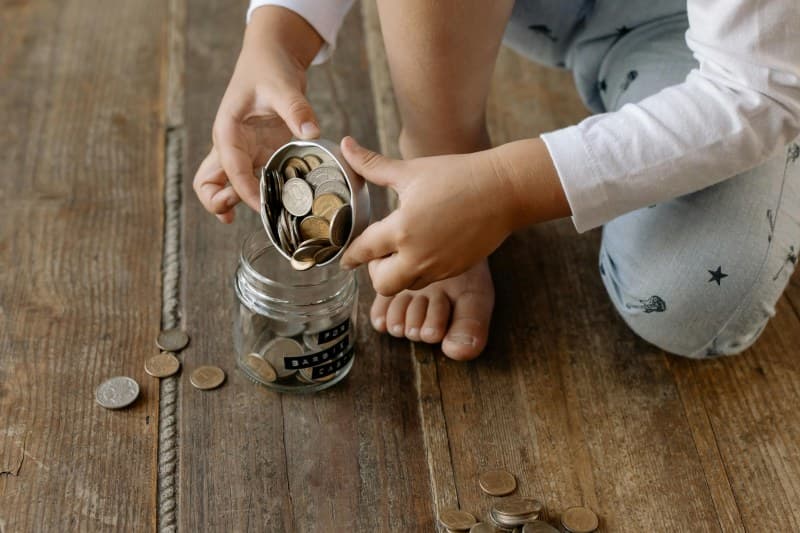
Coins and small bills disappear fast. You might spend $1 here, $3 there, but you never log it. By the end of the month, you’ve spent $50-$100 without realizing it.
5. Procrastinating on Bill Payments
Forgetting to pay a bill on time leads to late fees—usually $25-$50 per missed payment. That’s money you could have saved or used for something else.
Compare the Habits: Impact, Myths, and Fixes
Here’s a quick look at how each habit affects your savings and what you can do about it:
| Habit | Annual Impact (Example) | Common Myth | Practical Fix |
|---|---|---|---|
| Small Impulse Buys | $1,300 (daily $5 coffee) | “It’s just a few dollars.” | Track all small purchases for a week; cut 1-2 non-essential ones. |
| Unused Subscriptions | $180 (monthly $15 streaming) | “I’ll use it eventually.” | Cancel subscriptions you haven’t used in 30 days; set a reminder to review every 3 months. |
| Brand Loyalty | $240 (monthly $20 extra on groceries) | “Name brands are better.” | Try 1 generic item per week; switch permanently if you like it. |
| Untracked Cash Spending | $600 (monthly $50 unlogged) | “Cash doesn’t count.” | Use a small notebook or app to log every cash purchase. |
| Late Bill Payments | $300 (6 late fees of $50) | “One late payment won’t hurt.” | Set auto-pay for bills; use calendar reminders for non-auto payments. |
“Small leaks sink great ships.” — Proverb
This old saying perfectly sums up these hidden habits. Even the tiniest “leaks” in your budget can sink your savings goals over time. The key is to find and fix those leaks before they become a problem.
FAQ: Common Question About Daily Savings Habits
Q: I don’t make a lot of money—can these habits still affect me?
A: Absolutely! For people on tight budgets, every dollar counts. Cutting $20 a month in non-essential habits adds up to $240 a year—enough for a car repair, a medical bill, or a small emergency fund. Even small changes can make a big difference.
Lila learned this firsthand. After tracking her expenses, she switched to homemade lattes ($1 each instead of $5), canceled two unused streaming services ($30/month total), and started paying bills on time. In 6 months, she saved $1,800—money she used to build her emergency fund.
The good news is that fixing these habits doesn’t have to be hard. Start small: pick one habit to change this month, then add another next month. Over time, these small changes will add up to big savings.