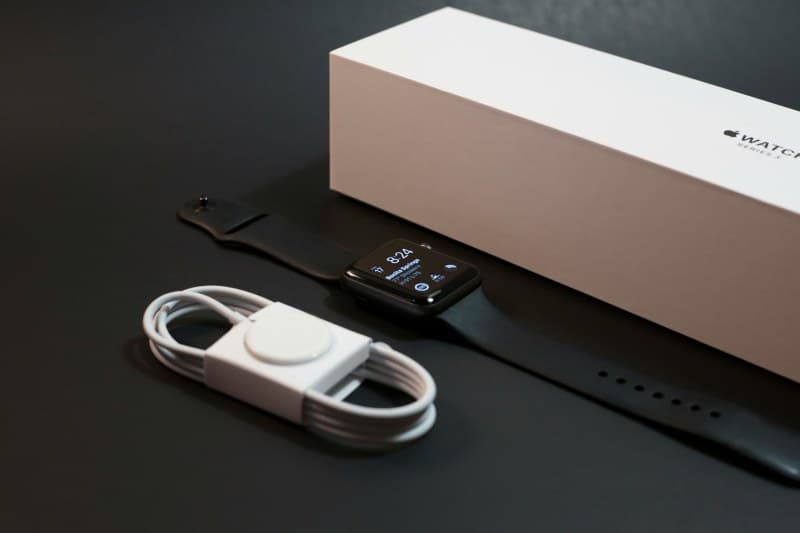
Last week, my friend Sarah woke up, grabbed her smartwatch, and frowned. ‘It says I only got 20 minutes of deep sleep,’ she said. ‘But I felt totally rested.’ If you’ve ever stared at your sleep score and wondered if it’s accurate, you’re not alone. Smartwatch sleep tracking is everywhere, but how does it actually work? And which of the things you hear about it are true?
How Do Smartwatches Track Sleep?
Most smartwatches use two main sensors to monitor sleep: an accelerometer (to detect movement—less movement usually means deeper sleep) and a heart rate monitor (lower, steady heart rates signal deep sleep; variable rates often indicate REM sleep). Newer models may add SpO2 sensors to track oxygen levels, which can hint at issues like sleep apnea.
What Smartwatches Measure vs. Actual Sleep Stages
Here’s a quick breakdown of scientific sleep stages versus what your smartwatch can detect:
| Sleep Stage (Scientific) | What Smartwatches Track | Accuracy Level |
|---|---|---|
| Light Sleep (N1/N2) | Moderate movement, slightly lower heart rate | High (85-90% accurate) |
| Deep Sleep (N3) | Minimal movement, very low heart rate | Medium (70-80% accurate) |
| REM Sleep | Low movement, variable heart rate (similar to wakefulness) | Low to Medium (60-75% accurate) |
| Wakefulness (during sleep) | High movement, elevated heart rate | Very High (95%+ accurate) |
5 Common Myths About Smartwatch Sleep Tracking Debunked
Myth 1: More deep sleep = better sleep
Truth: Deep sleep is important, but balance matters. Adults need 15-25% deep sleep, 20-25% REM, and the rest light. Too much deep sleep (over 30%) might mean you’re missing out on REM, which is key for memory and mood.
Myth 2: If I don’t wear my watch, I didn’t sleep well
Truth: Your sleep quality doesn’t depend on the watch. The device just records data—you can feel rested even if you forget to wear it.
Myth 3: Smartwatches can diagnose sleep disorders
Truth: They can flag potential issues (like frequent wake-ups), but only a clinical sleep study (polysomnogram) can diagnose conditions like sleep apnea or insomnia.
Myth 4: Charging the watch overnight ruins sleep tracking
Truth: Most modern smartwatches have 24+ hours of battery life. If yours dies, charge it for 15 minutes before bed—most will last the night.
Myth 5: All smartwatches track sleep the same way
Truth: Brands use different algorithms. Apple Watch relies on movement + heart rate, while Fitbit adds SpO2. Results can vary even between similar models.
Practical Tips to Improve Sleep Tracking Accuracy
- 💡 Wear the watch snugly (not too tight) on your non-dominant wrist to avoid movement errors.
- 💡 Charge it to at least 50% before bed to prevent battery drain mid-night.
- 💡 Set your sleep schedule in the app so the watch knows when to start tracking.
- 💡 Avoid using the watch as a vibration alarm if it disrupts your sleep—opt for a separate alarm instead.
A Classic Quote About Sleep
“Sleep is the best meditation.” — Dalai Lama
This quote reminds us that sleep is more than just a data point. While tracking can help, the goal is to get restful sleep that leaves you feeling refreshed—not just hitting a certain score.
FAQ: Can I Trust My Smartwatch’s Sleep Data?
Q: Is my smartwatch’s sleep data accurate enough to make lifestyle changes?
A: Yes—if you use it as a general guide. For example, if your watch shows frequent wake-ups, try cutting caffeine after 2 PM or keeping your bedroom cooler. But for medical decisions, always consult a doctor.
Final Thoughts
Smartwatch sleep tracking is a useful tool, but it’s not perfect. It can help you spot patterns and make small changes to improve your sleep. Remember: the numbers are just a starting point—listen to your body first.