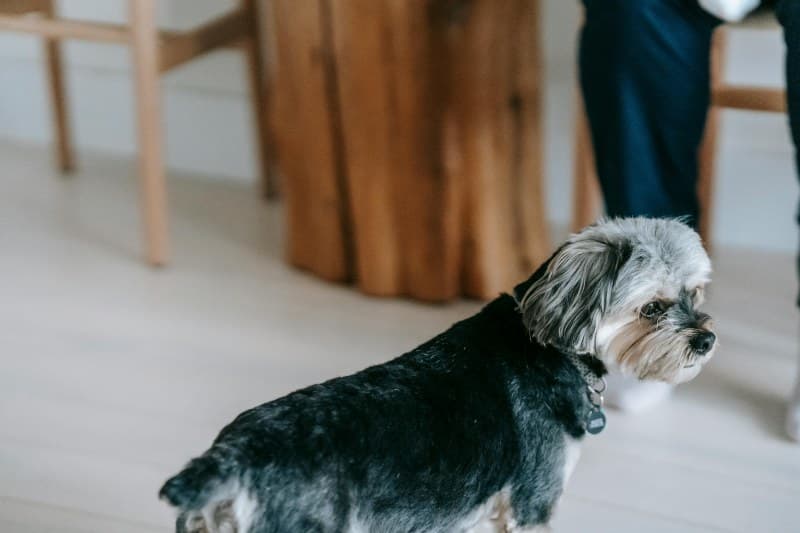
If you’re a plant lover with a curious cat or a chewy dog, you know the struggle: you bring home a beautiful pothos (only to realize it’s toxic) or your spider plant gets nibbled to bits. Keeping both your plants and pets happy doesn’t have to be a battle—here are two key ways to make it work.
Elevated Plant Displays: Keep Plants Out of Reach 🌿
Hanging planters, wall-mounted shelves, or tall stands are a simple way to separate your plants from pets. For example, Sarah, a golden retriever owner, used macramé hangers to suspend her spider plants (a pet-safe option) near the ceiling. Within a week, her dog stopped chewing the leaves—no more sad, half-eaten foliage.
Pros: Directly removes plants from pet access, adds visual interest to your space, works for most small to medium plants. Cons: Requires installation (drilling for shelves), heavy plants may not be suitable for hanging, and some plants (like snake plants) prefer stable surfaces.
Barrier Gardening: Create Safe Zones for Plants 🐾
Physical barriers (like baby gates or mesh fences) or natural repellents (citrus peels, coffee grounds) can keep pets away from plants without moving them. For instance, Mike used a small baby gate around his collection of Boston ferns—his cat, who loved to nap on the soil, quickly lost interest.
Pros: No need to rearrange plants, works for large or heavy plants, natural repellents are budget-friendly. Cons: Repellents need frequent reapplication, barriers can look clunky, and some pets may ignore them.
Method Comparison
Here’s how the two methods stack up:
| Method | Effort Level | Cost | Pet Safety | Best For |
|---|---|---|---|---|
| Elevated Displays | Medium (installation needed) | Low to medium (hangers/shelves cost $10–$30) | High (plants are out of reach) | Small/medium plants, renters (if using command hooks) |
| Barrier Gardening | Low (repellents) to medium (gates) | Low (repellents are free/cheap) to medium (gates cost $20–$50) | Medium (pets may still find a way) | Large plants, outdoor patios |
“The best time to plant a tree was 20 years ago. The second best time is now.” — Chinese Proverb
This proverb rings true for pet-friendly plant care. Even if you’ve had past failures (like a chewed-up peace lily), now is the perfect time to try these methods and create a green, pet-safe home.
Common Q&A
Q: Are all pet-friendly plants completely safe if my pet nibbles them?
A: No—while non-toxic, some plants (like spider plants) can cause mild stomach upset if eaten in large quantities. Always check the ASPCA’s non-toxic plant list and monitor your pet’s behavior around new plants.
Q: Can I use essential oils as repellents?
A: Be cautious—many essential oils (like tea tree or peppermint) are toxic to pets. Stick to natural options like citrus peels or diluted vinegar (test on a small plant area first).
By choosing the right method for your space and pets, you can enjoy a lush, pet-friendly home. Remember: small adjustments (like a hanging planter or a citrus peel repellent) can make a big difference.