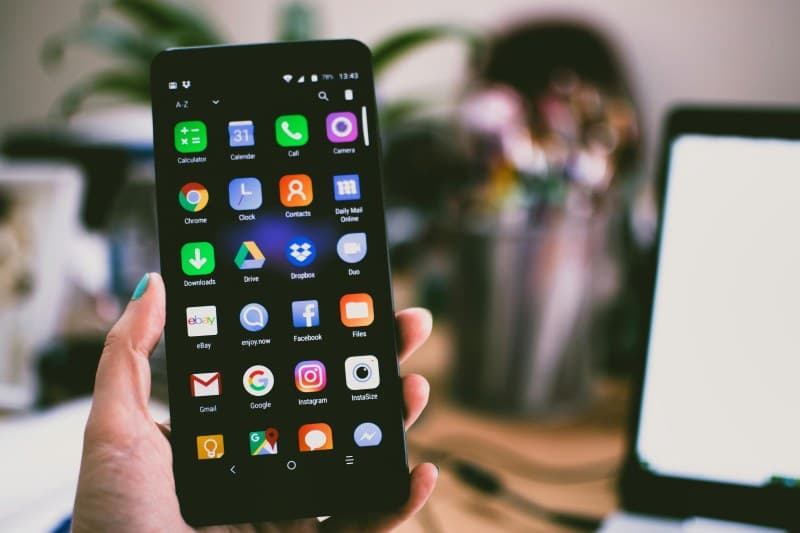
Last month, I was sprinting out the door for a weekend camping trip when I glanced at my phone battery: 15%. Panicked, I grabbed my roommate’s 65W fast charger and plugged it in. Twenty minutes later, it was at 70%—enough to last the drive and the first day. But as I packed it, I wondered: Is this magic, or is it secretly damaging my battery? How does fast charging even work?
What Is Fast Charging, Anyway?
At its core, charging a battery is about moving electrical energy into it. Normal charging (like the 5W charger that comes with old phones) uses 5 volts (V) and 1 amp (A) of current. Fast charging cranks this up—either by increasing the voltage, the current, or both. For example, USB Power Delivery (USB-PD) can push up to 20V and 3A, giving 60W of power. That’s 12x faster than the old 5W chargers!
Popular Fast Charging Standards: A Quick Comparison
Not all fast chargers are the same. Here’s how three common standards stack up:
| Standard Name | Max Power | Compatible Brands | Key Notes |
|---|---|---|---|
| USB-PD | 60W (some up to 100W) | Apple, Google, Samsung, OnePlus | Universal standard; works with most modern devices. |
| Qualcomm Quick Charge | 72W | Android phones with Qualcomm chips (e.g., Xiaomi, LG) | Requires both phone and charger to support it. |
| Samsung Super Fast Charge | 45W | Samsung Galaxy S/Note series | Uses USB-PD + PPS for optimized charging. |
7 Common Fast Charging Myths Debunked
Let’s clear up the confusion around fast charging:
- Myth: Fast charging ruins your battery. Fact: Modern phones have thermal management systems that slow charging if the battery gets too hot. As long as you use a reputable charger, your battery lifespan won’t be significantly affected.
- Myth: You must use the brand’s charger. Fact: If the third-party charger supports your phone’s fast charging standard (like USB-PD), it’s safe to use.
- Myth: Fast charging works at full speed until 100%. Fact: Most phones slow down charging after 80% to protect the battery.
- Myth: Wireless fast charging is as fast as wired. Fact: Wired fast charging is usually 2-3x faster than wireless (due to energy loss).
- Myth: Leaving your phone on fast charge overnight is bad. Fact: Phones stop charging once full, so it’s safe—but using slow charging at night is better for long-term battery health.
- Myth: All USB-C chargers are fast. Fact: Some USB-C chargers only deliver 5W. Check the wattage before buying.
- Myth: Fast charging uses more electricity. Fact: It uses slightly more, but since it charges faster, the total energy used is similar to slow charging.
“Haste makes waste, but smart haste makes progress.” — Unknown
This quote rings true for fast charging. Using it when you’re in a hurry is smart, but relying on it every day (like overnight) might not be the best for your battery’s long-term health. Balance is key.
Practical Tips for Using Fast Charging Wisely
Here are a few easy ways to get the most out of fast charging without harming your battery:
- Use fast charging only when you need it (e.g., before a trip).
- Invest in a reputable charger (avoid cheap, unbranded ones).
- Keep your phone cool while charging (don’t cover it with a case or leave it in direct sunlight).
- Use slow charging at night to extend battery lifespan.
FAQ: Your Fast Charging Questions Answered
Q: Can I use a 65W charger on a phone that supports 25W fast charging?
A: Yes! Most phones will only draw the power they need. The charger won’t force more power into your phone than it can handle.
Q: Does fast charging affect battery health over time?
A: Studies show that after 2 years of regular fast charging, battery health drops by about 5-10%—which is similar to slow charging. The difference is minimal for most users.