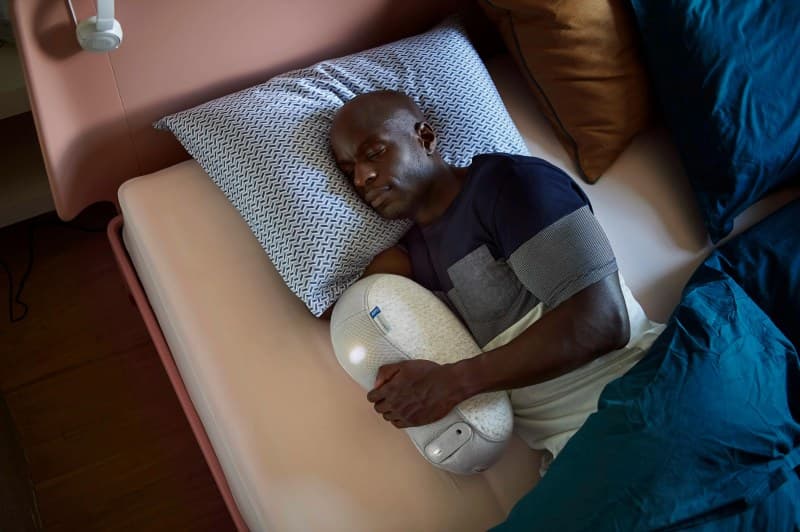
Last week, I stayed up late finishing a work project, and the next day, every little thing set me off: my coffee was too cold, the train was 2 minutes late, even my favorite podcast felt irritating. I knew lack of sleep was to blame, but I didn’t realize just how deep the connection between sleep and mood runs.
6 Key Ways Sleep Shapes Your Mood
Sleep isn’t just about resting your body—it’s a critical time for your brain to process emotions and regulate chemicals that keep your mood balanced. Here are six key ways it impacts how you feel:
- Regulates stress hormones: When you sleep poorly, your body produces more cortisol (the stress hormone), making you feel anxious or on edge.
- Boosts emotional resilience: Good sleep helps your brain handle setbacks without overreacting—like not panicking when you forget your keys.
- Enhances positive thinking: Studies show well-rested people are more likely to notice the good in a situation, whereas tired folks tend to focus on the negative.
- Reduces irritability: Even one night of bad sleep can make you snap at loved ones or get frustrated over small tasks.
- Improves focus and patience: Sleep helps your brain stay sharp, so you’re less likely to feel overwhelmed by a busy to-do list.
- Processes emotions: REM sleep (the deep, dreaming stage) lets your brain work through feelings—like why you felt upset after a fight the day before.
Sleep Duration vs. Mood Impact
How much sleep you get directly affects your mood. Here’s a quick breakdown:
| Sleep Duration (Hours) | Mood Effect | Key Notes |
|---|---|---|
| <6 | High irritability, anxiety, and mood swings | Chronic short sleep increases risk of depression. |
| 6-7 | Mild grogginess and reduced patience | May not feel fully rested, but better than less. |
| 7-9 | Stable mood, better emotional resilience | Recommended for most adults by health experts. |
| >9 | Grogginess and sluggishness | Too much sleep can be as bad as too little for mood. |
Common Myths About Sleep and Mood Debunked
Let’s clear up some false beliefs that might be hurting your mood:
- Myth: I can catch up on sleep over the weekend.
Fact: Irregular sleep schedules disrupt your circadian rhythm, leading to ongoing mood issues even if you sleep in on Saturdays. - Myth: Only deep sleep matters for mood.
Fact: REM sleep (the dreaming stage) is crucial for processing emotions—skipping it can leave you feeling emotionally raw.
“We are what we repeatedly do. Excellence, then, is not an act, but a habit—including sleep.” — Aristotle
This quote reminds us that consistent sleep habits are key to maintaining a stable mood. Small, daily choices (like going to bed at the same time) add up to better emotional well-being.
Simple Daily Adjustments to Boost Sleep and Mood
You don’t need a fancy routine to improve your sleep and mood. Try these easy tips:
- Stick to a sleep schedule: Go to bed and wake up at the same time every day (even on weekends).
- Limit screen time 1 hour before bed: Blue light from phones suppresses melatonin, the sleep hormone.
- Create a calming pre-sleep ritual: Try reading a book, drinking warm herbal tea, or doing gentle stretches.
- Avoid caffeine after 2 PM: It can stay in your system for up to 6 hours, disrupting sleep.
Quick Q&A
Q: Can napping help fix a bad night’s sleep and improve my mood?
A: Short naps (20-30 minutes) can boost alertness and lift your mood without making you groggy. But long naps (over an hour) might disrupt your nighttime sleep, so stick to the “power nap” length.
At the end of the day, sleep is one of the most powerful tools for keeping your mood in check. Even small changes to your routine can make a big difference in how you feel—so tonight, try going to bed 15 minutes earlier. Your mood will thank you.