Last week, I stayed up scrolling through my phone until 11 PM—even though I knew I had to wake up early for a meeting. When I finally put it down, I lay awake for an hour, my mind racing with the day’s events and the random posts I’d seen. Sound familiar? If you’ve ever struggled to fall asleep after using screens, you’re not alone.
The Two Key Mechanisms Behind Screen Time and Sleep Disruption
Screen time before bed doesn’t just “keep you up”—it actively disrupts your body’s natural sleep processes in two main ways.
1. Blue Light Suppresses Melatonin
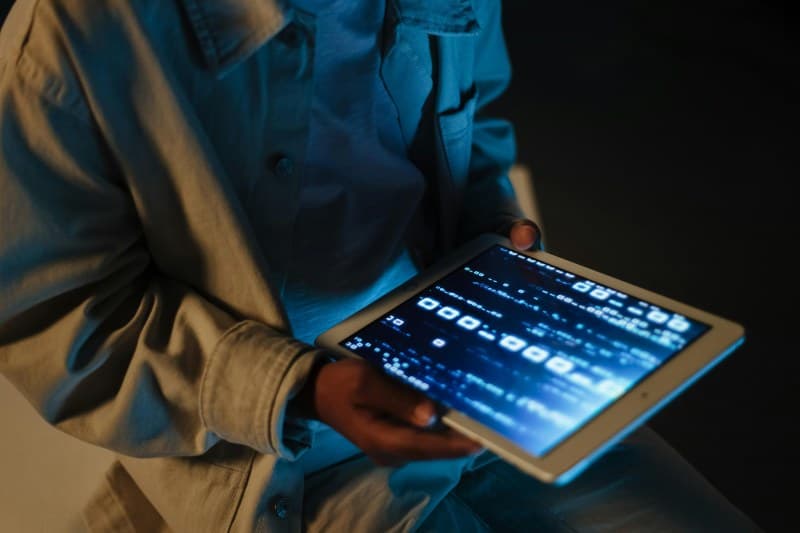
Your body produces melatonin, the “sleep hormone,” when it gets dark. But screens emit blue light, which mimics daylight. This tricks your brain into thinking it’s still daytime, so it delays melatonin release. A 2019 study found that using a smartphone for just 30 minutes before bed can reduce melatonin levels by up to 22%.
2. Mental Stimulation Keeps Your Brain Alert
Scrolling social media, watching a thriller, or even checking work emails activates your brain’s reward system or stress response. This makes it hard to switch into “rest mode.” For example, reading a heated debate online or laughing at a funny video can leave your brain buzzing long after you close the app.
Here’s a quick breakdown of these mechanisms and how to counter them:
| Mechanism | Impact on Sleep | Quick Mitigation |
|---|---|---|
| Blue Light Exposure | Delays melatonin release; harder to fall asleep | Use blue light filters; switch to warm lighting |
| Mental Stimulation | Keeps brain alert; disrupts deep sleep | Avoid social media/work 30 mins before bed; read a physical book |
“Sleep is the golden chain that ties health and our bodies together.” — Thomas Dekker
This 17th-century quote still holds true today. Our modern screen habits often break that chain, but small changes can help reattach it.
Common Q&A: Can Blue Light Filters Fix Everything?
Q: If I use a blue light filter on my phone, do I still need to limit screen time before bed?
A: Blue light filters reduce melatonin suppression, but they don’t eliminate the mental stimulation from scrolling. For example, even with a filter, scrolling through Instagram can keep your brain active. So filters are a helpful tool, but pairing them with a screen-free wind-down routine (like stretching or drinking herbal tea) is more effective.
Practical Tips to Balance Screens and Sleep
You don’t have to give up screens entirely—just make small adjustments:
- Set a screen curfew: Turn off all screens 30-60 minutes before bed.
- Swap screens for physical activities: Read a book, do gentle yoga, or talk to a family member.
- Use warm lighting: Replace harsh overhead lights with lamps that emit warm, yellow light in the evening.
By understanding how screens affect your sleep and making these small changes, you can get the rest your body needs to feel your best.