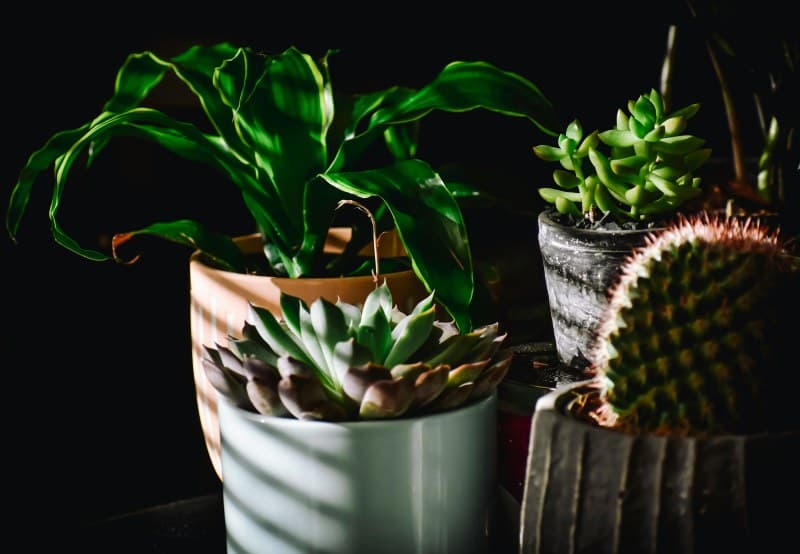
Last month, my friend Sarah brought home a beautiful Boston fern, convinced it would thrive on her sunny windowsill. A week later, its fronds turned brown and crispy. She was confused—wasn’t sunlight good for plants? Turns out, her mistake was assuming all houseplants need direct sun. Let’s break down the truth about light and debunk two persistent myths.
The Truth About Houseplant Light Needs
Not all houseplants crave direct sunlight. In fact, most common houseplants (like pothos, snake plants, and ZZ plants) prefer indirect light—bright but filtered through a curtain or placed a few feet away from a window. Direct sunlight can scorch leaves, cause wilting, or even kill sensitive plants. On the other hand, some plants (like succulents, cacti, and citrus trees) do need 6+ hours of direct sun daily to grow well.
To help you choose the right spot for your plants, here’s a quick comparison of light requirements:
| Light Type | Description | Best Plants |
|---|---|---|
| Direct Sun | 6+ hours of unfiltered sunlight (e.g., south-facing window) | Succulents, cacti, citrus trees |
| Indirect Bright Light | Bright but not direct (e.g., east-facing window or 2-3 feet from south window) | Pothos, snake plant, ZZ plant |
| Low Light | Dim but not dark (e.g., north-facing window or corner away from light) | Peace lily, spider plant, cast iron plant |
Debunking 2 Common Light Myths
Myth 1: All houseplants need direct sunlight
This is the myth that tripped up Sarah. As we saw, many houseplants are native to forest floors where they get dappled light, not direct sun. For example, the snake plant (Sansevieria) can survive in low light for months, making it perfect for offices or dark corners.
Myth 2: Low-light plants don’t need any sun
Low-light plants still need light—just less of it. A peace lily placed in a completely dark closet will eventually yellow and die. Even low-light plants need at least 2-3 hours of indirect light daily to photosynthesize.
“The sun is the source of all life, but for plants, it’s a matter of balance—not too much, not too little.” — Unknown Gardener Wisdom
This quote sums it up: Light is essential, but balance is key. Just like we need the right amount of food and water, plants need the right amount of light to grow.
Common Q&A
Q: My plant’s leaves are turning yellow—does that mean it needs more sun?
A: Not always. Yellow leaves can be a sign of too much sun (scorching) or too little. Check the plant’s light requirements first. If it’s a low-light plant in direct sun, move it to a shadier spot. If it’s in a dark corner, try moving it to a brighter area.
Another example: My neighbor’s ZZ plant had yellow leaves, so she moved it to a south-facing window. The leaves got worse! Turns out, ZZ plants hate direct sun. She moved it back to her living room corner, and within a month, it was green again.
Practical Tips to Get Light Right
- 🌿 Observe your windows: South-facing windows get the most direct sun; north-facing get the least.
- 🌿 Rotate your plants every 2-3 weeks to ensure all sides get light.
- 🌿 If you don’t have enough natural light, use grow lights (LED ones are energy-efficient).
By understanding your plant’s light needs and debunking these myths, you can keep your houseplants happy and healthy. Remember: It’s not about giving all plants direct sun—it’s about giving each plant the right amount of light.