Last year, my friend Lila struggled with constant post-meal bloating. She cut out dairy, then gluten, but nothing stuck—until she started eating a small bowl of plain yogurt with live cultures every morning. Within a month, her bloating faded, and she had more energy. That’s the power of probiotics, but how exactly do they work?
What Are Probiotics, Anyway?
Probiotics are live, beneficial bacteria (and some yeasts) that live in your gut. They’re part of your microbiome—a complex community of trillions of microbes that help keep your body balanced. Think of them as the “good guys” that fight off harmful bacteria and support your overall health.
How Probiotics Work: The Gut Balance Act
Your gut microbiome is like a garden. When the soil (your gut) is healthy, the good plants (probiotics) thrive. Probiotics do three key things: they crowd out harmful bacteria, produce nutrients like B vitamins and short-chain fatty acids, and support your immune system (since 70% of your immune cells live in your gut).
5 Key Benefits of Probiotics
Probiotics offer more than just digestive relief. Here are their top benefits:
- Relieve digestive issues (bloating, IBS, constipation)
- Boost immune function (reduce colds and infections)
- Support mental health (via the gut-brain axis)
- Improve nutrient absorption (help your body take in vitamins)
- Enhance skin health (reduce acne and eczema)
To help you choose the right source, here’s a comparison of food-based vs. supplement probiotics:
| Type | Pros | Cons | Examples |
|---|---|---|---|
| Fermented Foods | Natural, contain prebiotics too, easy to add to diet | CFU counts vary, may have added sugar | Yogurt, kimchi, sauerkraut, kefir |
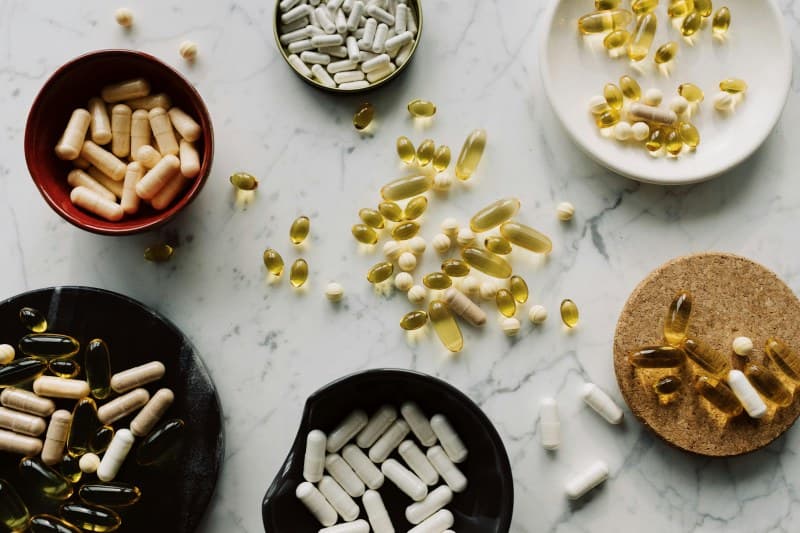
| Probiotic Supplements | Controlled CFU counts, targeted strains for specific issues | Can be expensive, may not be as well-absorbed | Lactobacillus acidophilus, Bifidobacterium bifidum |
Common Myths About Probiotics (Debunked)
Let’s clear up some confusion:
Myth 1: All probiotics are the same
No—different strains have different effects. For example, Lactobacillus rhamnosus helps with diarrhea, while Bifidobacterium lactis supports immune health.
Myth 2: More CFUs (colony-forming units) = better
Not necessarily. A supplement with 10 billion CFUs isn’t always better than one with 1 billion—what matters is the strain and whether it reaches your gut alive.
Myth 3: Probiotics are only for people with gut issues
Everyone can benefit! Even if you don’t have digestive problems, probiotics help maintain a healthy microbiome and support long-term health.
Practical Tips to Add Probiotics to Your Diet
You don’t need fancy supplements to get probiotics. Try these simple swaps:
- Swap regular yogurt for plain yogurt with “live and active cultures”
- Add a spoonful of kimchi or sauerkraut to your lunch
- Drink kefir (a fermented milk drink) instead of soda
- Pair probiotics with prebiotics (bananas, oats, garlic) to feed the good bacteria
“Let food be thy medicine and medicine be thy food.” — Hippocrates
This ancient wisdom rings true for probiotics. By choosing the right foods, you can support your gut health naturally.
FAQ: Your Probiotic Questions Answered
Q: Do I need to take probiotic supplements, or can I get enough from food?
A: It depends. If you eat fermented foods regularly (like yogurt or kimchi), you might get enough. But if you have specific gut issues (like IBS) or don’t eat these foods, supplements can help. Look for supplements with strains that target your needs—check the label for names like Lactobacillus or Bifidobacterium.
Q: How long does it take for probiotics to work?
A: For digestive issues, you might see results in 1-2 weeks. For long-term benefits (like immune support), it can take 4-6 weeks. Consistency is key!