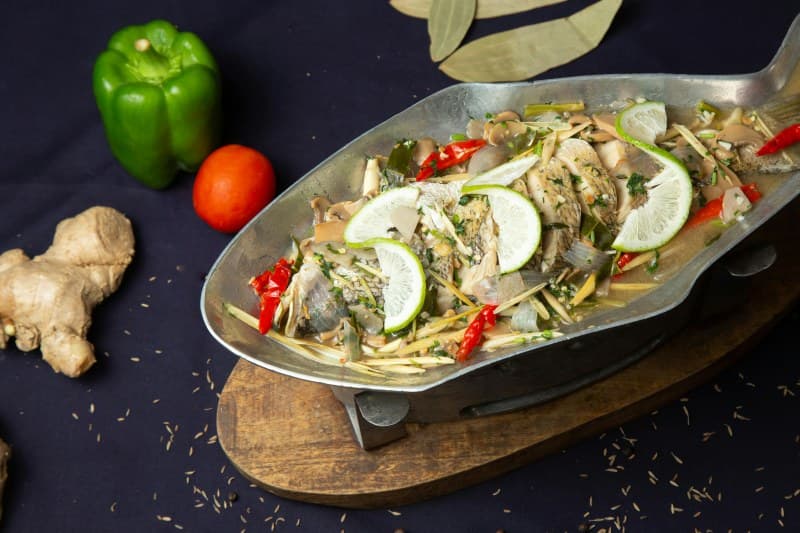
Last summer, I found myself in a sun-drenched coastal town in southern Portugal, craving real grilled sardines—not the overpriced, frozen ones served at the beachfront restaurants. I wandered off the main promenade and spotted a group of fishermen mending nets. I asked one where he goes for lunch, and he pointed to a tiny, unmarked shack down a side street. Inside, the owner served me sardines so fresh they tasted like the ocean, with a side of homemade bread and a local wine. That day, I learned the best local meals aren’t always the easiest to find—but they’re worth the effort.
4 Ways to Find Authentic Local Meals in Tourist-Heavy Coastal Towns
1. Ask Local Fishermen or Workers
Fishermen spend their days on the water and know exactly where to get the freshest catch. Strike up a casual conversation (a smile and a simple question like “Where do you eat after work?” goes a long way). Most are happy to share their favorite spots—often family-run places that don’t advertise to tourists. Just remember to be polite; a small tip or a thank-you note can go a long way in building rapport.
2. Seek Out Family-Run Seafood Shacks Off the Main Drag
Tourist areas are full of flashy restaurants with neon signs, but the real gems are the small, unassuming shacks tucked away in residential neighborhoods or industrial ports. Look for places with handwritten menus, plastic tables, and locals lingering over meals. These spots usually serve traditional dishes at affordable prices—think grilled octopus, fresh ceviche, or fish stew made with the day’s catch. In my Portugal trip, the shack I visited had no menu; the owner just told me what he had that day.
3. Join a Small-Group Food Tour Led by a Local
Small-group tours (10 people or fewer) led by local guides can take you to hidden spots you’d never find on your own. Guides often have personal connections to the restaurants, so you get insider access and stories about the food. For example, in a tour I took in Mexico’s Riviera Maya, our guide took us to a family-run taco stand where the owner had been making tacos for 30 years. The tour also included tips on how to order like a local (e.g., asking for “salsa roja” instead of the pre-made stuff).
4. Use Local Social Media Tags
Skip the tourist-heavy Instagram hashtags like #BeachFood or #VacationEats. Instead, search for tags like #[TownName]LocalEats or #[TownName]Seafood. Look for posts from locals (not travel influencers) sharing their favorite spots. You’ll find hidden gems that aren’t on the usual travel lists. In Bali’s Seminyak, I found a tiny warung (local eatery) through a local’s Instagram post—it served the best nasi goreng I’ve ever had, and it was half the price of tourist spots.
Here’s how the 4 methods stack up:
| Method | Pros | Cons | Budget Range | Effort Level |
|---|---|---|---|---|
| Ask Local Fishermen | Free, authentic recommendations, personal touch | Requires confidence to approach strangers | Low ($-$$) | Medium |
| Family-Run Shacks | Affordable, traditional dishes, local vibe | Hard to find without guidance | Low ($) | High |
| Local Food Tour | Insider access, stories, no research needed | Costs money, fixed schedule | Medium ($$) | Low |
| Local Social Media | Free, up-to-date recommendations | Requires internet access, may be overwhelming | Low ($-$$) | Medium |
“Food is the ultimate equalizer. It crosses all boundaries—language, culture, religion. It’s how we connect.” — Anthony Bourdain
This quote rings true for coastal towns, where food is a way of life. Sharing a meal with locals isn’t just about eating—it’s about understanding their culture and history. For example, in the Portuguese shack, the owner told me stories about his grandfather, who was also a fisherman, and how the recipe for his sardines had been passed down for generations.
Common Question About Local Coastal Meals
Q: Is street food in coastal tourist towns safe to eat?
A: Yes, if you know what to look for. Choose stalls with a steady flow of local customers (a good sign of freshness). Check that food is cooked to order and that utensils are clean. Avoid stalls that leave food exposed to the sun for long periods. And always trust your gut—if something looks or smells off, skip it. In most cases, street food in coastal towns is safe and delicious.
Finding authentic local meals in tourist-heavy coastal towns takes a little effort, but the rewards are huge. You’ll get to taste the real flavor of the place, meet locals, and create memories that last long after your trip. So next time you’re at the beach, don’t settle for the first restaurant you see—venture out and discover something special.