Last month, my friend Sarah showed up to a neighborhood pickleball game with a borrowed racket and zero clue what she was doing. She hit the ball too hard, stepped into a "kitchen" (whatever that was), and kept getting called out. By the end of the hour, she was frustrated—but also hooked. If you’ve ever felt like Sarah, you’re not alone. Pickleball’s mix of tennis, badminton, and ping pong makes it fun, but its unique rules can trip up new players.
What Is Pickleball, Anyway?
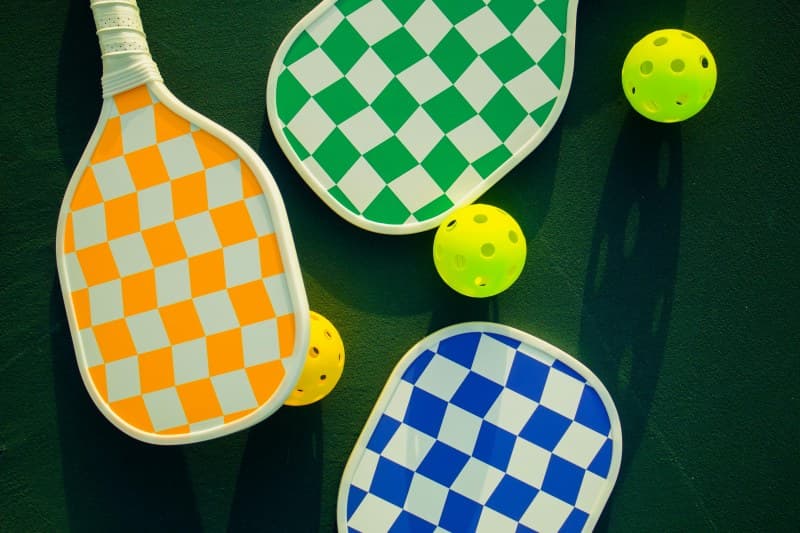
Pickleball is a racket sport played on a court smaller than tennis (20x44 feet for doubles). It uses a perforated plastic ball (like a wiffle ball) and solid paddles. The game can be played 1v1 (singles) or 2v2 (doubles), and the goal is to hit the ball over the net without it bouncing twice on your side or going out of bounds.
Pickleball vs. Other Racket Sports: Key Differences
To help you get the hang of it, here’s how pickleball stacks up against other racket sports you might know:
| Aspect | Pickleball | Tennis | Badminton |
|---|---|---|---|
| Court Size | 20x44 ft (doubles) | 36x78 ft (doubles) | 20x44 ft (doubles) |
| Ball Type | Perforated plastic (wiffle-like) | Felt-covered rubber | Feather or synthetic shuttlecock |
| Racket/Paddle | Solid paddle (wood or composite) | Stringed racket | Stringed racket (lighter) |
| Net Height | 36 inches at posts, 34 inches in center | 36 inches at posts, 33 inches in center | 5 feet at posts, 5 feet 1 inch in center (singles) |
| Scoring | Only serving team scores; rally scoring not used | Rally scoring (any team can score) | Rally scoring (any team can score) |
6 Key Rules to Get You Started
Pickleball has a few non-negotiable rules that keep the game fair and fun:
- Serve underhand: You must serve below your waist with an underhand motion, hitting the ball diagonally into the opponent’s service court.
- Kitchen rule: The "non-volley zone" (10 feet from the net on both sides, nicknamed the kitchen) prohibits volleys (hitting the ball before it bounces). You can step in only after the ball bounces.
- Serving team scores: Only the team that serves can earn points. If the receiving team wins a rally, they get to serve next.
- Right-side first serve: The first serve of a game starts from the right side of the court. After scoring, you switch sides.
- Clear the net: A serve must clear the net and land in the opponent’s service court (not on the line).
- One bounce per side: After the serve, both teams must let the ball bounce once before volleying (this is called the "double bounce rule").
Myths That Need Busting
Let’s debunk some common pickleball myths:
- Myth: It’s only for older people. Fact: According to USA Pickleball, 36% of players are under 35. It’s popular with all ages!
- Myth: You need expensive gear. Fact: A basic paddle costs $30-$50, and balls are $5-$10 for a pack. No fancy equipment required.
- Myth: It’s too easy. Fact: Mastering the kitchen rule and strategic shots (like dinks) takes practice. Even pros still refine their skills.
Quick Tips for New Players
Ready to hit the court? Try these tips:
- Start with doubles: It’s more social and less pressure than singles.
- Focus on consistency: Don’t try to hit hard—aim for slow, controlled shots to keep the rally going.
- Practice your underhand serve: It’s the foundation of the game.
- Ask for help: Most players are happy to explain rules to newbies.
"Sports do not build character. They reveal it." — Heywood Broun
This quote rings true for pickleball. Whether you’re laughing off a bad serve or helping a new player learn the kitchen rule, the game shows how you approach fun and competition. Sarah, for example, now helps teach new players at her neighborhood games—turning her initial frustration into a way to connect with others.
FAQ: Your Pickleball Questions Answered
Q: Do I need special shoes for pickleball?
A: While pickleball-specific shoes exist, you don’t need them to start. Court shoes (like tennis or volleyball shoes) are ideal—they provide good traction and support for quick lateral movements. Avoid running shoes, which have too much grip and can cause ankle rolls on the court.
Pickleball is all about having fun, so don’t stress if you make mistakes at first. Grab a paddle, find a local game, and give it a try—you might just end up like Sarah, who now organizes weekly pickleball nights for her neighborhood.