Have you ever finished a late-night pizza and tossed and turned for hours, wondering why you can’t drift off? Or eaten a banana before bed and woken up feeling more rested? The link between what we eat and how we sleep is stronger than many people realize. Let’s break down how nutrition shapes your sleep, debunk some myths, and share easy ways to adjust your diet for better rest.
Why Nutrition Matters for Sleep
Your body uses nutrients from food to make chemicals that regulate sleep, like melatonin (the sleep hormone) and serotonin (a mood regulator that converts to melatonin). For example, tryptophan—an amino acid found in certain foods—helps produce serotonin. But it doesn’t work alone; you need carbs to help tryptophan cross the blood-brain barrier. That’s why a small snack of carbs and protein (like crackers with peanut butter) can be more effective than protein alone for sleep.
4 Key Food Groups That Impact Sleep
The following table compares four food groups and their effects on sleep:
| Food Group | Effect on Sleep | Best Time to Consume | Examples |
|---|---|---|---|
| Complex Carbs | Boosts tryptophan absorption, aids serotonin production | 1-2 hours before bed (small portion) | Oats, quinoa, whole-grain bread |
| Protein-Rich Foods | Provides tryptophan; too much may cause indigestion | Earlier in the evening (dinner) or small snack before bed | Turkey, chicken, Greek yogurt, almonds |
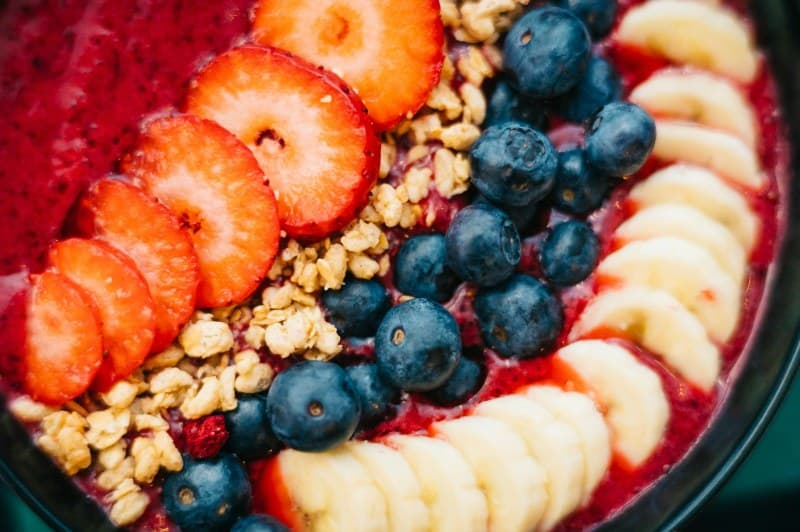
| Melatonin-Rich Foods | Directly increases melatonin levels | 1-2 hours before bed | Cherries (tart), bananas, walnuts |
| Spicy/Sugary Foods | May cause indigestion or blood sugar spikes, disrupting sleep | Avoid 3+ hours before bed | Hot peppers, chocolate, fried foods |
Common Myths About Food and Sleep
Let’s bust two persistent myths:
- Myth: Alcohol helps you sleep better.
Fact: While alcohol may make you drowsy, it disrupts deep sleep (REM cycle) later in the night. You might wake up frequently or feel groggy in the morning. - Myth: Dairy products always improve sleep.
Fact: Dairy contains tryptophan, but some people are lactose intolerant, which can cause indigestion and disrupt sleep. Opt for lactose-free options if needed.
Practical Tips for Sleep-Friendly Eating
Here are simple changes you can make:
- Limit caffeine after 2 PM (it stays in your system for 6-8 hours).
- Choose a light snack before bed (e.g., a banana with almond butter or a small bowl of oatmeal).
- Avoid large meals 3 hours before bed to prevent indigestion.
- Drink warm herbal tea (like chamomile or lavender) instead of sugary drinks.
A Relatable Story
Sarah, a 32-year-old teacher, used to eat a big bowl of ice cream every night before bed. She thought it helped her relax, but she often woke up at 3 AM and couldn’t fall back asleep. After reading about nutrition and sleep, she swapped her ice cream for a small bowl of Greek yogurt with cherries. Within a week, she noticed she fell asleep faster and stayed asleep longer. “I didn’t realize how much sugar was messing with my sleep,” she said. “The yogurt and cherries are just as satisfying, and I feel way more rested.”
Classic Wisdom on Food and Health
“Let food be thy medicine and medicine be thy food.” — Hippocrates
This ancient quote reminds us that what we eat directly affects our health—including our ability to sleep well. Choosing the right foods isn’t just about weight or energy; it’s about nurturing our bodies to function optimally, even while we rest.
FAQ: Can I Eat Before Bed?
Q: Is it okay to eat a snack before bed, or should I go to sleep on an empty stomach?
A: It’s okay to eat a small snack before bed if you’re hungry. Going to bed hungry can also disrupt sleep. The key is to choose snacks that are light and sleep-friendly (like those from the complex carbs or melatonin-rich groups). Avoid heavy, spicy, or sugary snacks that can cause indigestion or blood sugar spikes.
By making small adjustments to your diet, you can improve your sleep quality and wake up feeling more refreshed. Remember, everyone’s body is different—so experiment to find what works best for you!