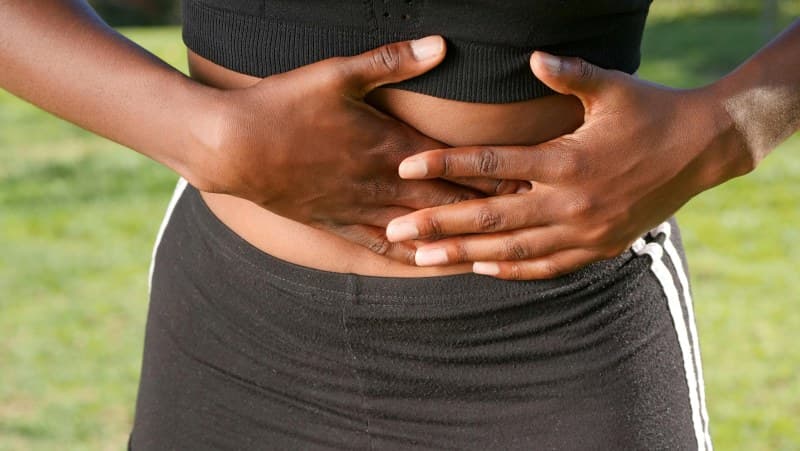
Let’s start with Sarah’s story: A 32-year-old teacher, she was tired all the time, had frequent bloating, and struggled to focus in class. She tried cutting out coffee, sleeping more, and even taking vitamins—nothing stuck. Then a friend suggested adding fermented foods to her diet. Within a month, her bloating faded, energy returned, and she felt like her old self again. What changed? Her gut bacteria.
What Are Gut Bacteria, Anyway?
Trillions of tiny organisms—bacteria, fungi, and other microbes—live in your digestive tract, mostly in the large intestine. This community is called your microbiome. Think of it as a busy city: some residents are helpful (they break down food, fight germs), others are harmful (they cause inflammation if they take over). Balance is everything.
5 Key Roles Gut Bacteria Play in Wellness
Your microbiome does more than just digest food. Here’s how it supports your overall health:
| Role | Benefit to You | Daily Example to Support |
|---|---|---|
| Digestion Helper | Breaks down fiber and nutrients your body can’t process alone (like complex carbs in beans). | Eat a bowl of oatmeal with chia seeds (high in soluble fiber). |
| Immune Trainer | Teaches your immune system to tell good germs from bad, reducing the risk of infections. | Add a scoop of sauerkraut to your lunch (fermented food with live bacteria). |
| Mood Regulator | Produces 90% of your body’s serotonin (the “happy hormone”)—directly affecting your mood and stress levels. | Snack on a banana (prebiotic that feeds good bacteria). |
| Nutrient Maker | Creates vitamins B (for energy) and K (for blood clotting) that your body can’t make on its own. | Include leafy greens like spinach in your dinner. |
| Weight Manager | Helps regulate metabolism and reduce cravings for sugary, processed foods. | Avoid excessive soda or candy (they feed harmful bacteria). |
Common Myths About Gut Bacteria Debunked
Let’s clear up some confusion:
- Myth 1: More probiotics = better gut health. Not true! Too many probiotics (like taking multiple supplements daily) can cause bloating or diarrhea. Balance is key.
- Myth 2: All bacteria are bad. Most gut bacteria are beneficial. You need them to digest food and stay healthy. The problem is when harmful bacteria outnumber the good.
Simple Ways to Nurture Your Gut
You don’t need fancy supplements to keep your microbiome happy. Try these easy steps:
- Eat fiber-rich foods: Veggies (broccoli, carrots), fruits (apples, berries), whole grains (quinoa, brown rice) feed good bacteria.
- Add fermented foods: Yogurt with live cultures, kefir, kimchi, or miso a few times a week.
- Cut back on processed foods: Sugary snacks and fast food feed harmful bacteria and disrupt balance.
- Stay hydrated: Water helps fiber move through your gut, keeping bacteria healthy.
FAQ: Do I Need Probiotic Supplements?
Q: Is it necessary to take probiotic pills to support my gut?
A: Not for everyone. If you eat a balanced diet with fermented foods and fiber, your gut likely stays healthy. Supplements can help if you’ve taken antibiotics (which kill good bacteria) or have persistent gut issues, but always talk to a healthcare provider first.
“All disease begins in the gut.” — Hippocrates
This 2,000-year-old quote from the father of medicine aligns with modern research. While Hippocrates didn’t know about bacteria, he understood that gut health is linked to overall wellness. Taking care of your microbiome is one of the simplest ways to support your body’s natural ability to stay healthy.